






Seboroisk eksem: 5 naturlige måder at behandle det på
Natural remedies for seborrheic dermatitis, including tea tree oil, gentle scalp care and lifestyle habits that help calm flare ups at home.
In this guide
The best natural treatment for seborrheic dermatitis is a mix of gentle daily habits and diluted tea tree oil on the scalp, face or body. Tea tree oil is the most popular essential oil for seborrheic dermatitis, as it helps calm itching, redness and flakes. Below are 5 natural ways to manage flare-ups at home, plus a simple DIY tea tree shampoo.
Key takeaways
- Seborrheic dermatitis is a long-term skin condition with no known cure, but flare-ups can be managed.
- Tea tree oil helps reduce inflammation and itching, and it fights the microbes that live on the skin.
- Add 1 to 3 drops of tea tree to your shampoo or moisturiser each time you use it, or 20 to 25 drops to a full bottle of shampoo.
- More sleep, gentle exercise, antioxidant foods and plenty of water all support calmer skin.
- Always dilute tea tree oil, and see a doctor if your symptoms are severe.
What is seborrheic dermatitis?
Seborrheic dermatitis is a chronic skin condition that affects adults and children of all ages. It is as common as acne and can feel embarrassing, yet there is no known cure. That is why so many people look for natural remedies to manage flare-ups gently.
It is thought of as a chronic form of eczema, which is why it is sometimes called seborrhoeic eczema. It appears where the skin has lots of oil-producing (sebaceous) glands, such as the upper back, the nose and especially the scalp. On the scalp, it is often called dandruff.
Seborrheic dermatitis shows up as scaly red patches, flaky skin and extra greasiness, and it often itches. Symptoms range from very mild to more severe, so many people choose home remedies for daily support.
What causes seborrheic dermatitis?
The exact cause is unknown, but genes and hormones are thought to play a part. An imbalance of the tiny microorganisms and yeast that live naturally on the skin may also contribute.
Other skin conditions, such as rosacea and psoriasis, can make symptoms more likely. Lifestyle factors such as depression, alcoholism and a poor diet have also been linked to seborrheic dermatitis.
How do you treat seborrheic dermatitis naturally?
Because the condition is chronic, symptoms can clear with treatment but may come back. Usual treatments range from costly dandruff shampoos to creams that often contain zinc, sulphur or cortisone. Sometimes no treatment is needed, and a flare-up clears up on its own.
There are no guarantees with any treatment, but a holistic approach is an option too. Many people use essential oils and simple lifestyle changes as a gentle, plant-based way to support their skin.
5 natural remedies for seborrheic dermatitis
1. Get more sleep
Sleep is one of the most underrated ways to improve your health. It is the time your body rests, restores and, most importantly, repairs itself.
Without enough sleep, the body's natural healing slows down. This lowers the immune system and can lead to imbalances that may show up as conditions like seborrheic dermatitis. Aim for 7 to 9 hours a night.
2. Add gentle exercise
Exercise can ease symptoms of seborrheic dermatitis by lowering stress, boosting circulation, lifting low mood, helping you sleep better and keeping your weight healthy. The intensity matters, though. Movement helps, but too much sweating does not.
Brisk walks in nature, light yoga and other gentle exercise are the best choices. If you love to break a sweat, the sweat itself is less of a problem than the salty residue it leaves when it dries. Have a cool shower straight after your workout to wash it off and cool your body down.

3. Eat your antioxidants
Foods rich in antioxidants may lower the chance of developing seborrheic dermatitis and help reduce symptoms. Low-sugar fruits, such as berries, are a great choice.
Anti-inflammatory foods help too. Add ginger, leafy greens, flaxseed and avocado to your meals to nourish your skin from the inside out.
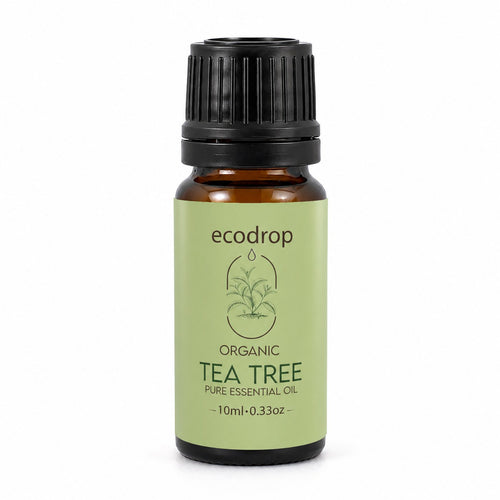
4. Use organic tea tree essential oil
Tea tree oil is one of the most popular natural treatments for seborrheic dermatitis, and it has been shown to reduce symptoms in several ways. Applied to the skin, it reduces inflammation, relieves itching, fights microbes and may help heal the small wounds left by scratching.
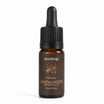
Tea tree oil is an active ingredient in many anti-dandruff and eczema products, but these are often mixed with unwanted chemicals. We recommend adding 1 to 3 drops of our Organic Tea Tree oil to your eco-friendly moisturising cream or shampoo each time you use it. Or you can make your own wash with the recipe below.
5. Stay hydrated
Drinking enough water hydrates your skin from the inside out and helps flush unwanted toxins from your body. Aim for at least 2 litres a day, and more during a flare-up.
Hydration is also about cutting back on things that dry you out. Too much caffeine and alcohol can dehydrate you and upset your skin, so if you love coffee, try to keep it to one cup a day.

DIY tea tree shampoo for seborrheic dermatitis
This simple recipe works as a shampoo for the scalp or as a body wash for the back and chest.
1. DIY Seborrheic Dermatitis Treatment
Best for: flaky, itchy scalp and greasy patches on the body
- 1 cup Liquid Castile soap
- 1/2 cup Distilled water
- 1 tsp Avocado oil (a full teaspoon)
- 25 drops Tea tree oil
Pour everything into an empty shampoo bottle or any bottle with a lid and shake well. Shake again before each use, then use it as a shampoo or body wash. For a quicker option, add 20 to 25 drops of tea tree oil to a full bottle of your usual shampoo.
How to use tea tree oil for seborrheic dermatitis on the scalp and face
Tea tree oil is strong, so it always needs to be mixed into something first. Here is how much to use on each part of the body.
| Where | How to use it | How much |
|---|---|---|
| Scalp | Mix into your shampoo, or use the DIY shampoo above | 1 to 3 drops per wash, or 20 to 25 drops per bottle |
| Face | Mix into a light, eco-friendly moisturiser | 1 to 3 drops per use |
| Body, back and chest | Use the DIY recipe as a body wash | 25 drops in the full recipe |
On the face, keep the mix well away from your eyes and use a light product. Rinse off any wash fully and pat your skin dry.
Pro tip
Massage the tea tree shampoo gently into your scalp and leave it for a minute or two before rinsing. This gives it time to work on the itchy, flaky patches.
Which oils should you avoid with seborrheic dermatitis?
Thick, heavy oils can clog pores and trap heat on the skin, which may make greasy patches worse. Lighter oils, such as the small amount of avocado oil in the recipe above, are usually a better choice for sensitive skin.
Never use undiluted essential oils on irritated skin, as this can make redness and itching worse.
Is tea tree oil safe for seborrheic dermatitis?
Safety first
Always dilute tea tree oil in shampoo, cream or a carrier oil. Patch test first: apply a little of your mix to the inside of your arm and wait 24 hours to check for any reaction.
- Keep essential oils out of reach of children, and ask your doctor before using them on a young child.
- If you are pregnant or breastfeeding, check with your GP or midwife first.
- Keep oils away from pets, especially cats, and never put tea tree oil on an animal.
- Keep the mix away from your eyes, and stop using it if your skin stings.
- If your symptoms are severe or do not improve, see a medical professional.
FAQs
Is tea tree oil good for seborrheic dermatitis?
Yes. Tea tree oil is one of the most widely used natural remedies for seborrheic dermatitis. It helps reduce inflammation, relieve itching and fight microbes when it is diluted in shampoo or a gentle moisturiser.
What oils are good for seborrheic dermatitis on the scalp?
Tea tree oil is the top choice for the scalp, as it may help calm itching and reduce flakes. Mix a few drops into your shampoo, or use the DIY tea tree shampoo in this guide.
How do I use tea tree oil for seborrheic dermatitis on my face?
Add 1 to 3 drops of tea tree oil to a light, eco-friendly moisturiser each time you use it. Keep it away from your eyes, and choose light products that will not irritate your skin.
Which oils should I avoid with seborrheic dermatitis?
Avoid thick, heavy oils that can clog pores and trap heat. Lighter oils are usually better for sensitive skin and may help reduce flare-ups.
How can I treat seborrheic dermatitis naturally?
A natural routine can include more sleep, gentle exercise, antioxidant foods, plenty of water and diluted tea tree oil. These simple steps support calmer skin over time.
Is there a natural cure for seborrheic dermatitis?
There is no known cure, natural or medical, as it is a chronic condition. Natural remedies and healthy habits can help keep flare-ups calmer and less frequent.
Does tea tree oil help scalp eczema?
Seborrheic dermatitis is a form of eczema that often affects the scalp, and diluted tea tree oil in shampoo is a popular way to soothe it. For other types of eczema, ask your doctor first.
Is seborrheic keratosis the same as seborrheic dermatitis?
No. Seborrheic keratosis is a different skin condition that causes raised growths, not a flaky rash. This guide is about seborrheic dermatitis, so ask your GP about any new growths on your skin.
The bottom line
Seborrheic dermatitis has no known cure, but natural remedies can help calm irritation and support your skin over time. Diluted tea tree oil, good sleep, gentle exercise, antioxidant foods and plenty of water make a simple, soothing routine. For more ideas, read our guide to tea tree oil for nail fungus, try a frankincense and myrrh face cream, or add essential oils to your body wash. Find tea tree and more in our essential oils collection.