






Die 3 besten ätherischen Öle für die Haut und ihre Anwendung
The best essential oils for skin and face, how to dilute them safely, and which oils suit ageing, dry or dull skin. Simple recipes included.
In this guide
The best essential oils for skin are lavender, frankincense and tea tree. Lavender soothes dry, itchy skin, frankincense helps with ageing and uneven tone, and tea tree helps clear blemishes. Yes, you can use essential oils on your skin, but only when they are diluted in a carrier oil first.
Key takeaways
- Our top 3 are lavender, frankincense and tea tree.
- Never put essential oils neat on your skin. They are strong enough to irritate or even burn it.
- Use 1 to 2 drops per teaspoon (5ml) of carrier oil for the body, and just 1 drop for the face or sensitive skin.
- Jojoba, rosehip and coconut oil are popular carriers for skin care.
- Always patch test first, and keep oils away from your eyes.
What are essential oils, and are they good for skin?
Essential oils are oils extracted from plants. They get the name "essential" because they hold the essence, or aroma, of the plant they come from.
They smell lovely, but they are not just perfume. Many essential oils have therapeutic properties, and people have used them to look after their skin and health for thousands of years. Used the right way, they are skin-healing, life-enhancing plant extracts.
The catch is that most people do not know how to use them properly. Below you will find the three best essential oils for skin, what each one does, and exactly how to dilute and apply them.
What are the best essential oils for skin?
These three oils are the staples everyone should have at home. Together they cover dry skin, ageing skin, blemishes and everyday first aid.
| Oil | Best for | Key properties |
|---|---|---|
| Lavender | Dry, itchy skin and first aid | Calming, anti-inflammatory, antiseptic, antimicrobial |
| Frankincense | Ageing skin and uneven tone | Anti-inflammatory, moisturising, antioxidant |
| Tea tree | Acne, blemishes, minor cuts and burns | Antibacterial, keeps wounds clean |
1. Lavender essential oil
Famous for its calming properties, lavender essential oil is perfect for dry and itchy skin, and it is a first-aid kit essential. Why? Because it has anti-inflammatory, antiseptic and antimicrobial properties.
Lavender is one of the gentlest essential oils you can use on skin regularly when properly diluted. It is also a lovely choice for the face, mixed into a few drops of jojoba at night.
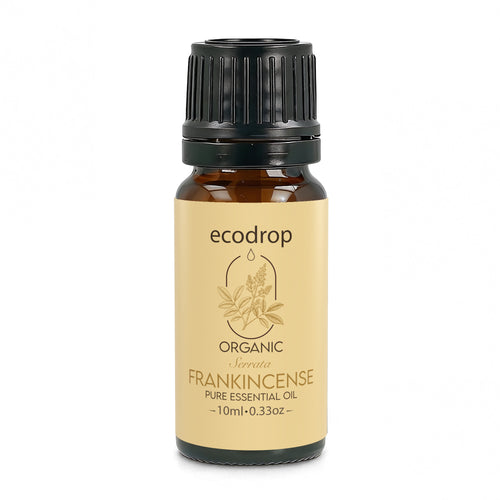
2. Frankincense essential oil for skin
Frankincense is an all-round skin healer with anti-inflammatory and moisturising properties, which makes it great for evening out skin tone. If you are looking for one of the best essential oils for skin ageing, this is a top choice.
Its antioxidants help protect the skin against cellular damage, and frankincense essential oil does a fantastic job of promoting skin regeneration. Learn more in our guide to frankincense for skin care and a natural glow.
3. Tea tree essential oil
Tea tree essential oil is so potent that it has been shown to treat mild to moderate acne by killing the bacteria that lead to breakouts. Its antibacterial properties also make it a great solution for minor cuts and burns, as it keeps the wound clean and helps the skin regenerate quickly.
Alongside lavender and frankincense, tea tree is one of the staples that everyone should have at home.
Pro tip
For a minor burn, cool the skin under cool running water for several minutes first. Only then apply a well-diluted drop of lavender or tea tree in a carrier oil. See a doctor for any burn that blisters badly or is larger than your palm.
Which essential oils are best for dry skin and the face?
For dry skin, lavender soothes itchiness and frankincense helps moisturise. Gentle oils such as German chamomile and rose geranium are also popular in face blends. The carrier oil matters just as much, so pick a nourishing one like rosehip or jojoba.
Facial skin is thinner than body skin, so use a lower dilution on your face. One drop of essential oil in a teaspoon of carrier oil is plenty. Want a ready-made recipe? Try our DIY facial serum for your skin's needs.
Are there essential oils that are safe for sensitive skin?
If your skin is sensitive, choose the gentlest oils, use the lowest dilution and always patch test. Lavender and German chamomile are the usual first picks. Tea tree is better kept for spot use on blemishes rather than all over sensitive skin.
Some people with very reactive skin prefer to avoid essential oils in their skincare altogether, and that is fine too. If any oil causes redness, stinging or itching, wash it off with plain carrier oil, then soap and water, and stop using it.
Can you use essential oils on your skin, and how?
Yes, but never apply an essential oil directly to your skin. Essential oils are extremely potent, and they can irritate or burn the skin if used incorrectly. To be safe, follow these steps.
- Dilute the essential oil in a carrier oil (see the table below).
- Test the mixture on a small patch of skin, such as the inner arm, and wait 24 hours before using it on a larger area.
- Massage it gently into the skin. Be careful around your eyes.
How do you dilute essential oils for skin?
Popular carrier oils for skin are coconut oil, jojoba oil and rosehip oil. To dilute, add your essential oil drops to the carrier oil and mix well. For more help choosing, read how to choose your carrier oil.
| Use | Strength | Drops per teaspoon (5ml) of carrier oil |
|---|---|---|
| Face and sensitive skin | About 1 percent | 1 drop |
| Body and everyday use | About 1 to 2 percent | 1 to 2 drops |
| A single blemish (tea tree) | Spot use only | 1 drop in a few drops of carrier |
Safety first
Older advice often said 3 to 5 drops per teaspoon. That is a strong 3 to 5 percent blend, which is too much for regular skin use. We now recommend 1 to 2 drops per teaspoon, which is gentle and still effective.
Essential oil safety for skin
- Never use oils neat, and always patch test a new blend.
- Keep oils away from the eyes, inside the nose and broken skin.
- Use half the normal strength for children over two, and ask a professional first for babies and toddlers.
- If you are pregnant or breastfeeding, check with your GP or midwife before using oils.
- Keep oils out of reach of children and pets. Do not use them on pets.
- Store oils in a cool, dark place with the lid tightly closed.
FAQs
Which essential oil is good for skin?
Lavender, frankincense and tea tree are among the best essential oils for skin ageing, dryness and blemishes. They offer anti-inflammatory, antibacterial and antioxidant benefits, and help keep skin healthy and glowing when diluted properly.
Can essential oils be applied directly to skin?
No. Essential oils are highly concentrated and can cause irritation or burns. Always dilute them with a carrier oil like jojoba or coconut first. This keeps them safe while still giving you the skin benefits.
Is 100% pure essential oil safe for skin?
Pure essential oils are safe when used correctly, but putting them neat on the skin can be harmful. Always dilute them with a carrier oil and do a patch test first. Even the gentlest oils need proper blending.
How do I mix essential oils for skin?
Combine 1 to 2 drops of essential oil with 1 teaspoon (5ml) of carrier oil such as coconut, jojoba or rosehip, and massage gently onto the skin. You can mix different oils to create your own blend for ageing, dryness or blemishes.
What is the best essential oil for the face?
Lavender and frankincense are lovely for most faces. Lavender calms dry or itchy skin, and frankincense helps with fine lines and uneven tone. Use just 1 drop per teaspoon of a light carrier like jojoba.
What are the best essential oils for ageing skin?
Frankincense is the top choice thanks to its antioxidant and regenerating properties. Pair it with lavender and a rich carrier like rosehip oil for a nourishing night blend.
Which essential oil helps with burns?
Lavender and tea tree are traditionally used for minor burns, as they help keep the skin clean and support healing. Cool the burn under running water first, and seek medical help for serious burns.
Are aromatherapy oils the same as essential oils?
Not always. Some "aromatherapy oils" are already diluted in a carrier, while pure essential oils are concentrated and must be diluted before use. Check the label so you know which one you have.
The bottom line
Lavender, frankincense and tea tree are the three essential oils every skin care routine needs. Dilute them properly, patch test first and use them consistently, and they can help keep your skin nourished, healthy and glowing. Always choose organic, high-quality oils from our essential oils collection, browse our natural skincare, or read which essential oils suit your skin type.
For a simple daily step after cleansing, try our Rose Youth Elixir Serum, a light peptide serum with hyaluronic acid.
This information is not meant to treat or diagnose any medical condition, and it does not replace professional medical advice. Always consult a healthcare practitioner for treatment. Take care if you are diabetic, epileptic, pregnant, breastfeeding or have a serious health condition.

Weiterlesen


