


4 DIY Essential Oil Face Serums for Every Skin Type
4 DIY essential oil face serum recipes for anti ageing, oily, dry and sensitive skin, with the right carrier oils and drop counts.
In this guide
A DIY essential oil face serum is simply a few nourishing carrier oils, a little vitamin E and a few drops of essential oil, mixed in a 30ml dropper bottle. Below are 4 easy homemade face serum recipes: an anti-scarring serum, a DIY anti-ageing serum for mature skin, a calming serum for sensitive skin and a balancing serum for combination skin. Each one takes five minutes to make and suits daily use.
Key takeaways
- Every recipe makes about 30ml, with 4 to 6 drops of essential oil in total, which keeps it gentle enough for the face.
- For anti-ageing, use rosehip seed oil with rose, frankincense and ylang ylang.
- For scars, choose rosemary, lavender and frankincense, which promote blood flow and skin-cell renewal.
- For oily or combination skin, pick light carrier oils such as jojoba, evening primrose, rosehip and grapeseed.
- Less is more. Two drops of serum, massaged in once or twice a day, is enough.
Why make a homemade face serum?
Making your own face serum is an empowering way to take your skincare into your own hands. The recipes are simple, and you can tailor each one to what your skin really needs.
Whether your skin is oily, dry, sensitive or ageing, a DIY face oil serum gives natural nourishment without harsh chemicals. All you need is to understand your skin type and choose the right oils.

Face serum vs essential oil: what is the difference?
An essential oil is very concentrated and should never go on your face neat. A face oil serum is mostly carrier oils, such as jojoba or rosehip, with just a few drops of essential oil mixed in.
The carrier oils feed and protect the skin, while the essential oils add their soothing, regenerating and balancing actions. That is why every recipe below is about 30ml of carrier oil with only 4 to 6 drops of essential oil.
Which oils suit your skin type?
| Skin type | Carrier oils | Essential oils |
|---|---|---|
| Acne scars | Evening primrose, jojoba, grapeseed | Rosemary, lavender, frankincense |
| Mature and ageing | Rosehip seed, jojoba, sweet almond | Rose, frankincense, ylang ylang |
| Sensitive | Jojoba, hemp seed | Chamomile, sandalwood |
| Combination | Jojoba, evening primrose, rosehip | Frankincense, lavender, geranium |
| Oily | Jojoba, grapeseed, apricot kernel | Lavender, geranium |
Find every oil above in our essential oils collection.
4 DIY essential oil face serum recipes
Mix each recipe in a clean, sterilised 30ml dark glass dropper bottle. Label it and store it in a cool, dry place.
1. Facial Serum for Scar Treatment
Best for: acne scars and acne-prone skin
- 10ml Evening primrose oil
- 10ml Jojoba oil
- 8ml Grapeseed oil
- 2ml Vitamin E
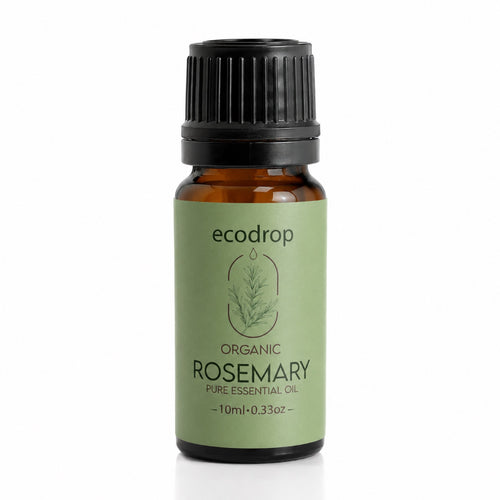
- 2 drops Rosemary oil
- 2 drops Lavender oil
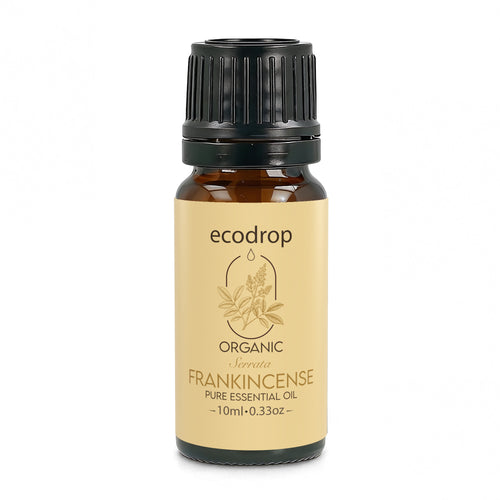
- 2 drops Frankincense oil
Massage 2 drops onto your face, stretching and smoothing the skin from the inner to the outer face. Repeat until the oils have soaked in.
2. Natural Face Serum for Mature and Ageing Skin
Best for: wrinkles, fine lines and dull skin
- 5ml Sweet almond oil
- 15ml Jojoba oil
- 8ml Rosehip seed oil
- 2ml Vitamin E
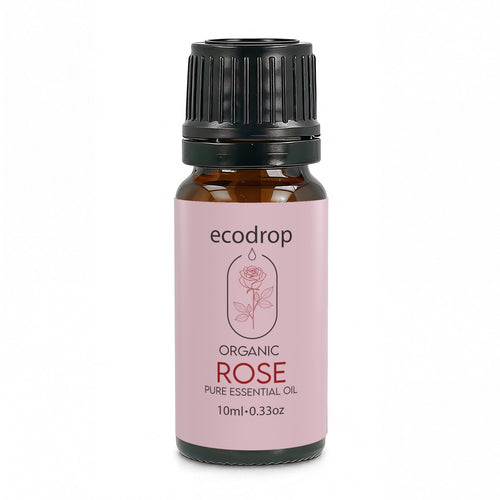
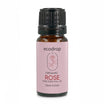
- 2 drops Rose oil
- 2 drops Frankincense oil
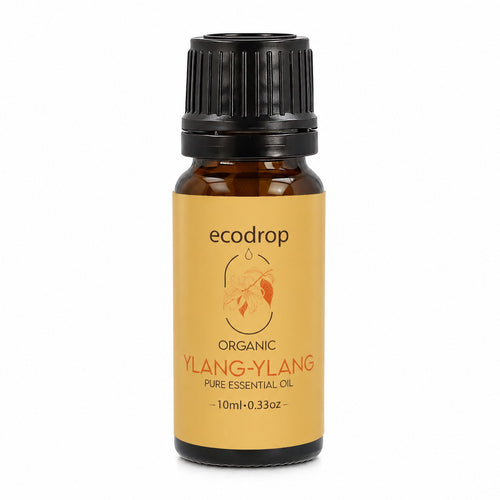
- 2 drops Ylang ylang oil
This soothing, regenerating, anti-ageing serum can be used once or twice a day. Massage it in gentle strokes from the inner to the outer face, and top it with sunscreen in the daytime.
3. Facial Serum for Sensitive Skin
Best for: redness, irritation and dry, inflamed skin
- 15ml Jojoba oil
- 13ml Hemp seed oil
- 2ml Vitamin E
- 2 drops Chamomile oil
- 2 drops Sandalwood oil
This serum is soothing and nourishing for dry, inflamed and irritated skin. Keep your routine simple and try not to over-wash, so your skin can rebuild its natural protective layer.
4. Facial Serum for Combination Skin
Best for: an oily T-zone with dry cheeks
- 15ml Jojoba oil
- 10ml Evening primrose oil
- 5ml Rosehip oil
- 2ml Vitamin E
- 2 drops Frankincense oil
- 2 drops Lavender oil
- 2 drops Geranium oil
Lavender, geranium and frankincense are anti-inflammatory and great for all skin types. The light carrier oils sink in easily, helping to balance the skin's natural oil whether it is oily or dry.
Face serum for acne scars
Acne scars are some of the hardest marks to shift. It is easy to get carried away and buy one expensive product after another, from retinol serums to thick foundations, just to cover what is on the surface. Too much of this can make things worse.
Scar healing is a long process, and sometimes the best thing we can do is step back and let the skin do its job. Look for stimulating essential oils that promote local blood flow and skin-cell regeneration, such as rosemary, lavender and frankincense.
Dry, fast-absorbing carrier oils suit this skin best. They protect the surface while reaching the deeper layers, helping with acne prevention and skin renewal.
DIY essential oil face serum for anti-ageing
Ageing or sun-damaged skin often shows wrinkles, dryness and fine lines. Our DIY anti-ageing serum blends nourishing carrier oils with antioxidant-rich rosehip and vitamin E to reduce the signs of ageing.
Essential oils such as rose, frankincense and ylang ylang help restore elasticity, brighten dull skin and fight free-radical damage. This makes it one of the best homemade anti-ageing serums for daily use.

Natural face serum for sensitive skin
Sensitive skin is prone to redness, irritation and stinging, and harsh products often make it worse. Here, minimalism is key.
Avoid products with alcohol, synthetic fragrance and harsh ingredients. Some essential oils can trigger sensitivity, but many are gentle. Lavender, chamomile, jasmine, frankincense, geranium and sandalwood are among the most popular for sensitive skin, because they are anti-inflammatory, soothing and balancing.
Homemade face serum for oily and combination skin
Combination skin can be tricky: oily in the T-zone but dry on the cheeks. Light oils such as jojoba, evening primrose and rosehip help balance sebum while preventing clogged pores.
Avoid thick oils that may clog the skin. Choose light carrier oils that sink in easily, such as jojoba, rosehip, evening primrose, apricot kernel and grapeseed. Frankincense, lavender and geranium give anti-inflammatory support to both the oily and the dry areas.
Pro tip
When it comes to skincare, less is always more. Using five or more products at once makes it hard to know what is working. Keep a few simple products, use them consistently, and listen to how your skin responds.
How to use your serum safely
Safety first
Always patch test a new serum on your inner arm 24 hours before using it on your face. Never put essential oils on your skin undiluted, and keep them away from your eyes.
- If you use a serum in the daytime, top it with sunscreen. Avoid strong sun on skin where you have just used essential oils.
- If you are pregnant or breastfeeding, check with your GP or midwife before using essential oils.
- Stop using a serum if it stings, itches or makes your skin red.
- Use your serum within about 3 to 6 months, and throw it away if it smells off.
FAQs
What is a facial serum?
A facial serum is a concentrated skincare product made with active ingredients such as vitamins, antioxidants and essential oils. A DIY face oil serum soaks in deeply to target concerns such as acne, wrinkles or dryness, with natural nourishment and hydration.
How do you make a homemade facial serum?
Mix a carrier oil, such as jojoba or rosehip, with a few drops of essential oil chosen for your skin type. For anti-ageing, try frankincense and rose. For oily skin, lavender and geranium work well. Store it in a dark glass bottle.
What is the best DIY essential oil face serum for anti-ageing?
Our favourite is 5ml sweet almond oil, 15ml jojoba, 8ml rosehip seed oil and 2ml vitamin E, with 2 drops each of rose, frankincense and ylang ylang. Use it once or twice a day, with sunscreen in the daytime.
Can I use a homemade face serum every day?
Yes. All four recipes are gentle enough for daily use. Two drops, once or twice a day, is plenty, and consistency matters more than using a lot at once.
What is the best homemade face serum for oily skin?
Choose light carrier oils such as jojoba, grapeseed or evening primrose, with lavender and geranium essential oils. The Combination Skin serum above works well for oily skin too.
Is a face serum the same as an essential oil?
No. Essential oils are too strong to use alone on the face. A face serum is mostly carrier oil, with only a few drops of essential oil for their benefits.
What are the benefits of a facial serum?
Facial serums hydrate, protect and repair the skin. A homemade face serum can help reduce scars, fight wrinkles, soothe sensitive skin and balance oily zones, thanks to oils rich in antioxidants, vitamins and fatty acids.
The bottom line
A DIY face oil serum is simple, tailored to your skin type and free from harsh chemicals. Pick the recipe that matches your skin, keep your routine minimal and consistent, and your skin will feel nourished, balanced and naturally radiant. Try our frankincense and myrrh face cream and DIY chamomile face wash next, or browse our natural skincare and essential oils collection.