







So bereiten Sie ein Bad zur Förderung der Lymphdrainage mit Epsom-Salz zu
An easy lymphatic drainage bath soak recipe with Epsom salt and essential oils, plus how long to soak and how often to take a lymphatic bath.
In this guide
A lymphatic drainage bath soak is a warm bath with Epsom salt and a few essential oils, such as grapefruit, lemon, juniper berry or rosemary. It is not a medical treatment, but it is a simple way to rest, relax and support your body when it feels slow and heavy. Below is an easy lymphatic bath recipe, how long to soak and how often to take one.
Key takeaways
- The basic soak is 1 to 2 cups of Epsom salt and 5 to 8 drops of essential oil in a warm bath.
- Always mix the essential oils with a carrier oil first, so they spread evenly in the water.
- Soak for 15 to 20 minutes, once or twice a week.
- Use warm, not hot, water and drink plenty of water before and after.
- The soak works best alongside simple habits: movement, water and good rest.
What is a lymphatic drainage soak?
Sometimes your body just feels slow. Not ill, not clearly tired, just heavy and a bit off. This is often when people look for simple routines to help them reset, and a warm bath is one of the easiest to try at home.
Your lymphatic system helps move fluid around the body. A lymphatic drainage soak is simply a warm bath with ingredients that help you relax and unwind. It is not about forcing anything to happen. It is about giving your body the right conditions to rest, and many people notice a real difference in how they feel afterwards.
Does Epsom salt help with lymphatic drainage?
Epsom salt is magnesium sulphate. It dissolves easily and feels soothing on the body, and many people link magnesium with relaxed, comfortable muscles.
That is why it appears in almost every lymphatic drainage bath soak recipe. Its direct effect on the lymphatic system is not clearly proven, but an Epsom salt bath helps you relax, and that can help your body feel less heavy and tense. It is also cheap, easy to find and needs no special preparation.
What essential oils are good for lymphatic drainage?
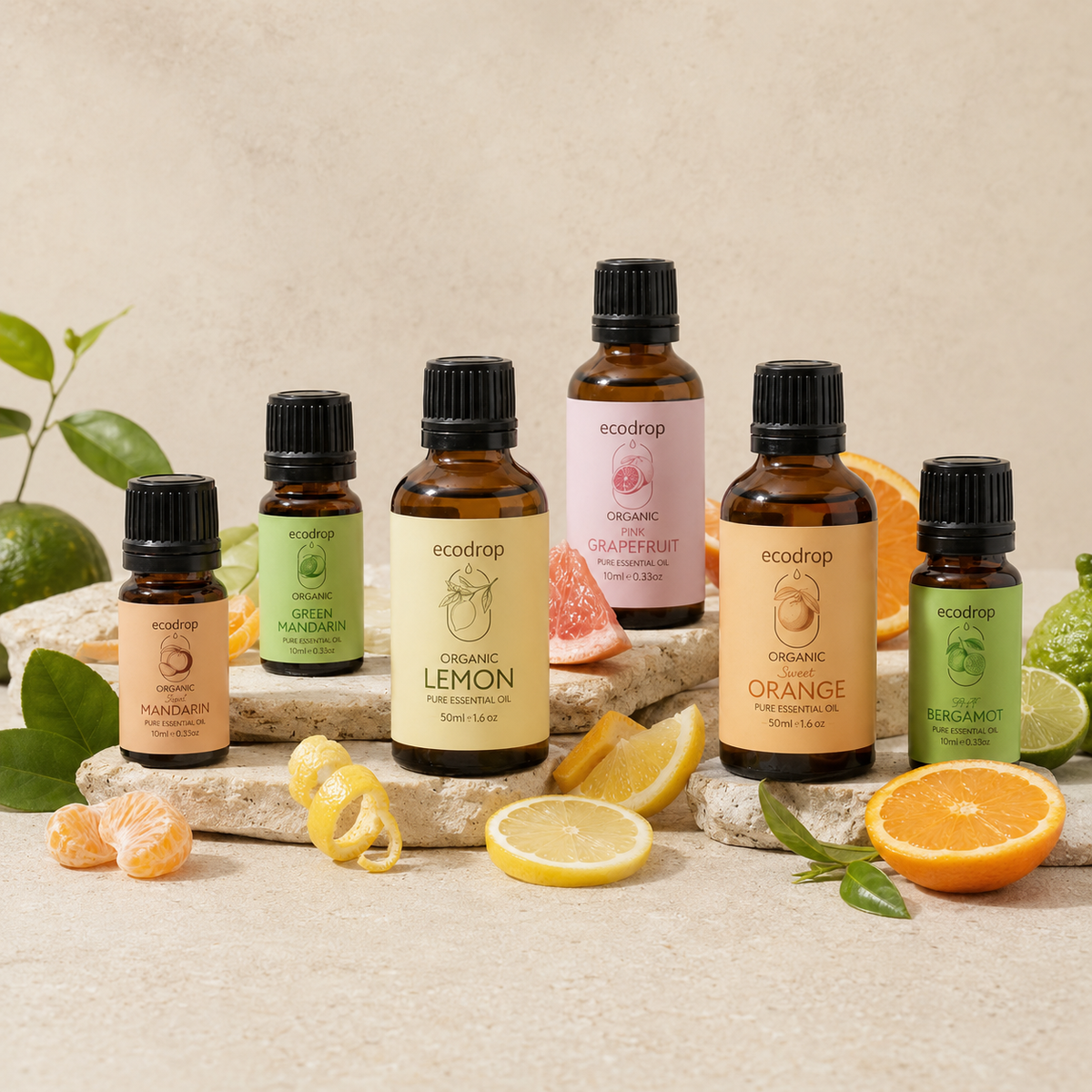
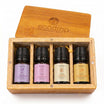
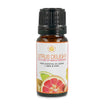
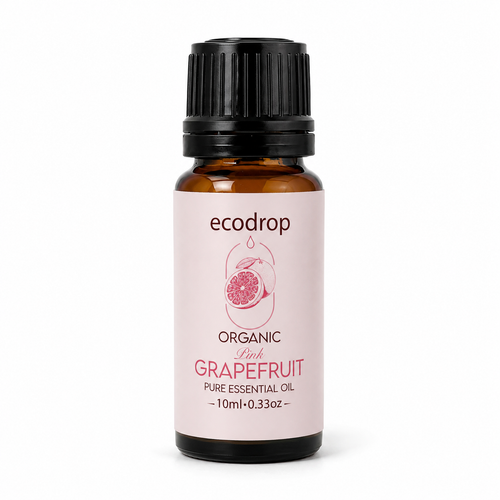
Essential oils are optional, but they make the bath feel more refreshing or more calming, depending on what you choose. These are the four most commonly used lymphatic drainage essential oils.
| Oil | Scent | How it feels |
|---|---|---|
| Grapefruit | Tangy, juicy citrus | Light and fresh |
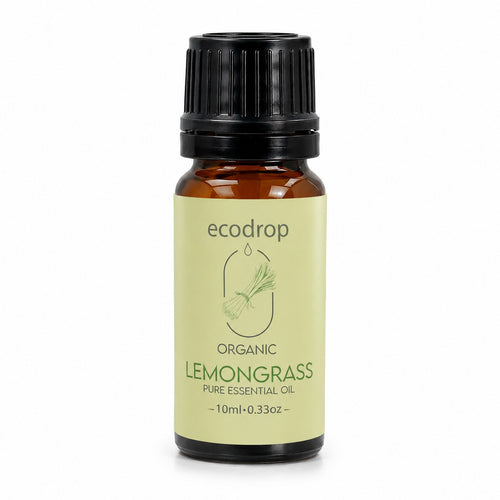
| Lemon | Sharp, clean citrus | Clean and bright |
| Juniper berry | Crisp, woody and piney | A slightly deeper note |
| Rosemary | Fresh, green herb | A more herbal, awake touch |
The best essential oil for lymphatic drainage often comes down to what feels right for you. There is no single answer, just preference. You can browse them all in our essential oils collection.
Lymphatic drainage bath soak recipe
You do not need anything complicated. Start with the basic soak, then try one of the two scent variations once you know what you like.
1. Basic Lymphatic Soak
Best for: beginners and a calm, restful bath
- 1 to 2 cups Epsom salt
- 5 to 8 drops Essential oil of your choice
- 1 tbsp Carrier oil, such as sweet almond
- 1 bath Warm water
Mix the essential oil into the carrier oil before it goes in the bath. This helps it spread evenly in the water instead of floating on top.
2. Fresh Citrus Soak
Best for: a light, bright and refreshing feel
- 1 to 2 cups Epsom salt
- 4 drops Grapefruit oil
- 3 drops Lemon oil
- 1 tbsp Carrier oil
The same basic soak with a clean citrus scent. A good choice in the morning or when you want to feel more awake.
3. Herbal Woods Soak
Best for: a deeper, grounding evening bath
- 1 to 2 cups Epsom salt
- 4 drops Juniper berry oil
- 3 drops Rosemary oil
- 1 tbsp Carrier oil
Juniper berry and rosemary give a fresh, green scent with more depth. It suits a slow, quiet soak at the end of the day.
Pro tip
Never drop essential oils straight into the bath. Oil and water do not mix, so neat drops can sit on your skin. Always blend them with a carrier oil first.
How to take a lymphatic bath
Keep the process simple and relaxed.
- Fill your bath with warm, not hot, water.
- Add the Epsom salt and let it dissolve.
- Add your oil and carrier oil blend.
- Soak for around 15 to 20 minutes.
- Sit quietly and let your body rest.
You do not need to do anything special during the soak. The aim is to slow down and let your body settle.
How long and how often should you soak?
Around 15 to 20 minutes is plenty. Staying in much longer does not add more benefit, and very warm water can leave you feeling light-headed.
You do not need to do this every day. Once or twice a week is enough for most people. The key is to keep it simple so it fits your routine, because when something feels easy you are more likely to keep doing it.
What is the Nordic lymphatic detox method?
You may have come across the Nordic lymphatic detox method. It focuses on simple habits such as warm baths, movement, drinking water and rest. It is not a strict plan, and the idea is to keep things natural and easy to follow.
A Nordic lymphatic detox at home often includes a warm bath like this lymphatic drainage soak. Some people also make light changes to food and daily habits, sometimes called a Nordic lymphatic detox diet, but the focus is on doing it regularly rather than following strict rules.
For more ways to support your lymph flow, read how to detox your lymphatic system naturally and our guide to the best essential oils for lymphatic drainage.
Things to keep in mind
Safety first
Always dilute essential oils in a carrier oil before adding them to the bath, and patch test a new oil on a small area of skin first.
- Do not use very hot water.
- Stay hydrated before and after your bath.
- Keep your soak time to around 20 minutes.
- Grapefruit and lemon can make skin sensitive to sunlight, so avoid strong sun straight after a citrus soak.
- If you are pregnant, breastfeeding, have a heart or blood pressure condition, or have lymphoedema, check with your GP first.
- Keep essential oils out of reach of children.
It is always better to keep things gentle rather than overdo it.
FAQs
Is an Epsom salt bath good for lymphatic drainage?
An Epsom salt bath supports relaxation, which can help your body feel less heavy or tense. It is not a medical treatment, but many people include it in routines that focus on rest and gentle care.
Does an Epsom salt bath help with lymphatic drainage?
It helps you relax and unwind, which can support how your body feels. The warm water and quiet time are often just as important as the Epsom salt itself.
Do hot baths help lymphatic drainage?
Warm baths are better than very hot ones. Warm water helps you relax and feel comfortable, while very hot water can make you feel dizzy or drained. Aim for a temperature that feels pleasant, not steaming.
Does magnesium help lymphatic drainage?
Magnesium is often linked with muscle relaxation and comfort. It may support overall wellbeing, but its direct effect on lymphatic drainage is not clearly defined, so it is best seen as part of a general routine.
Which magnesium is best for lymphatic drainage?
No type of magnesium is proven to target lymphatic drainage directly. Epsom salt, which is magnesium sulphate, is the one most often used in baths for general relaxation and comfort.
Are essential oil baths good for lymphatic drainage?
Essential oil baths make the experience more calming and pleasant. They do not directly change the lymphatic system, but they support relaxation and help create a more balanced routine.
What essential oils are good for lymphatic drainage?
Grapefruit, lemon, juniper berry and rosemary are the most commonly used. Their fresh, clean scents suit a simple, refreshing bath routine.
How often should I take a lymphatic bath?
Once or twice a week is enough for most people. Soak for 15 to 20 minutes each time, and drink a glass of water before and after.
The bottom line
A lymphatic drainage soak is not about quick results or strong effects. It is a simple way to give your body time to rest and reset. Epsom salt and a few oils from our essential oils collection make it feel more complete, and when you add water, light movement and regular rest, this kind of routine can support how you feel over time.
This information is not meant to treat or diagnose any medical condition, and it does not replace professional medical advice. Always consult a healthcare practitioner for treatment. Take care if you are diabetic, epileptic, pregnant, breastfeeding or have a serious health condition.

Weiterlesen


