








Hoe je zelf een natuurlijke haarspoeling maakt
How to make a DIY hair rinse with apple cider vinegar, herbs and essential oils for softer, shinier hair. Easy recipes inside.
In this guide
A natural hair rinse is an easy homemade haircare step: you pour it over clean hair after shampooing to remove residue and add shine. Below are two simple DIY hair rinse recipes, one with apple cider vinegar, rosemary and tea tree oil, and one gentle herbal tea rinse with lavender. No harsh chemicals, very little cost and a low impact on the planet.
Key takeaways
- A hair rinse removes product residue, smooths the hair cuticle and leaves hair looking shiny.
- Yes, you can mix tea tree oil and apple cider vinegar. Our rinse uses 1 drop of tea tree with 2 drops of rosemary.
- The vinegar smell only lasts while your hair is wet. It fades as your hair dries.
- Use a rinse about once a week. It suits every hair type, long or short, curly or straight.
- Never put essential oils neat on your scalp, and keep rinses away from your eyes.
What does a hair rinse do?
A hair rinse is the simple final step you pour over freshly shampooed hair. It helps remove product residue, smooths the hair cuticle so strands catch the light, and leaves a light, fresh scent behind.
Long hair, short hair, curly or straight, every hair type enjoys a rinse from time to time. You only need basic ingredients like apple cider vinegar, herbal teas and essential oils. No fancy masks and no strange ingredients, just something you can make in the moment.
Because you use everyday kitchen ingredients, you stay in full control of what touches your hair and scalp.
2 natural hair rinse recipes
Each recipe takes just a few minutes. Make a fresh batch each time you use it.
1. Apple Cider Vinegar, Rosemary and Tea Tree Hair Rinse
Best for: removing residue and adding shine
- 2 drops Rosemary essential oil
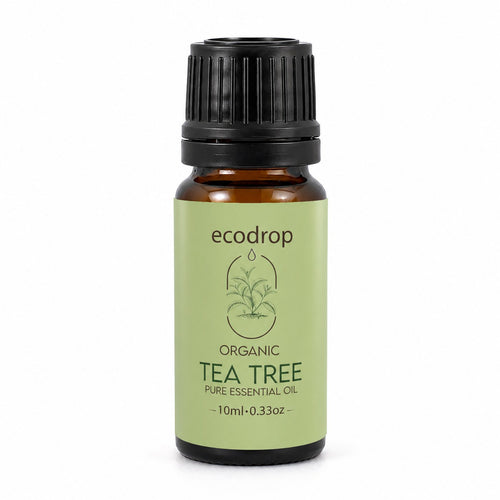
- 1 drop Tea tree essential oil
- 2 tbsp Apple cider vinegar
- 1 cup Water
Apple cider vinegar is a popular cleansing and balancing rinse. It works with the natural pH of the scalp and leaves hair looking shiny. Rosemary adds a fresh, herbal scent, and tea tree adds a clean, sharp note.
2. Rose-Chamomile Herbal Tea Rinse with Lavender
Best for: a gentle, soothing, scented rinse
- 5 drops Lavender essential oil
- 1 tbsp Dried chamomile
- 1 tbsp Dried rosehips
- 2 cups Water
This gentle herbal rinse is soothing to make and lovely to smell. Chamomile and rosehips create a soft herbal base, while lavender adds a calming, floral finish.
How to use the apple cider vinegar and tea tree oil rinse
- Pour all the ingredients into a stainless steel cup or plastic container. Avoid glass, as it could slip from your hand in the bath.
- Shampoo your hair as usual.
- Stir or shake the mixture, then apply it to every strand. Keep it away from your eyes and nose.
- There is no need to rinse it out, and no need for conditioner afterwards.
Your hair will smell of vinegar at first, but do not panic. The smell evaporates as your hair dries. Try to use this rinse at least once a week.
Pro tip
Pour the rinse into a spray bottle to make it easier to apply. If you have long, thick hair, increase the quantities to suit, keeping the same ratios.
How to make the lavender herbal tea rinse
- Bring the water to a simmer, then remove it from the heat.
- Add the chamomile and rosehips and stir.
- Leave to sit until cool, then strain.
- Add the lavender oil and stir. Shake well before use.
- Pour over clean hair after shampooing, leave for 2 minutes, then rinse with warm water.
Love rosemary for hair? Find out why it is so popular in rosemary oil for natural hair growth.
Is a homemade hair rinse safe?
Safety first
Always dilute essential oils as directed and never apply them neat to the scalp. Keep rinses away from the eyes. If you have a sensitive scalp, patch test on a small area first.
- Keep all ingredients out of reach of children.
- Stop using the rinse if any irritation occurs.
- If you are pregnant or breastfeeding, check with your GP or midwife before using essential oils.
FAQs
Can you mix tea tree oil and apple cider vinegar?
Yes. Our rinse uses 1 drop of tea tree oil and 2 drops of rosemary oil in 2 tablespoons of apple cider vinegar and 1 cup of water. Stir or shake well before use.
How often should I use a hair rinse?
Around once a week suits most hair. If your hair feels dry, space the rinses out a little more. If it gets oily quickly, you can use one slightly more often.
Will my hair really smell of vinegar?
Only while it is wet. The vinegar scent fades completely as your hair dries, leaving the fresh notes of the essential oils behind.
Do I still need conditioner after an apple cider vinegar rinse?
Usually not. The rinse helps smooth the hair so it feels soft on its own, but you can add a light conditioner to the ends if you prefer.
How do I make a lavender hair rinse?
Steep 1 tablespoon each of chamomile and rosehips in 2 cups of just-simmered water, cool and strain, then stir in 5 drops of lavender oil. Leave it on for 2 minutes, then rinse with warm water.
Can I store leftover hair rinse?
Herbal rinses are best made fresh, as they contain no preservatives. Make only what you need, and keep any small amount in the fridge for a day or two at most.
Can I use these rinses on colour-treated hair?
Many people do. As a precaution, patch test on a hidden section first and check how your colour responds before using a rinse all over.
The bottom line
A homemade hair rinse is one of the easiest ways to go natural with your haircare. Start with the apple cider vinegar, rosemary and tea tree rinse once a week, or try the lavender herbal rinse for a softer scent. For more ideas, see 6 essential oils for hair growth and shine, and find every oil in our essential oils collection.
Shop the oils in this guide
See all essential oils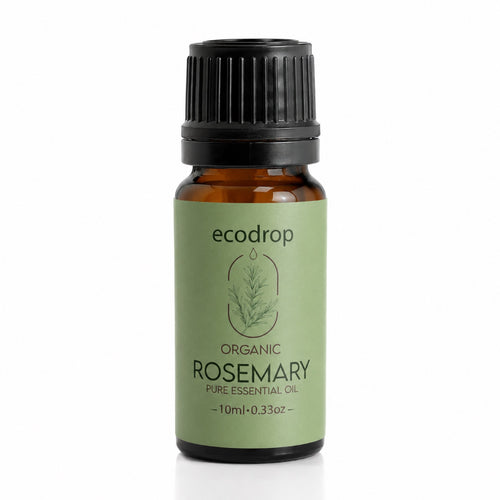
Blijf lezen


