


6 Organic Essential Oils for Hair Care, Growth and Shine
The best essential oils for hair growth, hair loss and shine, including rosemary, lavender and cedarwood, with scalp oil recipes to try.
In this guide
The best essential oils for hair growth are rosemary, lavender, cedarwood and peppermint, with tea tree and Roman chamomile for a dry, itchy or flaky scalp. Diluted in a carrier oil and massaged into the scalp a few times a week, they can support thicker hair, less hair fall and more shine. Below you will find what each oil does, the research behind them and a simple DIY hair serum to try.
Key takeaways
- Rosemary is the best-known essential oil for hair growth and thickness.
- Lavender and Roman chamomile also help when stress is behind hair loss.
- Tea tree and cedarwood suit oily and dandruff-prone scalps.
- Use about 6 drops of essential oil in 30ml of carrier oil, which is around 1%, and massage it in at least twice a week.
- Always patch test first, and never put essential oils on your scalp undiluted.
Why use essential oils for hair care?
Essential oils for hair offer a natural alternative for your hair health. Many commercial hair products contain ingredients such as paraffin oil, parabens, phthalates and synthetic fragrances. These may upset the pH of the scalp and weaken its barrier.
When that happens, the scalp can become irritated, and dandruff, flaking or itchiness may follow. A natural routine with aromatherapy oils for hair growth can promote shine and growth without the unwanted side effects that some chemical-based products cause.

What causes hair loss and thinning hair?
Hair loss can happen for many reasons. You may have been diagnosed with alopecia, a condition that causes partial or complete hair loss. Or you may have been under a lot of stress, which has affected your hair health.
Hair health can also suffer from inflammation, dryness and an irritated scalp. The good news is that the right essential oils can help with many of these causes, from calming stress to soothing the scalp.
What are the best essential oils for hair growth?
Here is a quick guide to the six essential oils for hair growth and shine in this post, and the hair types each one suits best.
| Oil | Best for | Hair type |
|---|---|---|
| Rosemary | Hair growth and thickness | All hair types |
| Lavender | Growth and stress-related hair loss | Dry, oily and damaged hair |
| Cedarwood | Growth and dandruff | Normal, oily and thinning hair |
| Peppermint | Growth, thickness and dandruff | Oily and dry hair |
| Tea tree | Dandruff and excess grease | Oily, dry or irritated scalp |
| Roman chamomile | Itchy, inflamed scalp and stress | Dry and sensitive scalp |
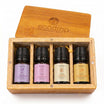
You can find all six in our essential oils collection.
1. Rosemary oil for hair growth and thickness
Rosemary oil for hair growth is a firm favourite. It is known for promoting skin-cell regeneration, which in turn supports thicker hair and new growth.
In one clinical study of people with androgenetic alopecia (pattern hair loss), participants who used rosemary oil showed a significant increase in hair growth after 6 months. There were no big changes in dry hair, greasiness or dandruff, but the results are promising for rosemary's effect on hair growth.
To use it, dilute 6 drops of rosemary in 30ml of coconut, jojoba and/or argan oil in a dropper bottle. Massage it into your scalp at least twice a week for the best results.
2. Lavender oil for hair loss and stress
Lavender's antimicrobial properties make it especially useful for oily hair that is prone to grease. Lavender essential oil also has a relaxing scent that helps with hair loss caused by stress.
It can relax the mind and nerves and promote skin-cell regeneration, which in turn aids hair growth and helps control hair fall, especially for people with alopecia areata. In a study on mice, lavender oil led to a significant increase in hair growth after 4 weeks. More research is needed in people, but the results are promising.
3. Cedarwood oil for thinning and oily hair
In a study on aromatherapy for alopecia areata, lavender, rosemary, thyme and cedarwood essential oils were diluted in jojoba and grapeseed oil and massaged into the scalp every day. The results showed aromatherapy was a successful and safe treatment for people with hair loss.
Cedarwood's antifungal and antibacterial properties also help oily and dandruff-prone hair. Dilute up to 6 drops in a carrier oil, either on its own or with rosemary, lavender or thyme essential oil.
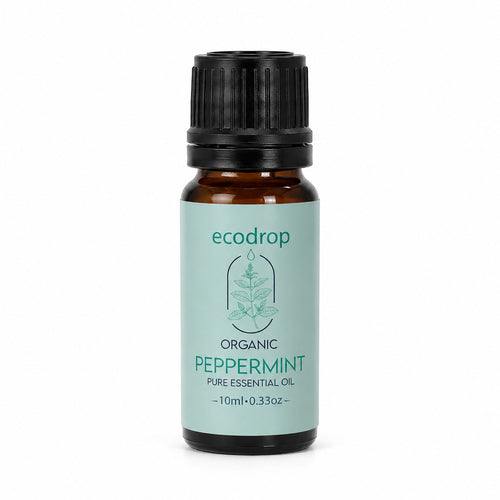
4. Peppermint oil for hair growth and dandruff
Peppermint essential oil is another great option for promoting hair growth, thickness and the number and depth of hair follicles. Its antimicrobial properties make it useful for oily, greasy, dry and dandruff-prone hair.
Its fresh, cooling scent can also calm the mind and ease hair loss caused by stress. Peppermint is strong, so use only 1 or 2 drops in a blend and keep it away from your eyes.
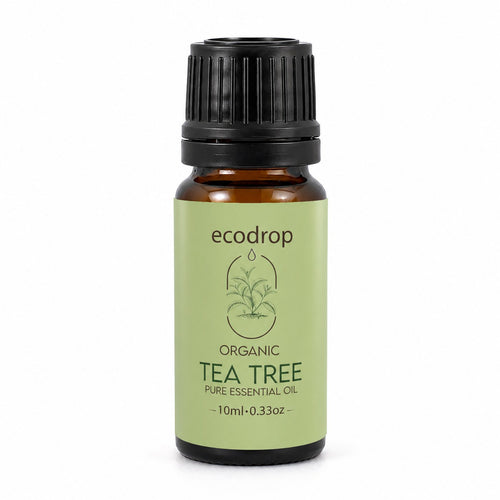
5. Tea tree oil for dandruff and an itchy scalp
Tea tree's strong antimicrobial and anti-inflammatory properties can relieve a dry, dandruff-prone scalp. It also helps reduce grease in oily hair types.
Combine tea tree essential oil with rosemary and lavender in your DIY hair care to reduce dandruff and promote hair growth and shine.
6. Roman chamomile for an irritated scalp
Roman chamomile essential oil has calming, anti-depressive and anti-anxiety effects, which may help relieve hair loss caused by stress. It also has anti-inflammatory properties that can help relieve skin conditions such as psoriasis, dermatitis and eczema.
These conditions can show up on the scalp, causing itching, scaling and dryness. Use chamomile to soothe an inflamed, irritated scalp while also easing stress and anxiety.
DIY hair oil recipes for growth and shine
All three recipes use a gentle dilution of around 1%, which is right for regular scalp massage.
1. Rosemary Hair Growth Oil
Best for: hair growth and thickness
- 6 drops Rosemary oil
- 30ml Coconut, jojoba and/or argan oil
Mix in a dropper bottle and massage into your scalp at least twice a week. Leave it on for at least 30 minutes, or overnight, before you wash.
2. Cedarwood Scalp Oil
Best for: oily, thinning or dandruff-prone hair
- Up to 6 drops Cedarwood oil
- 30ml Jojoba or grapeseed oil
Use cedarwood on its own, or swap some of the drops for rosemary, lavender or thyme. Keep the total at 6 drops so the mix stays gentle.
3. DIY Hair Serum for Daily Use
Best for: shine, scalp health and everyday care
- 10ml Grapeseed oil
- 10ml Jojoba oil
- 10ml Coconut or argan oil
- 2 drops Rosemary oil
- 2 drops Lavender oil
- 2 drops Cedarwood oil
- 2ml Vitamin E oil
Combine everything in a sterilised dropper bottle, label it and store it in a cool, dark cupboard. Apply daily or weekly, massaging the scalp to boost blood flow and spread the oils from root to tip.
Pro tip
Can you add essential oils to shampoo? Yes. Many people add a drop of rosemary or tea tree to a single palmful of shampoo just before washing. Mix it in your hand, lather well and rinse thoroughly.
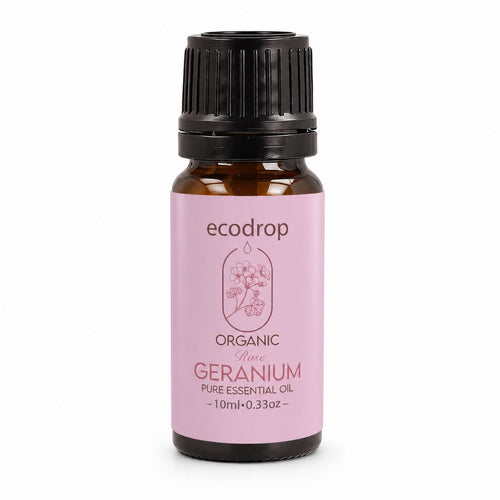
Not sure which base to use? Read our guide on how to choose a carrier oil for skin and hair, or try our rose geranium oil for shiny hair.
Is it safe to use essential oils on your hair?
Safety first
Never put essential oils on your scalp undiluted. Overuse or neat oil can cause irritation, dryness or sensitivity. Keep to around 1 to 2% in a carrier oil, and stop if your scalp becomes red or itchy.
- Patch test a new blend on your inner arm and wait 24 hours before using it on your scalp.
- Keep oils away from your eyes, and rinse well with water if any run down.
- Avoid broken skin and open wounds.
- Do not use peppermint on children under 6, and ask your GP before using oils on young children.
- If you are pregnant or breastfeeding, check with your GP or midwife first. Rosemary and peppermint are best avoided in pregnancy.
- Sudden or patchy hair loss should be checked by a doctor, as it can have a medical cause.
FAQs
Which essential oil is the best for hair growth?
Some of the best essential oils for hair growth are rosemary, peppermint, lavender and cedarwood. They promote circulation, reduce inflammation and nourish the scalp. Using them regularly with a carrier oil such as jojoba or argan can help improve hair density and scalp health.
What essential oils are good for hair loss?
Rosemary is the most popular choice for hair loss and thinning hair. Lavender and Roman chamomile help when stress is a cause, and cedarwood was part of a successful aromatherapy blend for alopecia areata.
What is the best organic oil for hair regrowth?
Organic rosemary essential oil is often the top choice, especially with a nourishing carrier like jojoba or coconut oil. Peppermint and tea tree are also effective. Always choose a pure oil that suits your scalp condition.
Which is better for hair growth, rosemary or castor oil?
Both are useful. Rosemary oil has strong clinical backing for scalp stimulation and regrowth, while castor oil is thick and excellent for holding in moisture. You can combine them, using castor for hydration and rosemary to activate the hair follicles.
What are the side effects of rosemary oil on hair?
Rosemary is generally safe, but overuse or undiluted oil can cause scalp irritation, dryness or sensitivity. Always dilute it in a carrier oil and do a patch test first. Avoid sensitive areas and open wounds.
How often should I use essential oils on my hair?
Massage a diluted oil into your scalp at least twice a week. The DIY hair serum is gentle enough for daily or weekly use. Give it a few months, as hair grows slowly.
The bottom line
Rosemary, lavender, cedarwood, peppermint, tea tree and Roman chamomile are six of the best essential oils for hair care, growth and shine. Dilute them in a good carrier oil, massage them into your scalp regularly and be patient for the best results. Find all six in our essential oils collection, or learn more about buying organic essential oils.