Free UK delivery for orders over 40GBP


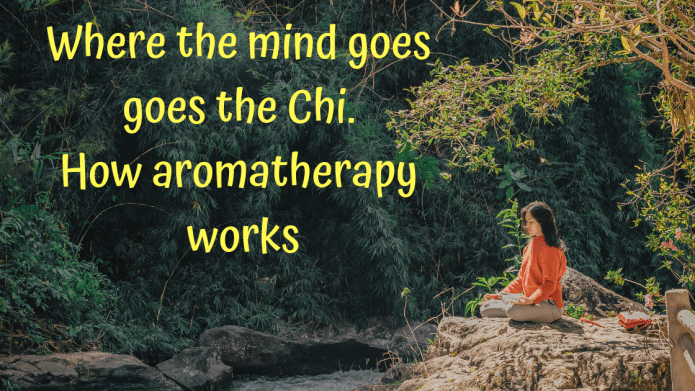
Where the mind goes goes the Chi. How aromatherapy works
What is aromatherapy?
Aromatherapy is a word often associated with calm, sweet-smelling and relaxing surroundings. Best known for its indulgent, relaxing side, it is the practice of using aroma as part of a wider sense of wellbeing. At its heart, aromatherapy is built around naturally derived essential oils, which are extracted from plants and other botanical material. These concentrated oils carry the characteristic scent of the plant they come from, and it is that scent which sits at the centre of the practice.
How essential oils are used
Essential oils are usually extracted from flowers, leaves, roots or other delicate plant tissues, each chosen for its distinctive aroma and character. Flower-based oils such as rose and neroli tend to be prized for their rich, complex fragrance, while many other oils are valued for fresher or more grounding notes. In practice, there are a few common ways people enjoy them.
- Aerial diffusion – dispersing the aroma into a room with a diffuser to scent and freshen the surrounding space.
- Inhalation – breathing in the aroma directly from the bottle, a tissue or a bowl of warm water to enjoy the scent up close.
- Topical use – blending well-diluted oils into carrier oils for massage, bath products and homemade skincare, always at a safe dilution.
A short history of aromatherapy
The use of aromatic plant oils stretches back a very long way and is woven through many ancient cultures, from perfumery and bathing rituals to early forms of natural craft. The modern word "aromatherapy" is much newer. It is often traced to a French chemist in the early twentieth century who took a keen interest in the properties of plant oils after working with lavender, sparking renewed scientific curiosity about how botanical aromas might be used. From those origins, aromatherapy grew into the popular practice we recognise today, blending old traditions with a more modern, mindful approach to scent.
Aromatherapy and the senses
Much of aromatherapy's appeal comes from the powerful link between smell and mood. Scent is processed in parts of the brain closely tied to memory and emotion, which is why a familiar aroma can so quickly bring a feeling or a memory to mind. This is why many people reach for particular oils to help set the atmosphere of a room or a moment, whether that is something bright and fresh in the morning or something soft and grounding in the evening.
Intention plays a part too. As the Chinese saying goes, where the mind goes, so goes the chi. Pairing a chosen aroma with a calm, intentional moment is a simple way to mark out time for yourself. Many people fold aromatherapy into practices such as yoga, meditation, breathwork or quiet reflection, using a favourite scent as an anchor for the senses. Trying a few different oils before settling on the one that suits a particular mood or setting is all part of the enjoyment.
Bringing aromatherapy into everyday life
You do not need an elaborate setup to enjoy aromatherapy. A diffuser in a frequently used room, a few drops on a tissue at your desk, or a well-diluted blend in a bath are all easy ways to begin. Start with one or two oils you genuinely like the smell of, then build a small collection over time as you discover the aromas that suit different moments of your day. Six well-chosen oils are more than enough to get started and to mix into a surprising variety of blends.
A note on safe use: essential oils are highly concentrated. Never apply them neat to the skin; always dilute them well in a carrier oil and patch test first. Keep them out of reach of children and pets, and seek advice before use if you are pregnant, breastfeeding or have a health condition. Nature provides plenty to enjoy, so explore it thoughtfully and at your own pace.
FAQs
What exactly are essential oils?
Essential oils are concentrated aromatic extracts drawn from plants, usually by distillation or pressing. They carry the characteristic scent of the flower, leaf, peel or root they come from, which is why each one smells so distinctive.
Do I need a diffuser to enjoy aromatherapy?
Not at all. A diffuser is convenient for scenting a room, but you can simply add a couple of drops to a tissue, a bowl of warm water or a well-diluted carrier oil. Many people start without any special equipment and add a diffuser later.
Which oils are good for beginners?
Familiar, versatile aromas such as lavender, sweet orange, lemon, eucalyptus, peppermint and rosemary make a great starting kit. They are widely loved, blend easily with one another and suit a range of everyday settings.
Can I put essential oils directly on my skin?
No. Essential oils are far too concentrated to use neat. Always dilute them in a carrier oil such as jojoba or sweet almond, keep to a low dilution, and patch test on a small area of skin before wider use.
How do I choose an oil for a particular mood?
Trust your nose. Bright citrus and herbaceous notes tend to feel fresh and lively, while soft florals and grounding woody scents often feel calming. Try a few and keep the ones whose aroma you genuinely enjoy in that setting.