






Angstzustände mit ätherischen Ölen reduzieren
How to reduce anxiety with essential oils, which calming oils to choose, and easy ways to use them every day.
In this guide
Calming aroma oils such as lavender, rose geranium and frankincense can help you feel more relaxed when anxious feelings build up. This guide explains the common types of anxiety, the five easiest ways to use essential oils every day, and which calming oils to start with.
Key takeaways
- Some anxiety is a normal part of being human. It becomes harder to live with when it shows up out of proportion to what is happening.
- The most popular essential oils for anxiety are lavender, rose geranium and frankincense.
- You can diffuse them, breathe them from an inhaler, add a diluted drop to your pillow, or use them in a massage or bath.
- Always dilute oils before they touch your skin.
- Aromatherapy works best as part of a wider self-care routine, alongside support from your doctor or therapist.
What does anxiety feel like?
It is hard for a day to go by without hearing about anxiety, a feeling that touches so many of us. It is often described as a sense of worry and unease, sometimes with physical signs such as a racing heart, sweating or tension.
It can also show up as a sinking feeling, a heavy weight on the chest, racing thoughts or an overwhelming sense of dread. If you have felt it, you will know. Anxiety looks different for everyone, and there is no one-size-fits-all picture of it.
A degree of anxiety is normal, especially when we face a real challenge. It is part of our natural "fight or flight" wiring, which has helped keep people safe for thousands of years. It becomes harder to live with when worry turns up over very little, or nothing in particular.
Many people find that calming, sensory habits such as aromatherapy fit naturally into a wider self-care routine, alongside any support from their doctor or therapist.
What are the different types of anxiety?

| Type | What it can feel like |
|---|---|
| Social anxiety | Intense unease around other people, often from a fear of being judged, which can lead someone to withdraw |
| Post traumatic stress (PTSD) | Reliving the emotional weight of a shocking, frightening or dangerous event when something "triggers" the memory |
| Obsessive compulsive disorder (OCD) | Recurring anxious thoughts that lead to repeated habits, such as checking a door is locked again and again |
| Situational anxiety | Nerves in unfamiliar moments, like a job interview, public speaking or waiting for an important result |
| Everyday stress | A close relative of low-level anxiety that can take a toll on body and mind if left unmanaged |
PTSD and OCD are conditions that need support from a doctor or therapist. Calming scents can be a comforting extra, but never a replacement for that care.
Which essential oils are best for anxiety?
These three oils are firm favourites for relaxed, restful moments. Each one has a soft, comforting scent that is easy to enjoy on its own or in a blend.
Lavender essential oil
Lavender is one of the most popular essential oils for relaxation. Its soft, floral scent is a classic bedtime companion and a lovely place to start if you are new to aromatherapy.
Rose geranium essential oil
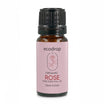
The gentle floral scent of rose geranium is uplifting and comforting. It brings a sense of softness and calm to a room, and many people reach for it on low or unsettled days.
Frankincense essential oil
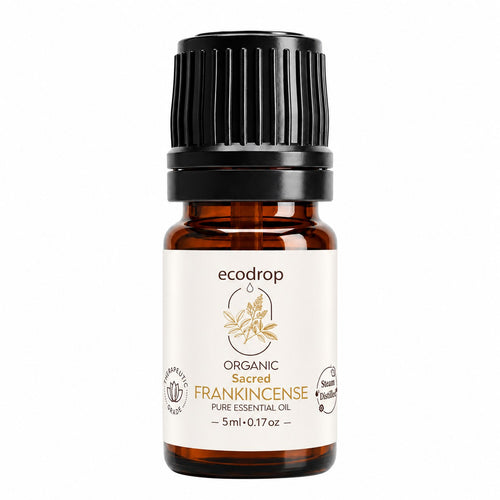
Frankincense has a rich, warm, resinous scent that many people find centring and quietly grounding. It is a beautiful choice for slow, mindful moments and deep breathing.
Pro tip
Start with one oil you love before you blend. Scent is personal, and the oil you enjoy most is the one you will actually use. Our 5 essential oils for stress relief has more options to try.
How to use essential oils for anxiety relief
Many people find the simple act of pausing to breathe in a calming scent a comforting part of winding down. Here are five easy ways to use the oils above.
| Method | How to do it | Best for |
|---|---|---|
| Diffuser or oil burner | Add 4 to 6 drops to the water and run for 30 to 60 minutes | A calm room at home or work |
| Aroma inhaler | Add a drop to a personal inhaler and breathe in slowly | Anxious moments on the go |
| Pillow | Add one drop of a diluted blend to the corner of your pillow | Settling down for sleep |
| Massage | Dilute in a carrier oil and rub gently into your neck, temples or the soles of your feet | Releasing tension |
| Bath | Mix a few drops into a carrier oil first, then add to warm bath water | Unwinding at the end of the day |
Want ready-made blends? Our easy DIY essential oil recipes for anxiety relief include diffuser blends, a roller bottle and bath salts you can make in minutes. For bedtime, try these lavender diffuser blends to relax and de-stress.
How to build a calming daily routine
Scent works best when it becomes a habit. Linking it to the same moment each day can help your mind learn that this is the time to slow down.
- Morning: breathe in from your inhaler for a few slow breaths before a busy day.
- Before a stressful moment: keep the inhaler in your bag for interviews, talks or appointments.
- Evening: switch on the diffuser as you put your phone away.
- Bedtime: add a diluted drop to your pillow and take five deep breaths.
How to use essential oils safely
Safety first
Essential oils are concentrated. Always dilute them in a carrier oil before they touch your skin, and never use them neat.
- For massage, aim for about 2% (around 12 drops in 30ml of carrier oil), and no more than 3%.
- Patch test a new blend on a small area of skin first and avoid the eyes.
- Keep oils out of reach of children and pets, and diffuse away from cats and young babies.
- If you are pregnant, breastfeeding or have a health condition, check with a qualified practitioner first.
- Speak to your doctor before changing or adjusting any prescribed medication.
FAQs
What aroma oils are good for anxiety?
Lavender, rose geranium and frankincense are the most popular aroma oils for anxiety. Their soft, comforting scents help many people feel more relaxed, whether diffused, inhaled or used in a diluted massage.
How do I use essential oils for a calming routine?
Diffuse a blend, add a diluted drop to your pillow or breathe in from a personal inhaler. Keep oils diluted and out of reach of children and pets.
Can essential oils help with PTSD?
Some people find a calming scent comforting as part of a wider routine. PTSD needs proper support from a doctor or therapist, and aromatherapy should never replace that.
How much should I dilute oils for skin or bath use?
For the body, aim for about 2% in a carrier oil and no more than 3%. For the bath, always mix the oils into a carrier oil first rather than dropping them straight into the water.
Can aromatherapy replace professional support?
No. Aromatherapy can be a comforting part of a wider self-care routine, but it is not a substitute for advice from your doctor or therapist.
Are these oils safe during pregnancy?
Some oils are best avoided during pregnancy and breastfeeding. Always check with a qualified practitioner before using oils at this time.
The bottom line
Anxiety is personal, and small daily habits can make a real difference to how calm you feel. Start with lavender, rose geranium or frankincense in a diffuser or inhaler, and seek professional support if anxiety is affecting your daily life. Explore every calming oil in our essential oils collection.
This information is not meant to treat or diagnose any medical condition, and it does not replace professional medical advice. Always consult a healthcare practitioner for treatment. Take care if you are diabetic, epileptic, pregnant, breastfeeding or have a serious health condition.
Shop the oils in this guide
See all essential oils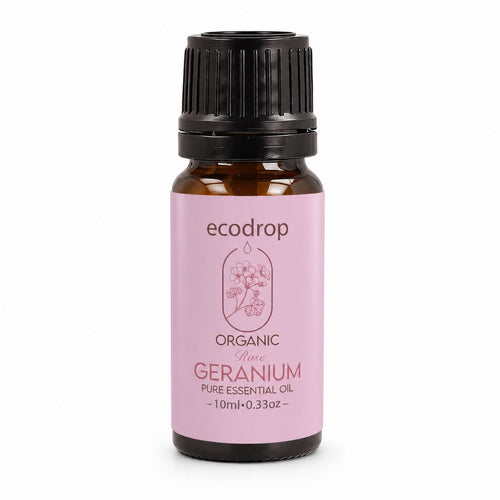
Weiterlesen


