







DIY-Atemwege-Mischung aus ätherischen Ölen: Ratgeber für natürliche Linderung bei Atemwegsbeschwerden
How to make and use a breathe easy essential oil blend for steam, diffuser or chest rub, with benefits, ratios and safety tips.
In this guide
A breathe easy essential oil blend mixes clearing plant oils like eucalyptus, peppermint and tea tree to help open the airways when congestion strikes. To make your own, combine 4 drops eucalyptus, 3 drops peppermint, 2 drops tea tree, 2 drops tulsi and 1 drop lavender. This guide covers the benefits, how to use breathe easy oil in a diffuser, steam, chest rub, roll-on or shower, and how to stay safe.
Key takeaways
- The classic breathe easy ingredients are eucalyptus, peppermint, tea tree, tulsi and lavender.
- Use 5 to 8 drops in a diffuser, or 3 to 4 drops in a bowl of hot water for steam inhalation.
- For skin, always dilute to 1 to 2% in a carrier oil like jojoba or sweet almond.
- It may help ease sinus congestion, clear the air and support easier breathing at night.
- Take care with children under 10, and avoid peppermint and eucalyptus for very young children.
What is a breathe easy essential oil blend?
When congestion strikes or breathing feels laboured, natural remedies can bring welcome relief. A breathe easy essential oil blend combines powerful plant extracts known for clearing the airways and supporting respiratory health.
Unlike shop-bought decongestants, a breathe easy blend uses pure botanical power. Each oil is chosen for its respiratory benefits, and together they make a fresh, clearing scent that many people find helps them breathe easier.
Breathe easy ingredients: which oils work best?
These five oils make the most effective combination for respiratory support.
| Oil | What it does |
|---|---|
| Eucalyptus | Opens the nasal passages with its fresh, menthol-like scent, thanks to eucalyptol |
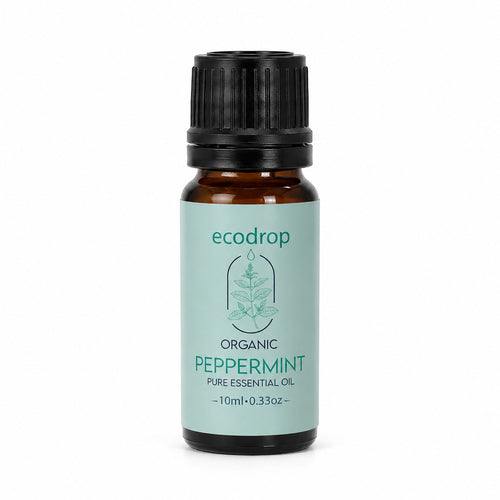
| Peppermint | Contains natural menthol that cools and opens the airways |
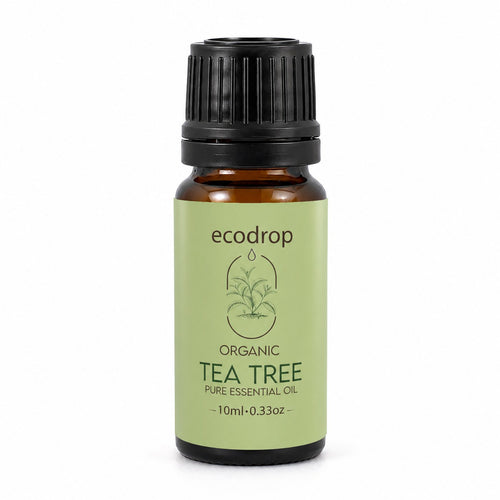
| Tea tree | Purifies the air while supporting immune function |
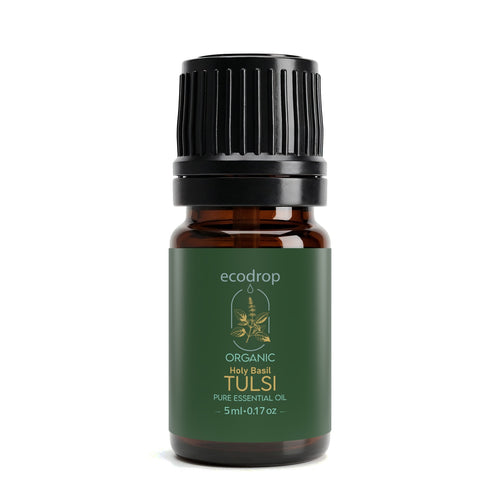
| Tulsi (holy basil) | Traditionally used to reduce chest tightness and improve breathing |
| Lavender | Adds calming properties, especially helpful at night |
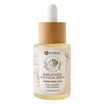
At Ecodrop, we source only pure organic oils for the purest breathe easy experience. Prefer a ready-made blend? Try our Breathe essential oil blend.
Breathe easy essential oil benefits
Regular use of a good breathe easy blend offers many benefits. It:
- Naturally reduces sinus congestion and pressure
- Supports clearer breathing during seasonal challenges
- Purifies indoor air when diffused
- Gives relief from cold symptoms and seasonal allergies
- Helps you relax while keeping the airways open
- Offers a plant-based alternative to synthetic products
DIY breathe easy essential oil blend recipe
Making your own breathe easy blend is simple. Mix the oils in a small, dark glass bottle, then use them in a diffuser, a steam bowl or a carrier oil.
1. Basic Breathe Easy Blend
Best for: diffusing, steam inhalation and the shower
- 4 drops Eucalyptus oil
- 3 drops Peppermint oil
- 2 drops Tea tree oil
- 2 drops Tulsi oil
- 1 drop Lavender oil (optional, for extra relaxation)
For diffusing, use only the essential oils, following your diffuser's guidelines. Scale it up by keeping the same ratio if you want a bottle ready to go.
2. Breathe Easy Chest Rub
Best for: massaging onto the chest and upper back
- 12 drops Basic Breathe Easy Blend (recipe 1)
- 30ml Jojoba or sweet almond oil
This gives a 2% blend, the right strength for adult skin. Massage onto the chest and upper back to ease congestion. For a 10ml roll-on, use 4 drops of the blend and top up with carrier oil.
Pro tip
Add the lavender at bedtime and leave it out in the morning. Without it, the blend is sharper and more awakening. With it, it feels softer and more calming for sleep.
How to use breathe easy essential oil
There are five easy ways to use your blend. Pick the one that suits how blocked you feel.
| Method | How much | How to do it |
|---|---|---|
| Diffuser | 5 to 8 drops | Add to a diffuser filled with water. Run for 30 to 45 minutes in a closed room |
| Steam inhalation | 3 to 4 drops | Add to a bowl of steaming water, cover your head with a towel and breathe deeply for 5 to 10 minutes |
| Chest rub | 1 to 2% in carrier oil | Massage onto the chest and upper back |
| Roll-on | 4 drops in 10ml | Roll onto the chest or upper back when you are out and about |
| Shower | 4 to 5 drops | Put on a washcloth in the corner of the shower and let the steam release the oils |
For a blocked nose, steam inhalation usually works fastest. Keep your eyes closed and the water hot but not boiling.
When to reach for your breathe easy blend
- First thing in the morning, to clear overnight congestion
- Before bedtime, when congestion might disturb your sleep
- During cold and flu season, for extra respiratory support
- After exposure to things that irritate your airways
- In dry or air-conditioned rooms, to stay comfortable
Most humidifiers are not made for essential oils, so use a diffuser unless your humidifier has an aroma pad or tray. For six more recipes, including facial steams and bath salts, see our breathe easy essential oil recipes.
Safety guidelines for breathe easy oils
Safety first
If you have real difficulty breathing, chest pain or a high fever, seek medical help straight away. Essential oils support your wellbeing but do not replace treatment.
- Always dilute properly before putting oils on the skin.
- Take care with children under 10 and ask a professional first. Avoid peppermint and eucalyptus for very young children.
- Keep oils away from the eyes, the inside of the nose and other sensitive areas.
- If you have asthma, start with a small amount in a well-aired room, as strong scents can trigger symptoms.
- Patch test new oils to check for sensitivity.
- Store your blend in a dark glass bottle away from direct light, and out of reach of children and pets.
FAQs
Which essential oils work best in a breathe easy blend?
Eucalyptus, peppermint, tea tree, tulsi and lavender make the most effective combination for respiratory support.
How do I make a breathe easy essential oil blend at home?
Combine 4 drops eucalyptus, 3 drops peppermint, 2 drops tea tree, 2 drops tulsi and 1 drop lavender. Use it in a diffuser, or add it to a carrier oil for use on the skin.
How do you use breathe easy essential oil?
Add 5 to 8 drops to a diffuser, 3 to 4 drops to a bowl of hot water for steam, or dilute it to 1 to 2% in a carrier oil and rub it onto your chest and upper back.
What is the best breathe easy recipe for steam inhalation?
Add 3 to 4 drops of your breathe easy blend to hot water. Drape a towel over your head and breathe in the steam for 5 to 10 minutes.
What are the benefits of a breathe easy roll-on?
A roll-on is an easy way to carry your blend with you. It can help ease congestion and support clearer breathing on the go. Use 4 drops of blend in a 10ml roller topped up with carrier oil.
Is it safe to use a breathe easy blend every day?
Yes, when used properly, a breathe easy blend can be part of your daily wellness routine. Keep diffuser sessions short and always dilute for skin use.
Can children use breathe easy essential oil blends?
Take care with young children. Use a lower strength and avoid peppermint and eucalyptus for very young children. Always check with a healthcare provider first.
The bottom line
A breathe easy essential oil blend is a simple, natural way to support clearer breathing. Mix eucalyptus, peppermint, tea tree, tulsi and lavender, then use it in a diffuser, steam bowl, chest rub or roll-on. Find every oil in our essential oils collection, and read more in our guide to essential oils for healthy respiration.
For more ways to use it, see our eucalyptus oil guide with uses, blends and safety tips.
This information is not meant to treat or diagnose any medical condition, and it does not replace professional medical advice. Always consult a healthcare practitioner for treatment. Take care if you are diabetic, epileptic, pregnant, breastfeeding or have a serious health condition.
Shop the oils in this guide
See all essential oils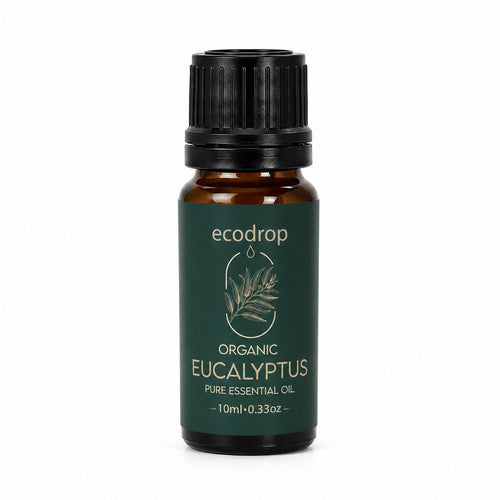


Weiterlesen


