Free UK delivery for orders over 40GBP


5 Health Benefits of Thyme Essential Oil & Its Uses!
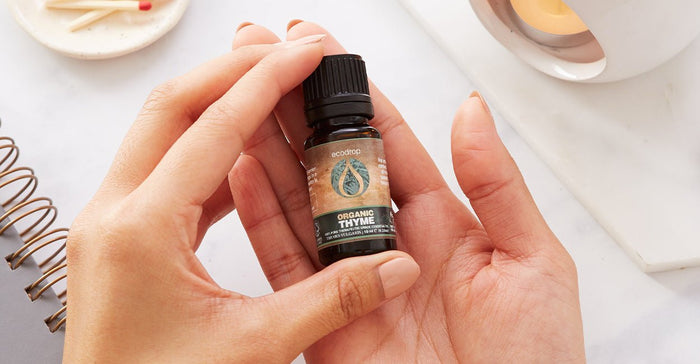
Time for Thyme Essential Oil
Thyme takes its name from the Greek word “thymos,” meaning “smell.” It is a much-loved seasoning herb that most of us know from our home-cooked meals. Often called the joy of the mountain, thyme is most closely associated with the Mediterranean, where it is prized for its delicious flavour and its wonderfully aromatic character. Thyme essential oil is just as versatile, with a place in diffuser blends, skincare rituals, oral-care routines and homemade cleaning, and the best part is that it smells so good.

Popular Uses for Thyme Essential Oil
Aromatic Support for the Senses
Thyme essential oil has a warm, herbaceous, slightly sharp aroma that many people find clearing and invigorating, which is why it is such a popular choice in the diffuser during the cooler months. Thymol is the natural constituent that gives thyme its bold, characteristic scent. To enjoy thyme aromatically, dilute up to 5 drops into your diffuser or add it to a bowl of steaming water for a simple facial steam.
Skincare Rituals
Thyme is a popular oil in natural skincare blends thanks to its fresh, herbaceous aroma. Many people enjoy combining it with other aromatic oils such as tea tree, oregano and lemongrass. To make a simple facial serum, blend 2 drops thyme essential oil with 2 drops lavender essential oil and 2 drops frankincense essential oil in 30ml jojoba oil, then pour into a sterilised dropper bottle. Always patch test a new blend first.

Oral-Care Blends
Thyme has a fresh, clean aroma that has made it a traditional favourite in oral-care customs, and you will spot thyme, peppermint and tea tree among the ingredients of many natural toothpastes and mouth rinses. Alongside peppermint, thyme lends a bright, herbaceous freshness to homemade oral-care blends. Essential oils should never be swallowed, so keep them to rinses and pastes used as directed.

Purify the Home Space
Diffusing thyme essential oil through your home fills the space with a fresh, herbaceous aroma and a feeling of clean, cared-for surroundings. It blends beautifully with tea tree, frankincense, lemon, lavender or clove. You can also add a few drops of thyme essential oil to a homemade surface cleaner to leave your counters and table-tops smelling wonderfully herby and fresh.

A Place at the Table
Thyme has always been at home in the kitchen, and its essential oil reflects that same warm, savoury, herbaceous character. While the oil itself is for aromatic and topical blends rather than cooking, diffusing thyme as you prepare or enjoy a meal is a lovely way to bring that familiar Mediterranean aroma into your home and aromatherapy practice.

DIY Time for Thyme Essential Oils
Citrus & Thyme Diffuser Blend
Thyme, frankincense and lemon all share a fresh, uplifting character. This multipurpose diffuser blend is a lovely way to fill the home with a clean, herbaceous-citrus aroma at any time of day.
Ingredients:2 drops thyme essential oil
2 drops frankincense essential oil
2 drops lemon essential oil

Time for Thyme Homemade Cleaner
Making your own homemade cleaner is a sustainable, satisfying way to bring natural ingredients into every part of daily life. Many shop-bought cleaners contain harsh ingredients, so making your own is a lovely way to keep things simple and eco-friendly. This recipe is packed with fresh, aromatic ingredients. If you are worried about the vinegar smell, don’t be, it is a classic, effective cleaning ingredient and its scent fades within a few minutes, after which the essential oils take over. We promise your countertops will be smelling herbaceous and lovely.
Ingredients:1 cup witch hazel
1 cup white vinegar
4 cups distilled water
20 drops clove bud essential oil
20 drops rosemary essential oil
1/4 ounce thyme essential oil
1/4 ounce lemon essential oil
1/4 ounce tea tree essential oil
2 tbsps vegetable glycerin or aloe vera
2 tbsps dishwashing soap
Reuse an old container, such as a wine bottle or apple cider vinegar jug.
- In a pouring jug, combine the essential oils with the vegetable glycerin and dishwashing soap.
- Mix in the vinegar and witch hazel, then pour into your cleaner container.
- Close with a lid and shake well.
- Label and store in a dark cupboard for up to 6 months.

Safe-Use Notes
Thyme essential oil is highly concentrated and can be strong on the skin, so always dilute it well in a carrier oil and patch test before wider use. Never apply it neat, keep it away from the eyes, and never swallow essential oils. Store out of reach of children and pets, and keep oil-based cleaning blends away from food preparation surfaces unless rinsed. Take extra care if you are diabetic, epileptic, pregnant, breastfeeding, or living with any serious health condition, and check with a qualified practitioner if in doubt.
FAQs
What does thyme essential oil smell like?
It has a warm, herbaceous, slightly sharp aroma that many people find fresh and invigorating, which is why it is popular in diffuser blends and homemade cleaners.
How do I use thyme oil in a diffuser?
Add up to about 5 drops to your diffuser, on its own or blended with oils such as lemon, frankincense, tea tree or lavender, following your diffuser’s instructions.
Can I put thyme essential oil on my skin?
Only well diluted in a carrier oil such as jojoba, and after a patch test. Thyme is potent, so never apply it neat to the skin.
Which oils blend well with thyme?
Thyme pairs beautifully with lemon, frankincense, tea tree, lavender, rosemary and clove, giving fresh, herbaceous and citrus-forward blends.
How long does the homemade thyme cleaner keep?
Stored in a labelled container in a cool, dark cupboard, it keeps for up to six months. Always shake before use.