Free UK delivery for orders over 40GBP


The Ancient Power of Aromatherapy
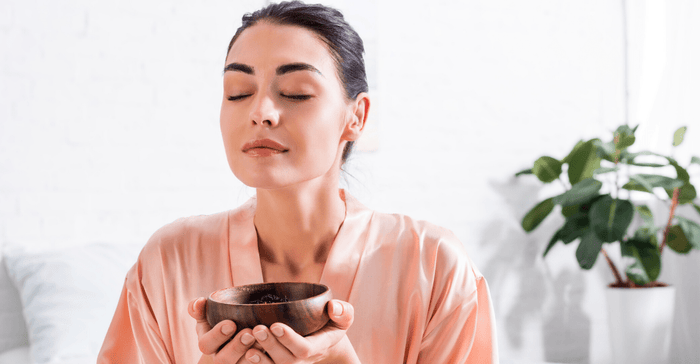
Of all five senses, our sense of smell is the one most closely linked to emotion and a sense of wellbeing. The smell of freshly baked bread, a parent's home cooking or the aroma of freshly ground coffee can almost instantly bring a wave of comfort.
This is not merely an observation. Our olfactory nerves, where our sense of smell comes from, connect to the limbic system, the part of the brain associated with emotion and memory. This is why scents from childhood can deliver an almost instant hit of nostalgia. The limbic system is also one of the oldest parts of the brain, developed long before the more analytical regions.
Origins of Aromatherapy

Human beings have been drawn to beautiful smells for thousands of years. What we now call aromatherapy can be traced back to civilisations dating to around 3500 BC, including Ancient Egypt, Greece, China and India. Herbs, spices, flowers and aromatic woods featured in spiritual ceremony, in early approaches to wellbeing, and in the pursuit of beauty.
In India, aromatic plants became woven into the Ayurvedic tradition, as they still are today. In Greece, Hippocrates, the prolific physician often called the grandfather of holistic medicine, included aromatic massage within his approach to care. Later, the Romans embraced this ancient knowledge and made aromatic baths famous, a self-care favourite still enjoyed today. Aromatic woods and resins were also burned as incense, scenting temples and homes across the ancient world.
Aromatherapy Revival

The word 'aromatherapy' was coined in 1937 by the French chemist Rene Maurice Gattefosse. It combines 'aroma', from the Greek for 'sweet odour or sweet herb', and 'therapy', from the Greek 'therapeia', meaning 'healing'.
Aromatherapy made a major comeback in the West in the late 1970s and 1980s. During this time more people were exploring holistic approaches to wellbeing. Traditional Chinese practices, Ayurveda and Eastern disciplines such as yoga, meditation and tai chi made their way into the mainstream. Aromatherapy has remained widely popular all over the world ever since, valued simply for the pleasure and atmosphere a beautiful scent can bring to a space.
Cleopatra Inspired Diffuser Blend
Enjoy the timeless appeal of essential oils with this Cleopatra inspired diffuser blend. The Ancient Egyptian ruler was famous for her extravagant beauty regime, which is said to have included bathing in milk and honey. She loved aromatic oils, with neroli, rose and frankincense said to be among her favourites.
Ingredients
- 6 drops Neroli Essential Oil
- 3 drops Rose Essential Oil
- 2 drops Frankincense Essential Oil
Directions
Add the oils to a diffuser and enjoy the warm, indulgent character of this ancient-inspired blend. If you don't have a diffuser, add the oils to a carrier oil and pour into a warm bath while channelling the indulgence of Cleopatra. Never add essential oils neat to bath water; always blend them into a carrier oil or dispersant first.
Safe Use
Essential oils are highly concentrated and should be diluted before use on the skin or in the bath. Keep diffuser sessions to around 30-60 minutes in a ventilated room, and keep oils out of reach of children and pets. If you are pregnant, breastfeeding or have a health condition, check with a qualified practitioner before use.
FAQs
What does aromatherapy actually mean?
It refers to the use of aromatic plant extracts, such as essential oils, for their scent and the atmosphere they create. The word combines the Greek roots for 'sweet herb' and 'healing'.
Why are smells so closely tied to memory?
Our sense of smell connects directly to the limbic system, the brain region linked with emotion and memory, which is why a familiar scent can bring an instant rush of nostalgia.
How do I use a diffuser blend safely?
Add the recommended number of drops to water in your diffuser, run it in a ventilated room for around 30-60 minutes, and keep it out of reach of children and pets.
Can I use the Cleopatra blend in the bath?
Yes, but always mix the oils into a carrier oil first rather than dropping them straight into the water, so they disperse safely.
Are these oils suitable during pregnancy?
Some oils are best avoided during pregnancy and breastfeeding. Always check with a qualified practitioner before using essential oils at this time.