
















Welke etherische oliën zijn goed voor de spijsvertering en een opgeblazen gevoel?
Which essential oils are good for digestion, gas and bloating? Peppermint, ginger, lemon and marjoram, with tummy massage recipes.
In this guide
The best essential oils for digestion, gas and bloating are peppermint, ginger, lemon and marjoram. You breathe them in from a diffuser or rub them, diluted, into your tummy. Below you will find what each oil does, two easy recipes and a simple stomach massage for bloating and gas pain.
Key takeaways
- Peppermint is the top pick for bloating, gas and tummy cramps, thanks to its menthol.
- Ginger is warming and has been used for centuries for nausea, cramping and wind.
- Lemon helps with nausea and lifts your mood, while marjoram soothes the whole digestive tract.
- Use the oils in a diffuser or a diluted tummy massage. Never swallow essential oils.
- Stress can upset your stomach, so slow breathing and rest help the oils work even better.
Can essential oils help with digestion?
Your digestive system breaks down food and takes in the nutrients your body needs. Essential oils have been used as a complementary remedy for digestive health for thousands of years. They can bring both physical and mental relief from many common tummy troubles.
Essential oils will not cure any condition. But they can soothe pain, ease tension and stress, and boost local blood flow and the natural movement of the gut. All of this helps your digestion work more smoothly.
In autumn and winter, digestion often slows down. That can leave you more tired, bloated and windy than usual. This is a good time to reach for your digestive oils.
What are the best essential oils for gas and bloating?
Four oils stand out for digestive support. Each one helps in a slightly different way, so many people blend two or three of them.
| Oil | Best for | How to use |
|---|---|---|
| Peppermint | Bloating, gas, cramps and IBS symptoms | Diffuse, or massage diluted on the tummy |
| Ginger | Nausea, wind, cramping and a sluggish gut | Diffuse, or add to a tummy massage |
| Lemon | Nausea, morning sickness and low energy | Diffuse, or a few drops in a massage oil |
| Marjoram | Cramps, stomach ache and general gut comfort | Diffuse, or up to 6 drops in a carrier oil |
| Cinnamon bark | A warming touch in a massage blend | 1 drop only, always well diluted |
You can find all of these, and many more, in our essential oils collection.
Peppermint essential oil for bloating and stomach pain
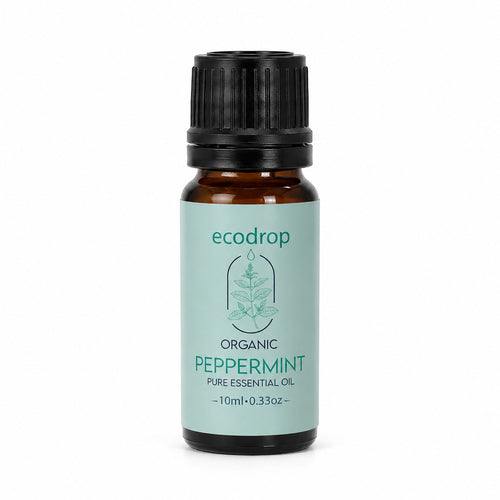
Peppermint is a much-loved herb in folk traditions, mostly for digestive and breathing complaints. Its oil is rich in menthol, which has an antispasmodic action on the gut. This means it helps tight, cramping muscles in the tummy to relax.
Peppermint oil is also anti-inflammatory, antioxidant and antimicrobial. Research reviews suggest it may help ease the symptoms of IBS, such as bloating and tummy pain. To use it, diffuse it or massage the diluted oil across your abdomen.
Ginger essential oil for nausea and wind
Ginger oil is warming and stimulating. It may help digestion by energising your circulation and giving your metabolism a boost.
For centuries, ginger has been used to relieve nausea, cramping, flatulence and bloating. It is a lovely oil for a slow, heavy stomach after a big meal. Read more in our guide to ginger essential oil uses and benefits.

Lemon essential oil for nausea
Organic lemon oil has a fresh, zesty scent that also supports digestion. It can help relieve nausea and morning sickness, and it lifts your mood, energy and focus.
For digestive relief, mix lemon with peppermint and marjoram in a diffuser. Or dilute up to 6 drops in a carrier oil for a simple DIY tummy massage.
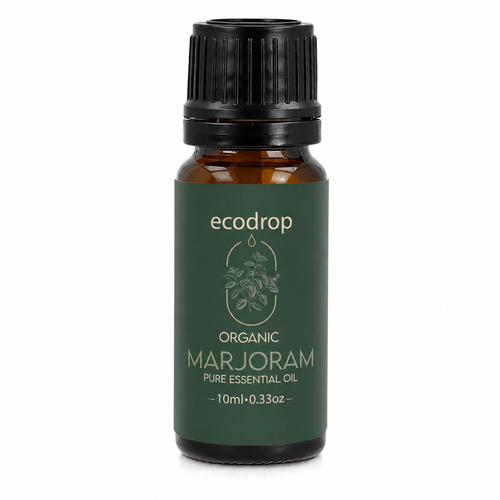
Marjoram essential oil for digestive health
Marjoram has long been used in Mediterranean traditions for the gut, the airways, the heart and the nerves. Its oil is anti-inflammatory, anti-ulcer, antibacterial and antifungal, so it supports overall digestive health.
Blend up to 6 drops of marjoram with lemon, peppermint and ginger for digestive support.
Essential oil recipes for digestion and bloating
Here are two simple recipes: one for the diffuser and one for a soothing tummy massage.
1. Digest with Ease Diffuser Blend
Best for: easing bloating before and after meals
- 2 drops Ginger oil
- 2 drops Lemon oil
- 2 drops Marjoram oil
Add the drops to the water in your diffuser. Diffuse the scent around your home before and after you eat for gentle digestive relief.
2. DIY Massage Oil for Digestive Support
Best for: gas, cramps and stomach ache
- 15ml Grapeseed oil
- 15ml Sweet almond oil
- 3 drops Peppermint oil
- 2 drops Lemon oil
- 1 drop Cinnamon bark oil
Mix the essential oils with the carrier oils in a clean 30ml dropper bottle. Drop a little onto your tummy where the pain is strongest, then massage as shown below.
How to do a tummy massage for gas and bloating
A gentle stomach massage with oil is one of the easiest ways to ease trapped wind and bloating. It takes only a few minutes.
- Lie down or sit back somewhere warm and comfortable.
- Put a few drops of the massage oil on your tummy.
- Massage in slow, clockwise circles around your belly button. This follows the natural path of your gut.
- Add gentle upward strokes towards your heart.
- Keep going for as long as you need. Breathe in the scent and take slow, deep breaths as you go.

Pro tip
Tummy troubles are often linked to stress and strong emotions. Make time and space for yourself when you feel overwhelmed, and try slow breathing while you massage. Our essential oils for stress relief can help you unwind.
How to use essential oils for digestion and gut health
Essential oils for digestion are used by smelling them or putting them on your skin. They should never be swallowed. When you breathe in the scent, or massage the diluted oil into a tense area, the oils are absorbed and can bring relief where you need it.
- Diffuser: 4 to 6 drops in water. Run it for 30 to 60 minutes before or after meals.
- Tummy massage: about 6 drops of essential oil in 30ml of carrier oil, which is around 1 percent.
- Quick sniff: 1 drop of peppermint or lemon on a tissue when you feel queasy.
- Warm bath: mix 4 to 6 drops into a spoon of carrier oil first, then add it to the water.
For a deeper look at blending your own oils, see our guide to making your own massage oil.
Are essential oils safe for digestion?
Safety first
Never swallow essential oils, and never put them on your skin undiluted. Mix them with a carrier oil at around 1 to 2 percent, and do a patch test on your inner arm 24 hours before.
- Do not use peppermint on or near babies and young children. Keep all oils out of their reach.
- If you are pregnant or breastfeeding, check with your GP or midwife first, even for morning sickness.
- Cinnamon bark is strong on the skin. Use just 1 drop in a full 30ml blend, and stop if your skin reacts.
- Lemon can make skin sensitive to sunlight. Keep massaged skin out of strong sun for 12 hours.
- Diffuse away from cats and dogs, and always leave pets a way out of the room.
- See your doctor if tummy pain is severe, lasts more than a few days, or comes with blood, fever or weight loss.
FAQs
What essential oil is good for gas and bloating?
Peppermint, ginger and marjoram are the best essential oils for gas and bloating. Peppermint relaxes the gut muscles, ginger warms and stimulates digestion, and marjoram eases cramping. Use them in a diffuser or a diluted tummy massage.
How do I use essential oils for bloating?
Diffuse peppermint, lemon or ginger after meals, or massage a diluted blend over your tummy in slow, clockwise circles. This supports local blood flow, helps reduce cramping and brings natural relief without swallowing anything.
Which essential oils help with stomach pain and cramps?
Peppermint is known for its antispasmodic effect on the gut, and marjoram and ginger also help ease cramping. Try the DIY Massage Oil above, rubbed gently where the pain is strongest.
Are essential oils good for IBS?
Studies suggest peppermint oil may help ease IBS symptoms such as bloating and tummy pain. A diluted tummy massage or a diffuser blend can bring comfort, but speak to your GP about any long-term gut condition.
What essential oils help with nausea?
Ginger and lemon are the classic oils for nausea, and peppermint helps too. Put 1 drop on a tissue and breathe it in, or diffuse the Digest with Ease Blend.
Can essential oils help with constipation?
A gentle clockwise tummy massage with a diluted blend of peppermint, ginger or marjoram can help get things moving. Drink plenty of water and eat enough fibre too, and see your GP if it does not settle.
Can I drink essential oils for digestion?
No. Essential oils should never be swallowed or added to drinks. Use them in a diffuser or diluted in a carrier oil on your skin instead.
What are the best essential oils for gut health?
Peppermint, lemon, ginger and marjoram are the best all-round oils for digestive health. Peppermint eases spasms, lemon helps nausea, ginger boosts circulation and marjoram soothes the gut. Used together, they offer gentle everyday support.
The bottom line
Tummy troubles often come from stress, diet or the change of season. Peppermint, ginger, lemon and marjoram offer natural relief from bloating, gas, cramping and nausea, whether you diffuse them or use them in a gentle tummy massage. Find every oil in these recipes in our essential oils collection.
This information is not meant to treat or diagnose any medical condition, and it does not replace professional medical advice. Always consult a healthcare practitioner for treatment. Take care if you are diabetic, epileptic, pregnant, breastfeeding or have a serious health condition.



Blijf lezen


