






Hvordan kan æterisk myrraolie forbedre dine tænder og dit tandkød?
How to use myrrh for gums and teeth, with an easy myrrh mouthwash recipe using essential oils for fresh breath and healthy gums.
In this guide
To use myrrh for gums, add a few drops of myrrh essential oil to a homemade mouthwash, swish it around your mouth for 30 to 60 seconds, then spit it out. Myrrh has antibacterial and anti-inflammatory properties, which is why it has been used for teeth and gums for thousands of years. Below is our easy myrrh mouthwash recipe with peppermint and clove for healthy gums and fresh breath.
Key takeaways
- Myrrh essential oil is valued in dental care for its antimicrobial properties, especially for the gums.
- A myrrh mouthwash can help reduce gum inflammation, soothe mouth ulcers and freshen your breath.
- Our recipe uses water, salt, calcium magnesium powder and 2 drops each of myrrh, peppermint and clove.
- Swish for 30 to 60 seconds and never swallow it.
- If you have gum disease, keep seeing your dentist and ask them before trying a new rinse.
Why myrrh has been prized for so long
We all know myrrh was one of the precious gifts the wise men brought to Jesus. At times in history it was worth more than gold. It has long been used in sacred ceremonies and for healing.
The ancient Egyptians used it in balms for mummification because they knew it had powerful antibacterial properties. The most common way to use it was to burn the resin over hot coals before a religious ceremony, and it was often paired with frankincense for meditation or prayer.
Is myrrh good for teeth and gums?
Yes. Today, myrrh essential oil is still widely used for its antioxidant activity, and it is valued in dental care because of its antimicrobial properties. It is especially known as a myrrh oil for gums, where it can help prevent infections, reduce inflammation and support overall oral health.
Many people find it useful for mouth sores too. Mouthwashes with essential oils, including myrrh, often bring relief from gingivitis, mouth ulcers and gum disease, and they help freshen your breath naturally.
| Ingredient | What it does in the mouthwash |
|---|---|
| Myrrh oil | Fights bacteria, calms gum inflammation and soothes mouth sores |
| Peppermint oil | Cool, fresh taste and fresher breath |
| Clove oil | Warm, spicy and a classic oral care oil |
| Sea or pink Himalayan salt | A simple, traditional salt-water rinse |
| Calcium magnesium powder | Helps strengthen and remineralise teeth |
Myrrh mouthwash recipe for healthy teeth and gums
This natural essential oil mouthwash takes two minutes to make. Use a clean glass jar or bottle with a lid.
1. DIY Natural Myrrh Mouthwash
Best for: healthy gums, strong teeth and fresh breath
- 1 cup Filtered water
- 1 tsp Sea salt or pink Himalayan salt
- 1 tsp Calcium magnesium powder
- 2 drops Peppermint oil
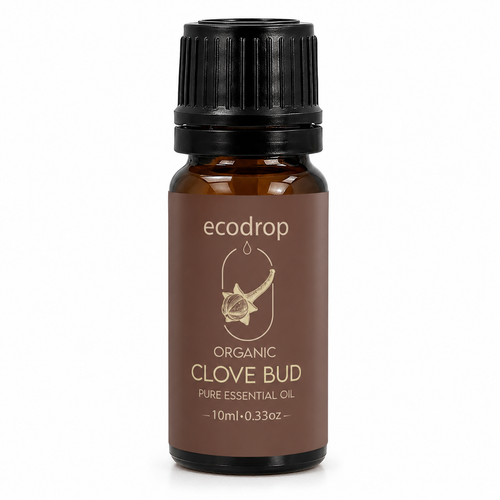
- 2 drops Clove oil
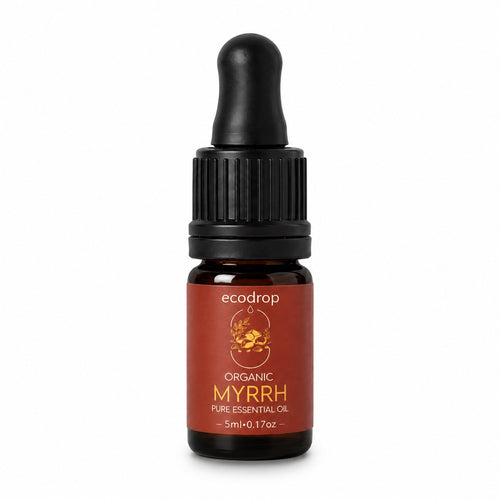
- 2 drops Myrrh oil
The minerals help strengthen and remineralise teeth while the essential oils fight bacteria, reduce gum inflammation and freshen your breath.
How to use myrrh for gums
- Mix all the ingredients in a clean jar or bottle.
- Shake well before each use, as the oils settle on top.
- Take a small sip and swish it around your mouth and gums for 30 to 60 seconds.
- Spit it out. Do not swallow.
- Use it once or twice a day after brushing, and make a fresh batch every week or so.
Pro tip
Essential oils do not mix with water on their own, so always shake the bottle hard just before you pour. That way you never get a strong mouthful of neat oil.
Can myrrh oil help receding gums?
Myrrh can help keep gums clean and calm, which supports healthy gum tissue. No oil can grow back gum that has already receded, though.
If your gums are receding, bleeding or sore, see your dentist first. A myrrh mouthwash can then sit alongside good brushing, flossing and the care your dentist recommends.
Myrrh in toothpaste, tooth powder and mouth rinse
Beyond mouthwash, myrrh is found in tooth powders, mouth rinses and natural toothpastes for daily oral hygiene. It has a slightly bitter, resinous taste, which is why it is usually paired with mint or clove.
The mouthwash above is the simplest and safest way to try myrrh at home, because the oils are well diluted in water.
Other benefits and uses of myrrh essential oil
Besides oral care, myrrh essential oil has many other practical benefits.
- Skin health: helps soothe minor cuts, scrapes and inflammation, and adds antioxidant power to natural skincare.
- Aromatherapy: its warm, earthy scent is calming and can aid meditation and stress relief, especially with frankincense.
- Immune support: traditionally used to support the body against infections, thanks to its antimicrobial properties.
- Oral care: found in tooth powders, mouth rinses and natural toothpaste for daily hygiene.
- Pain relief: some people use it diluted on the skin for sore muscles or minor aches.
These uses show why myrrh has been valued for thousands of years. It is versatile, natural and easy to add to your daily routine. For skin, try our frankincense and myrrh face cream recipe.
Is a myrrh mouthwash safe?
Safety first
Do not swallow the mouthwash. Never put neat essential oil in your mouth or on your gums, and always dilute it as in the recipe above.
- If you have gum disease, keep up your dental visits and ask your dentist before using a new rinse.
- Not for young children, who may swallow it. Keep oils out of their reach.
- Avoid myrrh if you are pregnant or breastfeeding, unless your GP or midwife says it is fine.
- Stop using it if your mouth stings, burns or becomes irritated.
- Speak to your doctor first if you take medication or have a medical condition.
FAQs
How do you use myrrh for gums?
Add myrrh essential oil to a natural mouthwash with water and salt, as in our recipe. Swish it gently around your gums for 30 to 60 seconds, then spit it out. Never swallow it.
Is myrrh good for teeth and gums?
Yes. Myrrh essential oil can help reduce gingivitis, support stronger teeth and freshen your breath naturally. Its antimicrobial properties make it a classic oral care oil.
What are the benefits of a myrrh mouthwash?
A myrrh mouthwash helps fight bacteria, reduces gum inflammation, supports healthy gums and may help prevent oral infections and mouth ulcers. It also leaves your breath fresh.
Can I use myrrh oil for my teeth?
Yes, as part of a well-diluted mouthwash. The calcium magnesium powder in our recipe helps remineralise teeth, while myrrh, peppermint and clove keep your mouth clean and fresh.
Does myrrh help gum disease?
Many people find a myrrh mouthwash brings relief from gum inflammation and gingivitis. If you have gum disease, ask your dentist before using it and keep up your regular dental care.
How do you make your own essential oil mouthwash?
Mix 1 cup of filtered water with 1 teaspoon of salt, 1 teaspoon of calcium magnesium powder and 2 drops each of myrrh, peppermint and clove. Shake well before each use and swish without swallowing.
How long does homemade mouthwash last?
Make a fresh batch about once a week and keep it in a clean, closed bottle. Throw it away if it looks cloudy or smells off.
The bottom line
Myrrh for gums and oral health is more than a traditional remedy, with centuries of use behind it. A simple mouthwash with myrrh, peppermint and clove can help keep your teeth strong, your gums healthy and your breath fresh. Find myrrh and its partner oils in our essential oils collection, and for more home remedies see our essential oils for cough and cold or bee and wasp sting guide.
New to myrrh? Read our myrrh essential oil guide for uses, blends and safety tips.