









8 æteriske olier til lindring af hoste og forkølelse
The best essential oils for cough and colds, including eucalyptus oil for cough, with steam, chest rub and diffuser recipes.
In this guide
The best essential oils for cough are eucalyptus, peppermint, rosemary, frankincense, tea tree, oregano, bergamot and geranium. You can breathe them in from a bowl of hot water, diffuse them at night, add them to a bath, or mix them with a carrier oil for a chest rub. Here is what each oil does and exactly how to use it for coughs, colds and chest congestion.
Key takeaways
- Eucalyptus is the best-known essential oil for cough. Its main compound, eucalyptol, helps break up mucus.
- Peppermint contains menthol, which relaxes the airways and helps you breathe more easily.
- Steam inhalation, chest rubs and diffusers are the three easiest ways to use oils for a cough.
- Oregano and tea tree are strong germ fighters, so always dilute them well.
- Avoid peppermint in children under 10 and in pregnancy, and see a doctor if a cough lasts more than 3 weeks.
What are the best essential oils for cough and congestion?
Essential oils for congestion and cough can be a simple, natural way to ease a cough or flu symptoms. Each oil works a little differently, so it helps to match the oil to your symptoms.
| Oil | Best for | Easiest way to use |
|---|---|---|
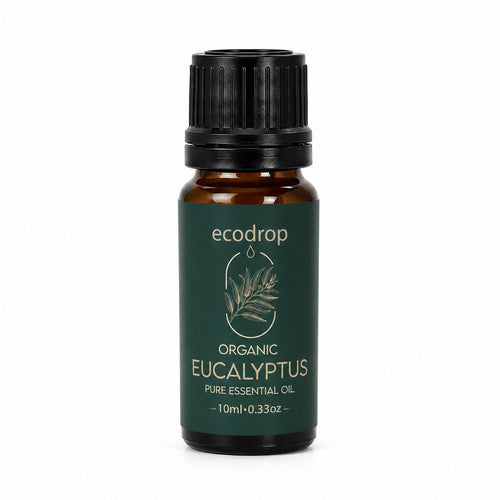
| Eucalyptus | Mucus, chest congestion, blocked nose | Steam, chest rub, diffuser |
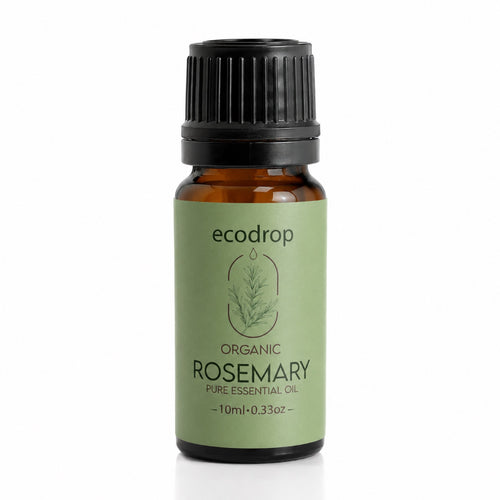
| Rosemary | Loosening mucus, opening airways | Steam or chest massage |
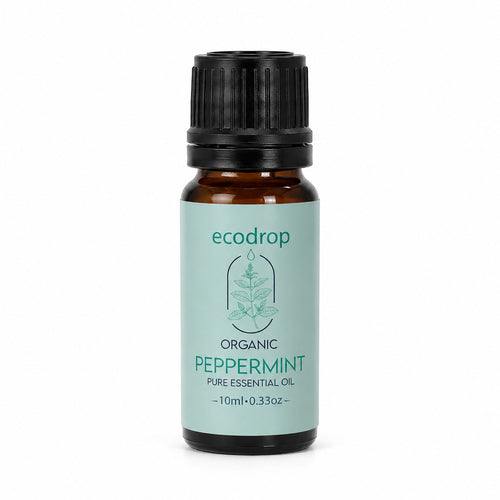
| Peppermint | Tight airways, easier breathing | Steam, diffuser, chest rub |
| Frankincense | Coughs, bronchitis and catarrh | Diffuser or chest rub |
| Oregano | Coughs with a mild infection or flu | Well-diluted chest rub, short steam |
| Bergamot | Night-time coughing and stress | Bedroom diffuser, chest massage |
| Geranium | Gentle comfort during illness | Steam, bath or mild chest rub |
| Tea tree | Cleansing the air, lingering colds | Diffuser or chest rub |
1. Eucalyptus oil for cough
Eucalyptus essential oil is probably the most well-known remedy for breathing problems. It fights bacteria, reduces inflammation, eases pain and relaxes muscles. Its main compound, eucalyptol, helps break up mucus, so breathing feels easier.
How to use eucalyptus oil for a cough:
- Chest rub: mix a few drops (up to 6) with 30ml of carrier oil and rub onto the chest and throat. It helps relieve congestion while gently warming the chest.
- Steam: add a few drops to a bowl of hot (not boiling) water and breathe in the steam for 5 to 10 minutes to clear your nasal passages.
- Diffuser: fill your room with soothing vapours, especially at night for better sleep.
2. Rosemary essential oil for mucus
Rosemary is often overlooked for cough relief, but it is excellent at reducing mucus and opening the airways. It also helps balance emotions and reduce stress while you are feeling unwell.
- Add 3 to 4 drops to a bowl of hot water for steam inhalation to help loosen congestion.
- Mix with a carrier oil for a gentle chest massage to ease tightness in the lungs.
3. Peppermint oil for easier breathing
Peppermint is like a breath of fresh air, literally. Its cooling compound, menthol, relaxes the bronchial muscles, reduces inflammation and helps you breathe more easily. It is also a natural antihistamine for mild allergic reactions.
- Steam: add 2 to 3 drops to hot water and breathe deeply for relief.
- Diffuser: add a few drops to clear the air and soothe breathing discomfort.
- Chest rub: dilute with a carrier oil and apply to the chest for congestion relief.
- Avoid peppermint in children under 10 and during pregnancy.
4. Frankincense for coughs and bronchitis
Frankincense comes from Boswellia trees and has been used for centuries to support the respiratory system. It can help with coughs, bronchitis, asthma and catarrh. Its anti-inflammatory properties make it excellent for reducing swelling in the airways.
- Add 2 to 3 drops to a diffuser to calm and ease breathing.
- Mix with a carrier oil for gentle chest rubs.
- Combine with eucalyptus or peppermint for a strong anti-cough blend.
5. Oregano oil for cough and flu
Oregano is a strong antimicrobial and antiviral oil, perfect for fighting the germs that cause coughs. It is especially useful if your cough comes with a mild infection or flu symptoms.
- Add 1 to 2 drops to 30ml of carrier oil for a chest rub. Always dilute it well, as it is very strong.
- Add it to steam for short periods only, to reduce mucus and congestion.
- Diffuse it with other antiviral oils like tea tree and eucalyptus for flu season support.
6. Bergamot for night-time coughing
Bergamot has a cooling, refreshing effect when you breathe it in. It is also calming for stress, which helps when coughing keeps you awake at night.
- Diffuse it in your bedroom to relax and reduce coughing fits.
- Add a few drops to a carrier oil and gently massage onto the chest.
- Blend with eucalyptus or peppermint for extra breathing support.
7. Geranium oil for gentle comfort
Geranium oil is gentle and soothing, with a fresh, rosy scent. It can help balance the discomfort of congestion and create a calm, uplifting space while you are ill. Our geranium is rose geranium.
- Add it to a steam inhalation or bath to relax while easing breathing symptoms.
- Mix with a carrier oil for a mild chest rub that suits children over 6, when properly diluted.
8. Tea tree oil for cough
Tea tree oil is a strong disinfectant and antibacterial oil, helpful for all kinds of breathing problems. It can help prevent secondary infections from lingering colds.
- Add a drop or two to a diffuser to cleanse the air.
- Mix with a carrier oil for chest rubs.
- Take care with direct steam, as it is strong. A very light amount is safest.
Pro tip
Short on time? Our ready-made Breathe essential oil blend brings together fresh, clearing oils in one bottle. Add a few drops to your diffuser at bedtime.
How to use essential oils for cough and chest congestion
There are four simple ways to use oils for a cough. Use them regularly through cold and flu season to ease congestion, soothe a sore chest and support your body naturally.
| Method | How to do it |
|---|---|
| Steam inhalation | Add 2 to 3 drops to a bowl of hot water. Cover your head with a towel, close your eyes and breathe in the vapour for 5 to 10 minutes. |
| Chest rub | Mix the oils with a carrier oil (about 6 to 12 drops in 30ml) and massage onto the chest and throat. |
| Diffuser | Add a few drops to fill your room with soothing vapours. Run it for 30 to 60 minutes at a time. |
| Bath | Mix a few drops into a spoonful of carrier oil, then add to a warm bath to relax your body and mind. |
For more home recipes, try our 6 breathe easy essential oil recipes and our DIY breathe easy blend guide.
What are the best essential oils to diffuse for a cough?
Eucalyptus, peppermint, tea tree, frankincense and bergamot are the best oils to diffuse for a cough. Eucalyptus and peppermint clear the air and help you breathe. Frankincense and bergamot calm you, which helps at night.
Diffuse in the bedroom for 30 to 60 minutes before sleep, then switch it off. Avoid diffusing peppermint and eucalyptus near babies and young children.
Chesty cough or dry cough: which oils help?
For a chesty cough with mucus or phlegm, choose oils that help loosen it. Eucalyptus and rosemary are the best picks, used as a steam or chest rub.
For a dry, tickly cough, softer oils often feel better. Frankincense and bergamot in a diffuser can help calm the airways and help you rest. Peppermint can also ease tight airways, but use it gently, as strong vapours can make a dry throat feel worse.
Learn more in the benefits of essential oils for colds and coughs.
Are essential oils safe for a cough?
Safety first
See a doctor if your cough lasts more than 3 weeks, if you cough up blood, or if you have chest pain, a high fever or real difficulty breathing. Essential oils support your wellbeing but do not replace treatment.
- Never put oils on skin undiluted. Keep chest rubs at around 1 to 2%, and patch test first.
- Avoid peppermint in children under 10, and avoid diffusing peppermint and eucalyptus near babies.
- Oregano and tea tree are strong. Use only a drop or two, always well diluted.
- If you are pregnant or breastfeeding, check with your GP or midwife first.
- Speak to a doctor first if you have asthma or epilepsy, as strong vapours can trigger symptoms.
- Cats and dogs are sensitive to diffused oils. Give them a way out of the room.
FAQs
How do you use eucalyptus oil for a cough?
Mix a few drops with a carrier oil for a chest rub, or add them to a bowl of hot water and breathe in the steam for 5 to 10 minutes. You can also diffuse it at night.
What essential oils are good for cough and congestion?
Eucalyptus, peppermint, tea tree, rosemary, oregano, frankincense, geranium and bergamot are all effective. Eucalyptus and rosemary are best for loosening mucus.
What is the best essential oil for a cough?
Eucalyptus oil is the most widely used essential oil for a cough, along with peppermint and tea tree. Its eucalyptol helps break up mucus and ease breathing.
Which essential oils help with a chest cold?
For a chest cold, try a chest rub with eucalyptus, frankincense or rosemary in a carrier oil. Steam inhalation with eucalyptus or peppermint also helps clear chest congestion.
Can essential oils help with a cough and bronchitis?
Frankincense has been used for centuries to help with coughs, bronchitis and catarrh, thanks to its anti-inflammatory properties. Always see your GP if you think you have bronchitis.
Can you use essential oils as a cough suppressant?
Essential oils do not stop a cough like medicine. They can ease the irritation behind it, help clear mucus and help you relax, so coughing fits may feel less frequent.
What are the best home remedies for a sore chest and cough?
Steam inhalation, chest rubs with carrier oils and diffusing antiviral essential oils during flu season can all help naturally.
The bottom line
Essential oils for congestion and cough are simple, natural remedies that can make a real difference. From eucalyptus oil for cough to peppermint, tea tree and oregano, these oils help you breathe easier, reduce inflammation and even fight germs. Find them all in our essential oils collection.
For more ways to use it, see our eucalyptus oil guide with uses, blends and safety tips.