



6 DIY Essential Oil Recipes for Respiration: Breathe Easy
How do you mix essential oils for breathing? 6 DIY breathe easy recipes with eucalyptus, peppermint and pine for steam, diffuser and chest rubs.
In this guide
When your nose feels blocked or your chest feels tight, fresh, clearing scents like eucalyptus, peppermint and pine can help you breathe more easily. Below are 6 easy breathe easy essential oil recipes: two diffuser blends, two facial steams, a chest rub and a bath soak, plus the best essential oils for breathing and how to use them safely.
Key takeaways
- The best essential oils for breathing are eucalyptus, peppermint, pine, rosemary and tea tree.
- A classic breathe easy blend is 2 drops eucalyptus, 2 drops lavender, 1 drop lemon and 1 drop myrrh.
- Diffusers and facial steams work fastest for a blocked nose. Chest rubs and bath soaks are best for a slow, warming effect.
- Use 4 to 6 drops in a diffuser and 3 to 5 drops in a bowl of hot water for a steam.
- Always dilute before skin use, and take extra care with young children, asthma and pregnancy.
Which essential oils help with breathing?
Essential oils contain natural compounds that can help support the immune system and the respiratory tract. Oils such as eucalyptus, peppermint, thyme, clove bud and lemon are known for their antimicrobial, anti-inflammatory and antibacterial actions. Many people find they help clear the sinuses, open the airways and ease the aches that come with a cold or flu.
Here are the most popular respiratory essential oils, what they smell like, and how to use them.
| Oil | Why people use it | Best in |
|---|---|---|
| Eucalyptus | Rich in eucalyptol (1,8-cineole) for a cool, clearing feel | Diffuser, steam, bath |
| Peppermint | Menthol gives a fresh, open feeling in the nose and chest | Diffuser, steam |
| Pine | Crisp forest scent that feels like fresh air | Bath, diffuser |
| Rosemary | Herbal and camphor-like, helps a heavy head feel clearer | Bath, steam |
| Tea tree | Known for its antimicrobial actions | Steam |
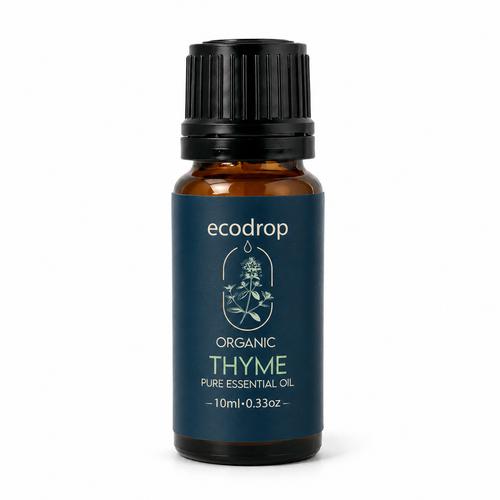
| Thyme | Strong herb with antibacterial actions | Diffuser, steam |
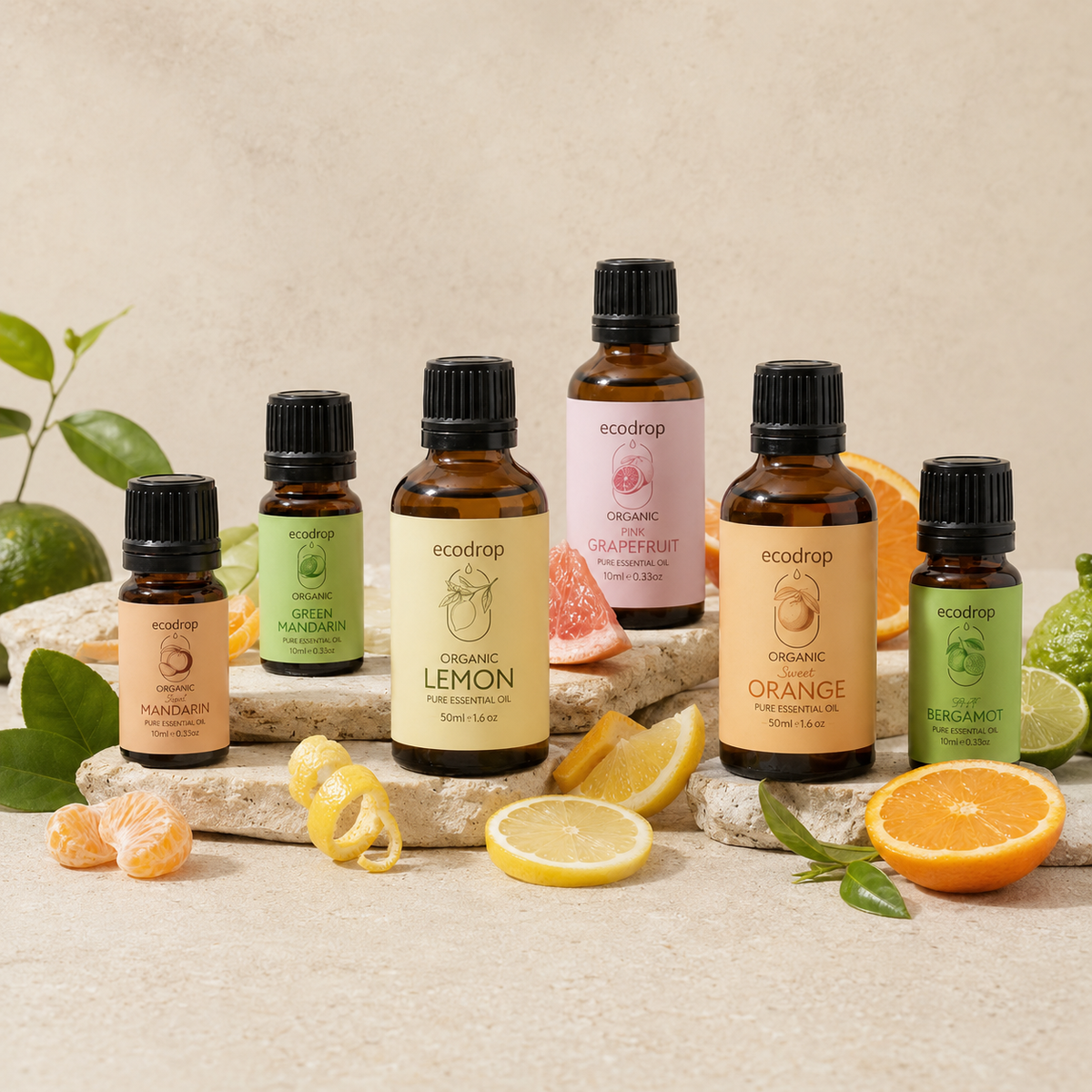
| Lemon | Bright citrus that lifts the mood when you feel run down | Diffuser, steam, rub |
| Lavender | Soft and calming, good for restful breathing at night | Diffuser |
| Frankincense | Warm resin that encourages slow, deep breaths | Steam, diffuser |
| Ginger | Warming spice for tired, achy muscles | Rub, bath |
You can find more detail on each oil in our guide to essential oils for healthy respiration.
Pro tip
Mix one cooling oil (eucalyptus or peppermint) with one soft oil (lavender or lemon). The cooling oil clears, and the soft one rounds off the scent so it never feels too sharp to breathe.
6 breathe easy essential oil recipes
These recipes use simple oils you can mix at home. Start with the diffuser blends, then try a steam or a rub when you feel more blocked.
1. Just Breathe Diffuser Blend
Best for: a blocked nose and a fresh-smelling room
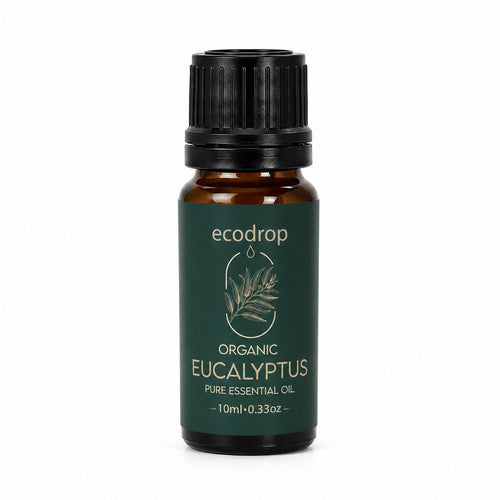
- 2 drops Eucalyptus oil
- 2 drops Lavender oil
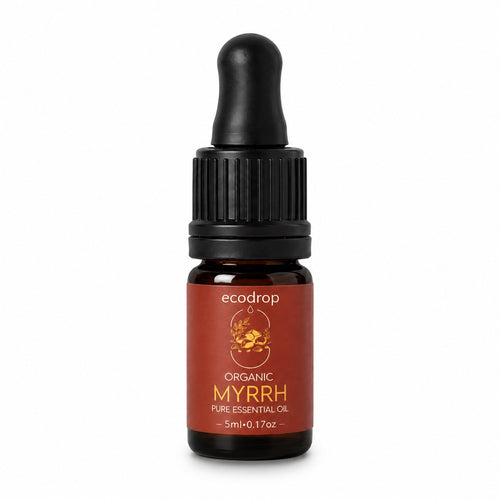
- 1 drop Myrrh oil
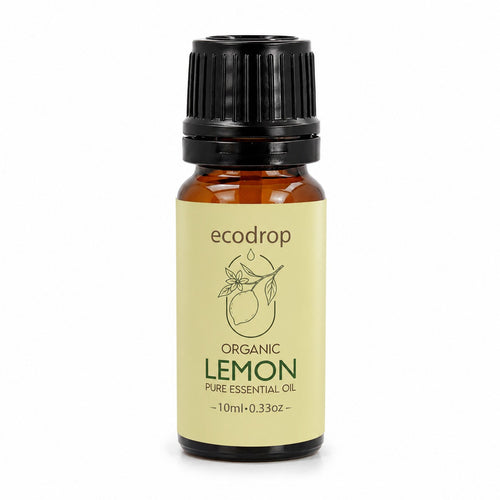
- 1 drop Lemon oil
Our most popular breathe easy blend. Eucalyptus contains eucalyptol, which has antibacterial and anti-inflammatory properties. Lemon is known to support immunity, and lavender keeps the blend calm and relaxing.
2. Relax and Breathe Easy Blend
Best for: congestion and tired, achy muscles
- 2 drops Lavender oil
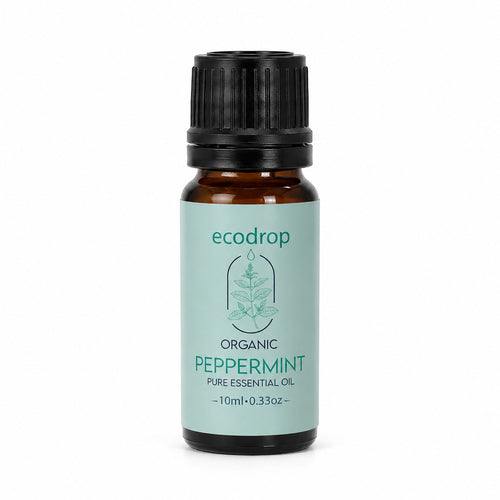
- 2 drops Peppermint oil
- 2 drops Thyme oil
Peppermint is a well-known ally for a stuffy nose. Its anti-inflammatory and antispasmodic actions may help clear the airways, while thyme and lavender add antibacterial support. Diffuse it in the evening.
3. Peppermint Delights Facial Steam
Best for: sinus pressure and a congested head
- 2 drops Peppermint oil
- 1 drop Eucalyptus oil
- 1 drop Tea tree oil
- 1 drop Frankincense oil
Add the drops to a bowl of hot (not boiling) water. Drape a towel over your head, close your eyes and breathe deeply for 5 to 10 minutes. It helps loosen mucus and ease a sinus headache.
4. Refresh Your Senses Facial Steam
Best for: a quick, energising sinus clear
- 2 drops Lemon oil
- 2 drops Eucalyptus oil
- 1 drop Thyme oil
Stimulating and restoring. Use it the same way as the steam above. It helps clear the sinuses and wakes up the senses when a cold leaves you feeling foggy.
5. Simply Breathe Chest Rub
Best for: a warming rub for the chest and throat
- 2 drops Ginger oil
- 2 drops Lemon oil
- 1 drop Clove bud oil
- 1 drop Cedarwood oil
- 30ml Sweet almond, jojoba or grapeseed oil
Mix in a 30ml dropper bottle. Massage over the chest, throat and forehead. Unlike the cooling recipes, this rub feels warm, grounding and comforting at bedtime.
6. Just Breathe Bath Salts
Best for: sore muscles at the start of a cold or flu
- 3 drops Ginger oil
- 3 drops Pine oil
- 2 drops Eucalyptus oil
- 2 drops Rosemary oil
- 1 cup Epsom, sea or pink Himalayan salt
- 1 tbsp Carrier oil of your choice
Mix the oils into the carrier oil first, then stir into the salt and add to a warm bath. The steam helps open the airways while the warmth relaxes tense muscles.
How to use essential oils for breathing
There are four easy ways to use these blends. Pick the one that suits how you feel.
- Diffuser: add 4 to 6 drops to the water in your diffuser. Run it for 30 to 60 minutes, then take a break.
- Facial steam: 3 to 5 drops in a bowl of hot water, 5 to 10 minutes under a towel. Keep your eyes closed.
- Chest rub: no more than 6 drops of essential oil in 30ml of carrier oil, which is about a 1 percent blend.
- Tissue or inhaler: put 1 to 2 drops on a tissue and breathe in gently when you are out and about.
Most humidifiers are not made for essential oils, and the oils can damage the plastic. If you want a scented humidifier recipe, check that your machine has an aroma pad or tray, or use a diffuser instead.
Essential oils for sinus and congestion
For a blocked or stuffy nose, the fastest relief usually comes from steam. Recipes 3 and 4 above are our best essential oil recipes for respiratory congestion. Eucalyptus and peppermint feel cool and open, while tea tree and thyme add their antimicrobial actions.
If your sinuses feel tender, add 1 drop of frankincense. It softens the sharp, minty notes and encourages slow, deep breathing.
Essential oils for colds, coughs and flu season
During the cold and flu season, keep a breathe easy blend running in the rooms you use most. Recipe 1 is a good everyday choice. When a cough or tight chest keeps you up at night, use the warming chest rub (recipe 5) before bed and a lavender-based diffuser blend in the bedroom.
For more ideas, read our breathe easy blend guide and our post on essential oils for colds and coughs.
Safe use
Safety first
If you have real difficulty breathing, chest pain or a high fever, seek medical help straight away. Essential oils support your wellbeing but do not replace treatment.
- Always dilute essential oils in a carrier oil before skin use, and never apply them neat.
- Keep oils well away from the eyes, and take care with facial steams as the water is hot.
- Do not use peppermint or eucalyptus on or near the face of children under 6.
- If you have asthma, start with a very small amount in a well-aired room, as strong scents can trigger symptoms.
- Patch test first if your skin is sensitive, and keep oils away from children and pets.
- Take extra care, and ask a qualified practitioner, if you are pregnant, breastfeeding or have a health condition.
FAQs
What is the best essential oil for breathing?
Eucalyptus is the most popular choice, thanks to its high eucalyptol content. Peppermint comes a close second. Many people blend the two with lavender or lemon for a softer scent.
How do you make a breathe easy essential oil blend?
Mix 2 drops eucalyptus, 2 drops lavender, 1 drop lemon and 1 drop myrrh in your diffuser. For a stronger blend, swap the lavender for peppermint or pine.
Which essential oils help with breathing difficulties at night?
Lavender, eucalyptus and frankincense make a calm night blend. Diffuse them for 30 minutes before bed, or use the warming chest rub. If breathing feels hard or frightening, speak to a doctor first.
Can I put essential oils in a humidifier?
Only if the humidifier says it is safe for oils or has an aroma tray. Otherwise use a diffuser, as oils can damage a standard humidifier tank.
Are essential oils good for the lungs?
Oils like eucalyptus, pine and thyme are traditionally used to support the respiratory system and help you breathe more freely. They work best alongside rest, fluids and fresh air.
Which essential oils are popular for the cold and flu season?
Eucalyptus, peppermint, lemon, thyme, pine, ginger and lavender are firm favourites. The recipes above combine them in diffuser blends, facial steams, a chest rub and a bath soak.
Is a facial steam suitable for everyone?
Take care, as the steam is hot. Keep a comfortable distance from the water and close your eyes. Avoid steams if heat makes you uncomfortable, and stop if you feel any irritation.
How should I store these blends?
Keep finished blends in a labelled, dark glass bottle in a cool place, away from direct sunlight and out of reach of children and pets.
The bottom line
Eucalyptus, peppermint and pine are the best essential oils for breathing, and they are easy to use at home. Start with the Just Breathe diffuser blend, then try a steam or chest rub when you feel more blocked. Find every oil in these recipes in our essential oils collection.