




What Are the Benefits of Essential Oils for Colds and Coughs?
The best essential oils for colds and coughs, with tea tree, eucalyptus and lemon, and easy ways to use them for steam and diffuser.
In this guide
The best essential oils for colds and coughs are eucalyptus, peppermint and tea tree, with thyme, rosemary, lavender and lemon close behind. They will not cure a cold, but they can ease a blocked nose, soothe a tickly throat, help loosen a chesty cough and help you sleep while your body recovers. Here is how each oil helps, which one suits your symptoms, and how to use them safely.
Key takeaways
- Eucalyptus and peppermint are the most popular oils for a cold. They help open the airways so breathing feels easier.
- Tea tree, thyme and cinnamon are known for their germ-fighting properties.
- Lavender and chamomile help you relax and sleep, which is vital for getting better.
- Steam inhalation is the quickest way to ease congestion. Diffusers and diluted chest rubs work well at night.
- Avoid peppermint and eucalyptus near children under 6, dilute before skin use, and see a doctor if a cough lasts over 3 weeks.
Do essential oils help with colds?
Yes, many people find they do. Essential oils come from plants and have been used for centuries to bring comfort when you feel run down. Some of them, like eucalyptus and peppermint, are found in many over-the-counter cold remedies.
It is worth being clear about what they can and cannot do. Essential oils can help manage symptoms, but they do not cure the common cold. Some studies suggest real benefits, yet there are no official guidelines for using them, so careful use matters.
The best approach is rest, plenty of fluids and gentle symptom relief. Essential oils fit neatly into that last part, through steam, a diffuser or a diluted rub.
What are the benefits of essential oils for colds and coughs?
Essential oils can help in three main ways while you have a cold or a cough.
1. Easing throat and chest congestion
Breathing in certain oils can bring relief for a tight chest and sore throat. Eucalyptus is known for helping to open the airways. The vapours may help loosen mucus, making it easier to cough up and clearing the nasal passages, so breathing feels more comfortable.
2. Possible germ-fighting effects
Some research suggests that certain essential oils have properties that may fight germs. Tea tree and eucalyptus have been studied for their antiviral and antibacterial effects. They are not a proven cure, but this helps explain their long traditional use during illness.
3. Relaxation and better sleep
Rest is crucial for recovery. A stuffy nose or a cough can keep you awake, and poor sleep slows healing. Lavender and chamomile are often used to promote relaxation, and good sleep also supports a stronger immune system.
What are the best essential oils for colds?
These are the most useful aromatherapy oils for colds, and what each one is known for.
| Oil | How it may help | Best in |
|---|---|---|
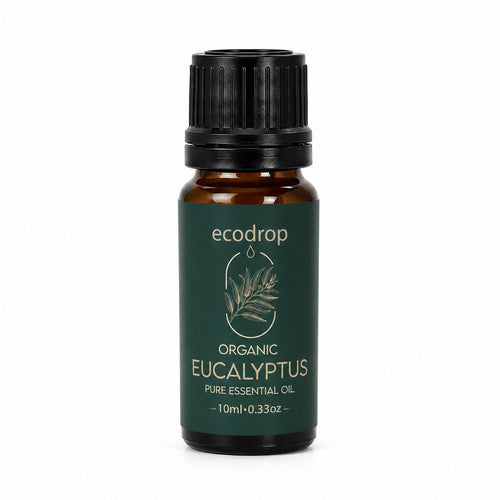
| Eucalyptus | Clears the airways and eases breathing. May have antiviral properties | Steam, diffuser |
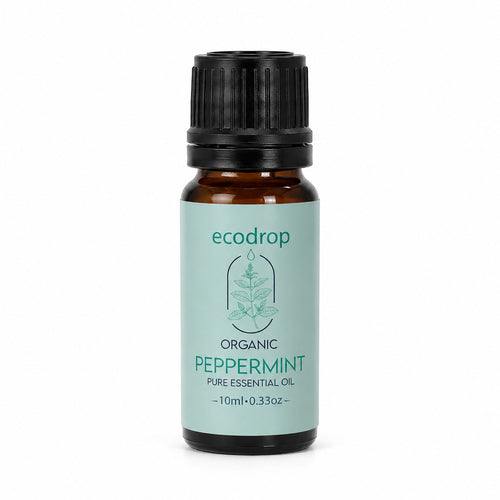
| Peppermint | Menthol gives a cooling feel for a sore throat or stuffy nose | Steam, diffuser |
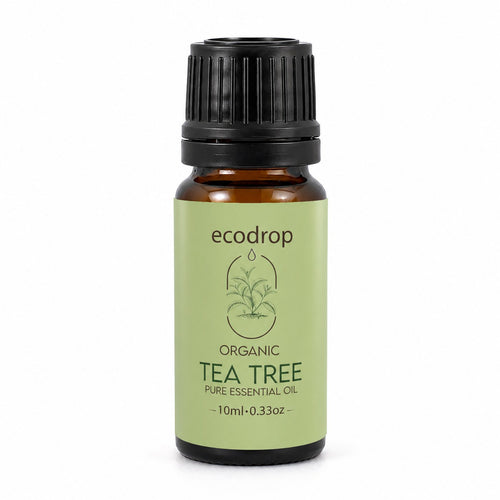
| Tea tree | Studied for its antiviral and antibacterial properties | Steam, diffuser |
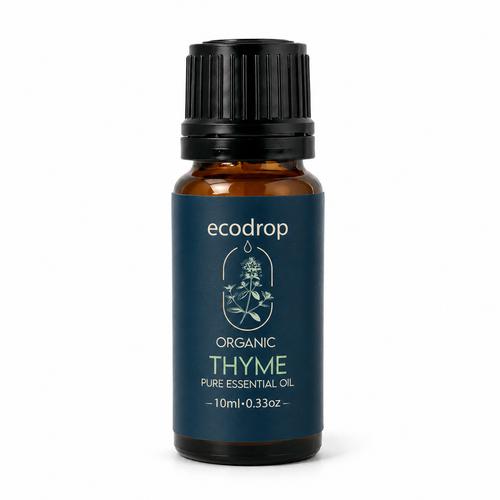
| Thyme | Contains thymol and carvacrol, believed to be antibacterial | Steam, diffuser |
| Rosemary | Rich in cineole like eucalyptus, but milder | Steam, chest rub |
| Cinnamon bark | Antimicrobial, may slow the growth of some bacteria | Diffuser, steam |
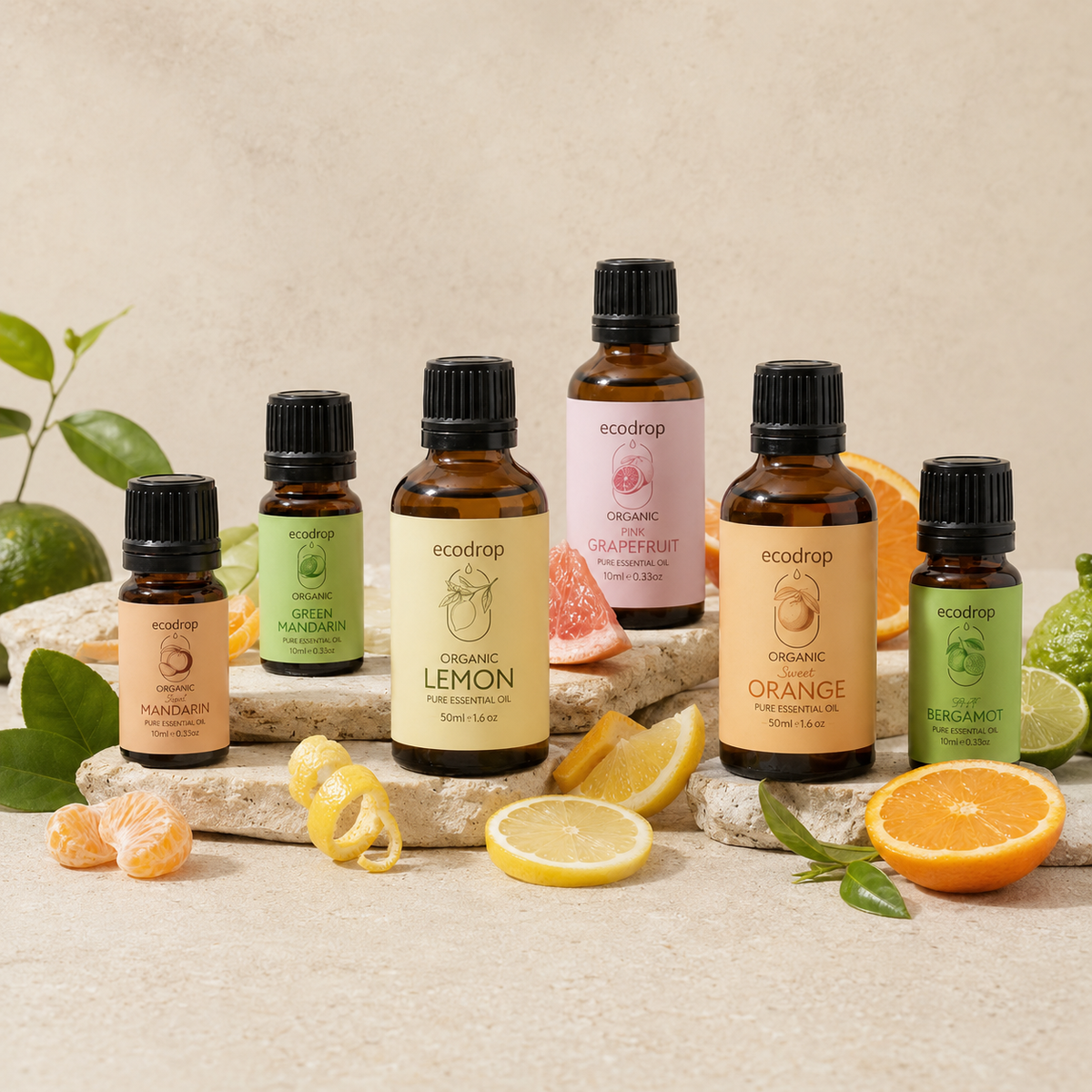
| Lemon | Fresh and uplifting when you feel run down | Diffuser, steam |
| Lavender | Helps you relax and sleep better | Diffuser, pillow, chest rub |
| Chamomile | Calming and soothing at bedtime | Diffuser, chest rub |
If you only buy one, choose eucalyptus. It is a common ingredient in cold and cough products for good reason.
Which essential oil is best for your cold symptoms?
A cold can sit in your head, your throat or your chest. Matching the oil to the symptom helps you get the most from it.
Best essential oils for a head cold
For a blocked nose, sinus pressure and a heavy head, eucalyptus and peppermint are the top picks. Use them as a steam for the fastest relief. Rosemary is a gentler choice if eucalyptus feels too strong.
Essential oils for a chest cold
For a tight chest and a chesty cough, try eucalyptus, thyme or rosemary. Use them in a steam to loosen mucus, or in a diluted chest rub before bed. Thyme is sometimes used to support the lungs during bronchitis.
Essential oils for colds and a sore throat
Peppermint's cooling menthol can make a sore throat feel calmer when you breathe it in. Pair it with lavender in a diffuser so the scent stays soft.
Essential oils for a cough at night
Lavender and chamomile help you relax when coughing keeps you awake. Add one drop of eucalyptus to help keep the airways clear while you sleep.
Pro tip
Pair one clearing oil (eucalyptus, peppermint or tea tree) with one soft oil (lavender or lemon). The clearing oil does the work, and the soft oil keeps the scent pleasant to breathe all day.
What essential oils help with coughing?
For a cough, essential oils may ease the symptoms, though they do not treat the cause. Eucalyptus oil for cough is the classic choice thanks to its respiratory benefits. Thyme, rosemary and cinnamon each bring something a little different.
- Thyme: its thymol and carvacrol are believed to have antibacterial properties that may support respiratory health.
- Rosemary: shares some properties with eucalyptus thanks to cineole, and some studies suggest its aroma can ease respiratory discomfort.
- Cinnamon: has antimicrobial properties that may stop some bacteria from growing in the respiratory system.
For a full oil-by-oil guide, read our top 8 essential oils for cough and cold relief.
How to use essential oils for a cold
Essential oils are strong, so never put them straight onto your skin. These are the safest and most useful ways to use them.
Steam inhalation
Steam is especially good for loosening chest congestion.
- Fill a large bowl with hot (not boiling) water.
- Add 5 to 7 drops of your chosen oil, such as eucalyptus or peppermint.
- Lean over the bowl at a safe distance (about 25cm) and cover your head with a towel.
- Close your eyes and breathe in deeply through your nose for a few minutes. Repeat as needed.
Out and about? Breathe in from the bottle, put a drop on a tissue or cotton ball, or add a drop to your pillowcase before bed.
Chest rub with a carrier oil
Mix your essential oil with a carrier oil such as coconut, jojoba, sweet almond, olive or grapeseed oil, then rub it onto the chest or back. Always patch test a small area first.
| Who | Drops of essential oil | Carrier oil |
|---|---|---|
| Adults | 6 to 12 drops (about 1 to 2%) | 30ml |
| Children over 6 | About 3 drops | 30ml |
Keep cinnamon bark for the diffuser or steam rather than the skin, as it can irritate even when diluted.
Aromatherapy diffuser
A diffuser fills the room with a fine scented mist, which is ideal for relaxing or sleeping. Add water and a few drops of oil (most diffusers need 4 to 6). Keep the room well aired and run it for 30 to 60 minutes at a time.
- Ultrasonic diffusers use water and vibrations to make a mist.
- Nebulising diffusers use no water and give a stronger scent.
- Heat diffusers warm the oil, which may change its properties.
Stop if you get a headache or feel dizzy, and take extra care around pets and young children.
Does a diffuser help with a cough?
A diffuser can help, especially at night. Breathing in eucalyptus, peppermint or tea tree through a diffuser may help clear the airways, while lavender helps you relax. It works best as gentle, passive support alongside rest and fluids.
If you would rather not mix your own, our ready-made Breathe essential oil blend combines clearing oils in one bottle. For more home recipes, try our 6 breathe easy essential oil recipes.
What essential oil is good for a cold sore?
Tea tree oil and lemon balm (melissa) oil are often suggested for cold sores, thanks to their antiviral and soothing effects. Tea tree oil for cold sores is a popular choice. Always dilute it first and dab on only a tiny amount.
How to choose a good essential oil for a cold
The essential oil market is not tightly regulated, and labels like "therapeutic grade" have no official standard. What is printed on a label does not always match what is in the bottle.
- Look for "100% pure essential oil", with no synthetic fragrance or fillers.
- Check for the plant's Latin name, such as Lavandula angustifolia for lavender.
- Choose brands that share GC/MS test reports, which confirm what is in the oil.
- Look for clear details on where the plants come from and how the oil is made.
Our oils are 100% pure and GC/MS tested, and we show where the plants come from and how each oil is made. You can browse every oil in our essential oils collection.
Are essential oils safe for cold symptoms?
Safety first
See a doctor if a cough is severe, lasts more than three weeks, or comes with difficulty breathing, wheezing or coughing up blood. Essential oils are not a substitute for medical care.
- Children under 6: avoid peppermint and eucalyptus, as they can cause breathing problems in young children. Store all oils out of reach.
- Pregnancy and breastfeeding: ask your GP or midwife before use.
- Swallowing: never swallow essential oils unless a healthcare professional tells you to.
- Skin: always dilute with a carrier oil and patch test first. Undiluted oil can cause rashes or burns.
- Overuse: too much can cause headaches, dizziness or nausea. Less is more.
- Pets: many oils are harmful to animals, especially cats. Keep them out of the room when you diffuse.
Breathing trouble? Our guide to facial steams for allergy relief also covers safe steaming, and our post on essential oils for immune support covers the rest of cold season.
FAQs
What essential oils are good for colds?
Eucalyptus, peppermint and tea tree are the most recommended oils for colds. They can help with congestion and breathing, and tea tree is known for its antimicrobial properties. Thyme, rosemary, lemon and lavender are good additions.
What is the best essential oil for a head cold?
Eucalyptus is the best essential oil for a head cold, followed by peppermint. Use 5 to 7 drops in a bowl of hot water and breathe in the steam to help clear a blocked nose.
What essential oil is good for cough and congestion?
Eucalyptus and peppermint are excellent for cough and congestion, as they can help open the airways and ease breathing. Use them in a steam or a diffuser.
Which essential oil is good for cold and cough?
Eucalyptus is often called the best essential oil for cough and cold symptoms, thanks to its decongestant and expectorant properties. Peppermint and thyme are also helpful.
Is eucalyptus good for a cough?
Yes. Eucalyptus is one of the most popular oils for a cough. Its vapours may help loosen mucus and open the airways, especially when you breathe it in with steam.
Is peppermint oil good for colds?
Peppermint contains menthol, which gives a cooling feeling in the nose and throat. Many people find this comforting when they feel blocked. Keep it away from children under 6.
How do you use an essential oil for a cold?
Use it in a steam, a diffuser, or a chest rub diluted to about 1 to 2% in a carrier oil. Always follow the safety tips above.
Do diffusers help with colds?
A diffuser is an easy way to enjoy the benefits of essential oils around your home. Eucalyptus, tea tree and lemon are good choices by day, and lavender is lovely at night.
The bottom line
Essential oils can offer real comfort for cold and cough symptoms, but they are not a cure. Use eucalyptus or peppermint in a steam for a blocked nose, a diluted chest rub for a tight chest, and lavender in a diffuser to help you sleep. Rest and plenty of fluids are still the most important parts of getting better. Find every oil in this guide in our essential oils collection.