








Une routine de pleine conscience simple pour soulager le stress avec des huiles essentielles
Easy ways to reduce stress daily: a simple 5 step mindfulness routine using your breath, gratitude and calming essential oils.
In this guide
One of the easy ways to reduce stress daily is a short mindfulness routine: a quiet spot, slow breathing, a calming scent and a moment of gratitude. It takes 5 to 10 minutes, and natural essential oils such as lavender, frankincense and peppermint help your mind settle faster. Here is the simple 5 step routine, the best oils to use and when to practise it.
Key takeaways
- Mindfulness means paying attention to the present moment, without worrying about the past or the future.
- Regular practice helps reduce stress and anxiety, improves focus, supports better sleep and helps emotional balance.
- The best essential oils for mindfulness are lavender, frankincense and peppermint.
- The routine has 5 steps: find a quiet place, breathe, use your oil, stay present and end with gratitude.
- Start with 5 to 10 minutes a day. Being consistent matters more than being perfect.
What is mindfulness and why does it matter?
Stress has become part of daily life. Work pressure, screen time and too little rest mean our minds rarely get a break. Mindfulness is a simple way to give your mind that break.
Mindfulness means being fully present in the moment, without overthinking the past or worrying about the future. It helps you notice your thoughts, feelings and surroundings, instead of being carried away by them.
Even a few minutes a day can make a big difference. Regular practice can:
- Reduce stress and anxiety
- Improve focus and clarity
- Help with better sleep
- Support emotional balance
Why use essential oils for stress relief?
Natural essential oils have long been used for their calming and relaxing effects on the mind and body. They are made from plants and contain natural compounds that can help reduce stress, lift your mood and support emotional balance.
When you breathe in an essential oil, the scent travels from your nose to the parts of the brain linked to mood and memory. Many people find this slows racing thoughts, eases tension and brings a feeling of calm.
Scent also works as an anchor during mindfulness. Each time your mind wanders, the familiar aroma gently brings your attention back to the present moment.
What are the best essential oils for mindfulness and stress relief?
You only need one or two oils to start. These three cover the morning, the evening and everything in between.
| Oil | What it is known for | Best time to use |
|---|---|---|
| Lavender | Soothing, helps reduce stress, promotes relaxation and better sleep | Evening and before bed |
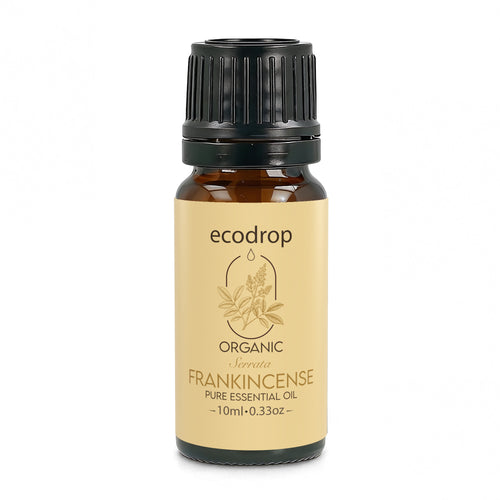
| Frankincense | Grounding, supports emotional balance and deep breathing | Any time you meditate |
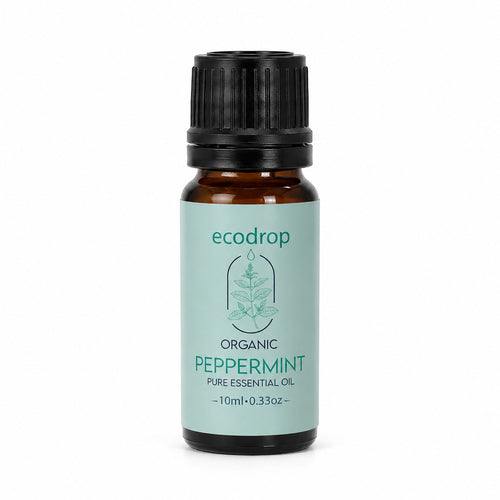
| Peppermint | Fresh and cooling, clears the mind and boosts mental energy | Morning or a midday slump |
Lavender is perfect for evening routines. Frankincense has been used in meditation for centuries and is ideal for staying present. Peppermint is the one to reach for when you need a clear head and more focus.
A simple 5 step mindfulness routine for stress relief
You do not need any special setup. A few minutes and a calm space are enough.
1. Find a quiet place
Sit comfortably somewhere you will not be disturbed. Put your phone in another room so your mind can fully relax.
If you have a diffuser, add 3 to 5 drops of essential oil to the water a few minutes before you start. A natural scent helps your mind settle faster.
2. Focus on your breathing
Close your eyes and take slow, deep breaths.
- Breathe in slowly through your nose.
- Hold for a few seconds.
- Breathe out gently.
Notice only your breath and how your body feels. This simple step helps your body relax and reduces stress naturally.
3. Use your essential oil
Breathe in the scent from your diffuser, or put a drop on a tissue and hold it near your nose. You can also apply a diluted oil to your wrists or temples, mixed with a carrier oil first (see the safety section).
As you breathe in, pay attention to the fragrance. Let it calm your thoughts and bring you back to the present moment.
4. Stay present
Your mind will wander, and that is completely normal. When it does, gently bring your attention back to your breath or the scent.
Do not judge your thoughts. Just notice them and let them pass.
5. End with gratitude
Before you finish, think of a few things you are thankful for. This small step helps shift your mindset, reduce negative thoughts and leave you feeling more positive and relaxed.
Pro tip
Use the same oil every time you practise. Your brain soon links that scent with feeling calm, so just smelling it can help you relax on a stressful day.
When is the best time to practise mindfulness?
You can practise any time, but some moments work especially well.
- Morning: start your day with a calm, clear mind. Peppermint is a good choice.
- Evening: relax after a busy day with frankincense or lavender.
- Before sleep: improve sleep quality and reduce stress with lavender.
How do you make mindfulness a daily habit?
Building a routine is the key to seeing results. These small tips make it easier.
- Start with just 5 to 10 minutes a day.
- Aim to be consistent, not perfect.
- Use your oils regularly so the scent becomes a calming cue.
- Choose the same quiet, comfortable spot each time.
- Keep distractions, like your phone, out of the room.
Choosing organic, plant-based oils means you avoid harsh synthetic fragrances. You can find calming oils for relaxation and stress relief in our essential oils collection.
If you enjoy this routine, try our guide on how to use essential oils for meditation, or see the top 7 essential oils for stress relief for more calming choices.
Is it safe to use essential oils during mindfulness?
Safety first
Never apply essential oils to your skin undiluted. Mix 1 to 2 drops with a teaspoon of carrier oil, such as sweet almond or jojoba, before putting it on your wrists or temples. Keep oils away from your eyes.
- Patch test a diluted oil on your inner arm before using it more widely.
- Keep oils out of reach of children. Avoid diffusing peppermint near babies and young children.
- Cats and dogs are sensitive to scent. Diffuse in a well-aired room and let pets leave if they want.
- If you are pregnant, breastfeeding or have a health condition, check with your GP first.
FAQs
What are easy ways to reduce stress daily?
A short mindfulness routine is one of the easiest. Sit somewhere quiet, breathe slowly, enjoy a calming scent such as lavender and end with a moment of gratitude. Five to ten minutes a day is enough.
How do essential oils help with mindfulness?
Their natural aroma helps calm the mind. A soothing scent improves focus, reduces stress and keeps your attention on the present moment.
Can mindfulness really reduce stress and anxiety?
Yes. Regular mindfulness practice can help reduce stress, anxiety and overthinking. It relaxes the mind, improves emotional balance and creates a feeling of calm.
How can I use essential oils during mindfulness?
Use them in a diffuser, breathe them in from a tissue, or dilute them in a carrier oil and apply to your wrists or temples while you practise deep breathing.
Which essential oil is best for sleep and relaxation?
Lavender is one of the best oils for relaxation and sleep support because of its calming, soothing scent. For more ideas, try our lavender diffuser blends.
How long should a mindfulness session be?
Start with 5 to 10 minutes. As it becomes a habit, you can make it longer, but a short daily session is better than a long one now and then.
The bottom line
Mindfulness is a simple but powerful way to reduce stress and improve your daily life. Pair the 5 step routine with lavender, frankincense or peppermint, start with a few minutes a day, and over time you will notice a positive change in your mind and wellbeing. Find your calming oil in our essential oils collection.
This information is not meant to treat or diagnose any medical condition, and it does not replace professional medical advice. Always consult a healthcare practitioner for treatment. Take care if you are diabetic, epileptic, pregnant, breastfeeding or have a serious health condition.

Continuez à lire


