


Top 7 Essential Oils for Stress Relief and Relaxation
The 7 most relaxing essential oils for stress relief and sleep, with how to use each one in a diffuser, bath or massage blend.
In this guide
The best essential oils for stress and anxiety are lavender, Roman chamomile, frankincense, bergamot, ylang ylang, clary sage and sandalwood. Aromatherapy for stress relief is simple: diffuse a few drops, add them to a warm bath, or dilute them for a calming massage. This guide covers what each oil does, how to use it and how to stay safe.
Key takeaways
- Lavender and Roman chamomile are the most relaxing essential oils, especially for sleep.
- Bergamot lifts your mood while calming nerves, and frankincense slows the breath for meditation.
- Ylang ylang, clary sage and sandalwood help with tension, overthinking and emotional balance.
- Diffuse 4 to 6 drops, or dilute to about 1 to 2% in a carrier oil for skin, bath or massage.
- Never use oils undiluted on skin, and take care around children, pregnancy and pets.
How does aromatherapy help with stress and relaxation?
Essential oils for relaxation are a natural way to calm the mind and body in a busy world. When you breathe in a calming scent, it can help you slow down, breathe more deeply and feel more settled.
These plant extracts can support emotional balance, mental clarity and overall wellbeing. Many people use them as part of an evening wind-down, at work during stressful moments, or before bed.
The 7 best essential oils for stress and anxiety at a glance
| Oil | Known for | Best way to use |
|---|---|---|
| Lavender | Calm, less anxiety, better sleep | Diffuser, temples and wrists (diluted), before bed |
| Roman chamomile | Soothing tension, restful sleep | Warm bath or evening diffuser |
| Frankincense | Deep breathing and grounding | Diffuser during meditation, pulse points |
| Bergamot | Lifting mood while calming nerves | Daytime diffuser, neck and shoulders |
| Ylang ylang | Lower heart rate, a sense of peace | Diffuser or natural perfume oil |
| Clary sage | Balancing cortisol, steady mood | Diffuser, abdomen or wrists (diluted) |
| Sandalwood | Grounding, less overthinking | Workspace diffuser, chest before breathwork |
Lavender: the classic calming essential oil
Lavender is one of the most well-known oils for relaxation. It is widely recognised as a relaxing essential oil for stress and anxiety, and it is gentle enough for most people to enjoy.
- Helps reduce anxiety and support sleep
- Promotes a sense of calm and wellbeing
How to use: diffuse a few drops in the evening, or dilute and apply to your temples and wrists before bed.
Roman chamomile: for relaxation and sleep
Roman chamomile has a soft, sweet, apple-like scent. It is one of the best essential oils for relaxation and stress relief, and a lovely choice for the end of the day.
- Soothes the nervous system and reduces tension
- Supports emotional balance and restful sleep
How to use: add to a warm bath (mixed into a carrier oil first) or diffuse during your evening wind-down.
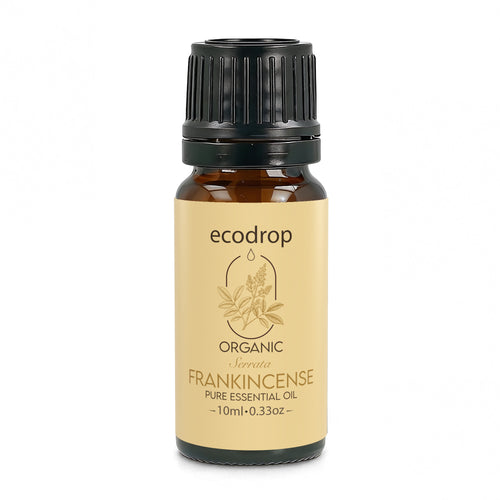
Frankincense: an aromatherapy stress relief oil
Frankincense has a warm, woody, resinous scent that has been used for centuries in meditation. It is a key aromatherapy stress relief oil for calming routines.
- Promotes deep breathing and a meditative state
- Calms the mind and supports spiritual grounding
How to use: diffuse during meditation, or apply diluted oil to your pulse points and chest. For more ideas, try our frankincense blends for stress relief and sleep.
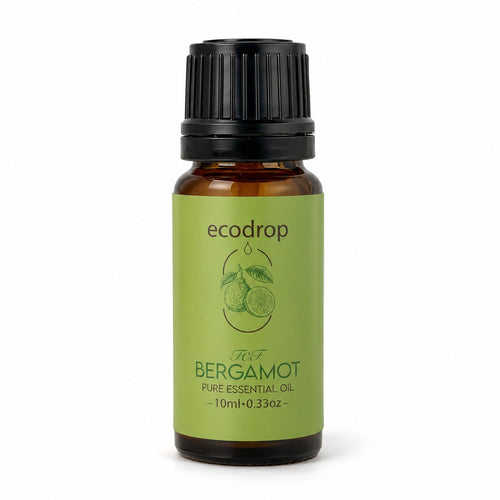
Bergamot: a calming oil that lifts your mood
Bergamot is a bright citrus oil with a soft floral edge. It is an effective essential oil for stress and anxiety, and a good pick for the daytime when you want to feel calm but not sleepy.
- Uplifts mood while calming nerves
- Supports emotional balance
How to use: diffuse throughout the day, or apply (diluted) to the neck and shoulders.
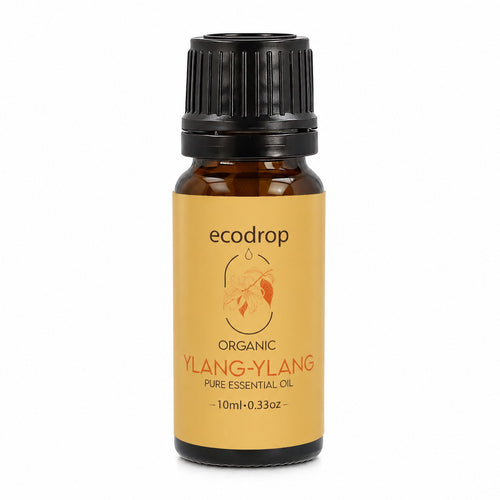
Ylang ylang: a relaxing floral oil
Ylang ylang has a rich, sweet, exotic scent. It is a favourite among relaxing essential oils for stress relief, and a little goes a long way.
- Known to help reduce heart rate and blood pressure
- Promotes relaxation and a sense of peace
How to use: use it in a diffuser, or wear it as a calming natural perfume. One drop in a blend is often enough.
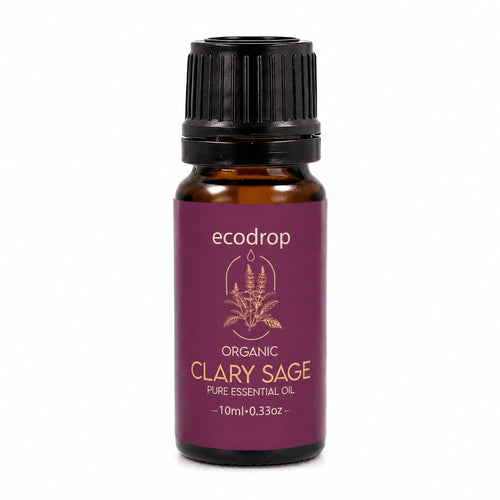
Clary sage: for stress and anxiety
Clary sage has a nutty, herbal, slightly sweet scent. It is a powerful essential oil for relaxation and stress support.
- Helps balance cortisol, the stress hormone
- Supports mood stability and clarity
How to use: diffuse during stressful moments, or apply diluted oil to the abdomen or wrists. Avoid clary sage if you are pregnant.
Sandalwood: a grounding, calming oil
Sandalwood has a smooth, creamy, woody scent that feels warm and steady. It is an ideal essential oil for relaxation and aromatherapy stress relief.
- Grounding and centring
- Helps reduce overthinking and anxiety
How to use: diffuse in your workspace, or apply diluted oil to your chest before breathwork.
Pro tip
Pair a soft oil with a grounding one. Lavender with frankincense, or bergamot with sandalwood, gives you a calming blend that feels balanced. If you would rather not mix your own, our Calming Oil Blend Collection is ready to use.
How to use aromatherapy for stress relief
There are four easy ways to use calming aromatherapy oils at home. Pick the one that fits your day.
| Method | How | Good for |
|---|---|---|
| Diffuser | 4 to 6 drops in water. Run for 30 to 60 minutes. | Calming a room, work, bedtime |
| Bath | Mix 5 to 6 drops into a tablespoon of carrier oil, then add to warm water. | Evening relaxation and tension |
| Massage | About 12 drops in 30ml of carrier oil (a 2% blend). | Neck, shoulders and tight muscles |
| Pulse points | Use your diluted massage blend on wrists, temples, neck or chest. | Stressful moments on the go |
For a stress relief bath oil, always mix the essential oil into a carrier first. Oil and water do not mix, so undiluted drops can sit on top of the water and irritate your skin. If you have sensitive skin, use fewer drops and choose gentle oils like lavender or Roman chamomile.
Which essential oils are gentle for stress?
If you are new to aromatherapy or have sensitive skin, start with the gentlest calming oils. Lavender and Roman chamomile are the softest choices. Frankincense and sandalwood are also mild and comforting.
For a relaxing night-time oil, lavender, Roman chamomile and sandalwood are the most popular picks. Diffuse them for 30 minutes before bed, or use a diluted blend on your wrists. You can find more evening ideas in our lavender diffuser blends to de-stress.
Is aromatherapy for stress safe?
Safety first
Never put essential oils on your skin undiluted. Mix them with a carrier oil such as sweet almond or jojoba first, at around 1 to 2 percent.
- Patch test a diluted blend on a small area of skin and wait 24 hours before wider use.
- Keep oils out of reach of children, and use fewer drops around young children.
- If you are pregnant or breastfeeding, check with your GP or midwife first. Avoid clary sage in pregnancy.
- Cats and dogs are sensitive to diffused oils. Keep sessions short and leave pets a way out of the room.
- Bergamot can make skin sensitive to sunlight, so avoid strong sun on areas where you have applied it.
- If stress or anxiety is affecting your daily life, speak to your GP. Essential oils support your wellbeing but do not replace treatment.
Looking for simple mixes? Try our DIY essential oil recipes for anxiety relief.
FAQs
Which essential oil is best for relaxation?
Lavender and Roman chamomile are the top relaxing essential oils. They help reduce stress, promote sleep and give a sense of calm. Using them in a diffuser or a massage blend boosts their stress-relieving benefits.
What are the best essential oils for stress and anxiety?
Lavender and clary sage are widely seen as the best essential oils for stress relief. Bergamot, ylang ylang, frankincense, sandalwood and Roman chamomile are also excellent. They can be blended together for an even calmer effect.
What oil has a calming effect?
Bergamot, ylang ylang and clary sage are known calming essential oils. They can reduce anxiety, lower heart rate and support emotional balance when used in aromatherapy or massage.
Where do you apply essential oils for stress?
Apply diluted oils to pulse points such as the wrists, temples, neck and chest. Always dilute with a carrier oil first. Diffusing oils in your room is another easy way to enjoy their calming benefits.
What aromatherapy oil is good for stress?
Frankincense, sandalwood and bergamot are excellent aromatherapy stress relief oils. They can be diffused or applied to skin (diluted) to reduce tension and support relaxation naturally.
Which scent is most recommended for stress relief?
Floral and citrus scents like lavender, ylang ylang and bergamot are the most recommended. These scents help soothe nerves, lift your mood and bring emotional balance during stressful moments.
What is the best stress relief bath oil?
Lavender and Roman chamomile make the best stress relief bath oils, and both suit sensitive skin. Mix 5 to 6 drops into a tablespoon of carrier oil before adding it to a warm bath.
How do you use aromatherapy for stress relief?
Use calming essential oils in a diffuser, bath or massage oil blend. Aromatherapy helps reduce anxiety and tension while supporting relaxation and sleep. Always dilute with a carrier oil for skin use.
The bottom line
Relaxing essential oils offer a natural, holistic way to ease stress and anxiety. From lavender and chamomile to bergamot and sandalwood, these oils help calm the mind, soothe tension and support better sleep. Explore single oils and calming blends in our essential oils collection and build a routine that brings you daily calm.