









Kapha in balans brengen met etherische oliën
Which essential oils balance kapha dosha? Warming, energising oils and Ayurvedic blends to lift heaviness and stagnation.
In this guide
The best essential oils for Kapha dosha are warm, spicy and stimulating, such as ginger, eucalyptus and marjoram. If you feel sluggish, sleepy, heavy or a little low, Ayurveda says your Kapha may be out of balance, and these lively scents can help lift your mood and get you moving.
Key takeaways
- Kapha is the Ayurvedic dosha of earth and water: stable, calm and caring when in balance.
- Out of balance, Kapha can feel heavy, stuck, sleepy and unmotivated.
- Warm, spicy, stimulating oils suit Kapha best. Very sweet, heavy oils are kept to a minimum.
- Our top picks are ginger, eucalyptus and marjoram.
- Movement, an early start and variety in your routine matter just as much as the oils.
What is Kapha dosha?
Kapha is one of the three energy types, or doshas, in Ayurveda. Each of us carries all three in varying amounts, yet one or two tend to lead. When our doshas feel balanced, we tend to feel more harmonious.
Kapha is the mix of earth and water, in other words, mud. Picture the firm, steady nature of wet earth and you begin to understand this dosha. It is linked with stability, structure, routine and reliability.
Kapha people are down to earth, genuine, patient and calm. They are natural nurturers and make wonderful carers. When Kapha is out of balance, though, they can feel sluggish, stubborn and heavy. Specific essential oils are a lovely way to help stimulate and uplift Kapha.

Kapha characteristics
Physical features
Kapha types often have a strong build, broad shoulders and a well-developed frame. They tend to have soft, smooth skin, thick hair and large eyes with a gentle gaze. They have a hearty appetite with a slow but steady digestion.
Mental characteristics
Loyal, patient, careful and, above all, calm. Their love of routine makes them very reliable team players, and they stay grounded when things get chaotic. They also have an excellent long-term memory for even the smallest details.
Emotional qualities
Kapha types are thoughtful, affectionate and kind, with plenty of love to give. They love home and family life and enjoy life's comforts, from good food to beautiful art. In balance, they hold an inner peace not seen as much in Pitta or Vata dosha.
What are the signs of an out-of-balance Kapha?
When sturdiness turns into stagnation, there is too much Kapha. Just like being stuck in the mud, an out-of-balance Kapha can end up going nowhere slowly.
| Area | What it can look like |
|---|---|
| Body | Slower metabolism, easy weight gain, water retention, a congested feeling, and feeling worse in cold, damp weather |
| Mind | Stuck in your ways, stubborn, foggy and heavy, with strong cravings and low motivation |
| Emotions | Giving too much, staying in situations too long, oversleeping, low mood and comfort habits like over-eating or binge-watching |

Which essential oils are best for Kapha dosha?
When choosing essential oils for Kapha, focus on warm, spicy and stimulating aromas, and avoid overly sweet ones. Here are our three favourites, plus a few more to try.
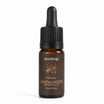
Ginger essential oil
Ginger essential oil has a warm, spicy aroma that is stimulating and comforting, well suited to an out-of-balance Kapha. Its lively scent helps lift the mood and encourage positivity and motivation.
Eucalyptus essential oil
Often called nature's most refreshing oil, eucalyptus has been used for generations in Indian, Chinese and Greek traditions. Its clearing, invigorating aroma freshens a stuffy room and lifts the spirits. This crisp scent clears away mental cobwebs and supports a sense of well-being.
Marjoram essential oil
Marjoram belongs to the mint family, which gives it a stimulating, uplifting quality. Unlike mint, it has a warming aroma that calms a busy mind and soothes the senses. The Ancient Greeks called it the herb of happiness, making it a perfect pick-me-up for a low Kapha.
| Oil | Scent | Helps with |
|---|---|---|
| Ginger | Warm and spicy | Low motivation and mood |
| Eucalyptus | Fresh and clearing | Stuffy rooms and a foggy head |
| Marjoram | Warm and herbal | Lifting a low, heavy mood |
| Black pepper | Warm and peppery | Feeling sluggish and cold |
| Rosemary | Sharp and herbal | Morning energy and focus |
| Lemon | Bright citrus | A fresh, lighter feeling |
You can find every one of these in our essential oils collection.
How to use essential oils for Kapha
Add a few drops to a diffuser or oil burner, especially in the morning to help you feel brighter. You can also dilute them in a carrier oil for a warming, invigorating massage. Always patch test new oils and dilute before they touch your skin.
Pro tip
Diffuse ginger or eucalyptus as soon as you get up, instead of hitting snooze. For more lively morning blends, try our 5 energising diffuser blends.
How to balance Kapha dosha naturally
Simply noticing an imbalance gives you the chance to gently put it right. The key to balancing Kapha is variety, joy and stimulation. Find lots of activities you enjoy and change up your routine as often as you can.
- Move your body in a way that feels good, and find a workout buddy to keep you going.
- Choose cardio that gets the blood pumping, such as jogging, dancing, swimming or hiking.
- Wake up early and try to avoid naps.
- Keep warm and dry, as damp aggravates Kapha.
- Spend time in the sun to feel energised.
- Eat light, vibrant food like fruit, vegetables, beans and light grains, and ease back on heavy starches.
Safety tips
Safety first
Never use essential oils neat on the skin. Dilute them in a carrier oil at around 1 to 2 percent, and patch test first.
- Keep oils out of reach of children, and avoid diffusing eucalyptus near babies and young children.
- Diffuse away from cats and always give pets a way out of the room.
- If you are pregnant or breastfeeding, check with your GP or midwife first.
- Lemon can make skin sensitive to sunlight, so avoid the sun where you have applied it.
FAQs
What essential oils are good for Kapha dosha?
Warm, spicy and stimulating aromas suit Kapha best. Ginger, eucalyptus and marjoram are lovely choices, while very sweet, heavy oils are usually kept to a minimum.
What is the best oil for Kapha dosha?
Ginger is a great all-rounder. Its warm, spicy scent is stimulating and comforting, and it helps lift a heavy, unmotivated mood.
What are the signs of an out-of-balance Kapha?
In Ayurveda, excess Kapha is described as heaviness: feeling sluggish, oversleeping, low motivation, congestion and a tendency to hold on to things, both physically and emotionally.
How should I use stimulating oils for Kapha?
Diffuse them in the morning to feel brighter, or dilute them in a carrier oil for an invigorating massage. A few drops in a warm, dry room can help create an uplifting atmosphere.
Can lifestyle changes help as much as essential oils?
In Ayurveda, lifestyle is central. Regular movement, an early start, variety in your routine and light, warming food all work alongside aromas to support a balanced Kapha.
How do I find out my dominant dosha?
Many people recognise their dominant dosha from their physical and emotional traits, and online dosha quizzes are a fun starting point. For a tailored assessment, an Ayurvedic practitioner can help.
The bottom line
Kapha brings calm, loyalty and steadiness, but too much can leave you feeling heavy and stuck. Warm, stimulating oils like ginger, eucalyptus and marjoram, plus plenty of movement and variety, help you feel lighter and more motivated. Learn about all three types in balancing the Ayurvedic doshas, or browse our essential oils collection.
This information is not meant to treat or diagnose any medical condition, and it does not replace professional medical advice. Always consult a healthcare practitioner for treatment. Take care if you are diabetic, epileptic, pregnant, breastfeeding or have a serious health condition.
Shop the oils in this guide
See all essential oils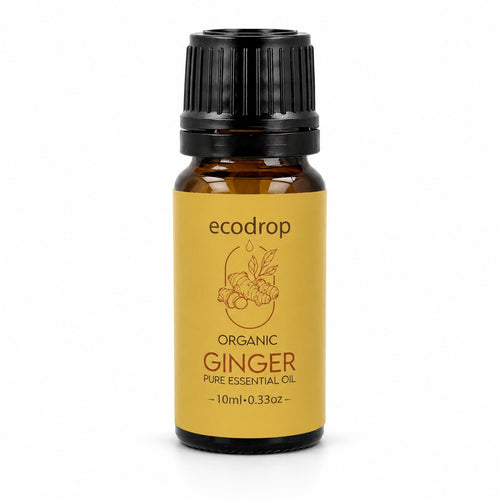
Blijf lezen


