





Balance Vata with Essential Oils
Which essential oils balance vata dosha? Signs of vata imbalance and how patchouli, clove and rose help ground vata.
In this guide
The best essential oils for Vata dosha are earthy, sweet and warming, such as patchouli, clove and rose. If you feel anxious, restless, forgetful or unable to sleep, Ayurveda says your Vata may be out of balance, and these grounding scents can help you feel calm and settled again.
Key takeaways
- Vata is the Ayurvedic dosha of air and ether: creative, energetic and free-spirited when in balance.
- Out of balance, Vata can feel anxious, scattered, cold, dry and restless.
- Earthy, sweet, warm oils suit Vata best. Very stimulating oils like peppermint are best saved for later.
- Our top picks are patchouli, clove and rose.
- Rest, warm food, gentle yoga and time in nature matter just as much as the oils.
What is Vata dosha?
Vata is one of the three energy types, or doshas, in Ayurveda. Each of us carries all three in varying amounts, yet one or two tend to lead. When our doshas feel balanced, we tend to feel more harmonious, and Ayurveda sees an ongoing imbalance as something to gently bring back into balance.
Vata stands for air and ether, and it is in some ways the most delicate of the doshas. In balance, Vata types are creative, energetic and free-spirited. Out of balance, they can feel nervous, anxious and frazzled. Essential oils are a lovely way to help ground and settle Vata energy, in body, mind and mood.

Vata characteristics
Physical features
Vata types are usually naturally slim, with a light frame and excellent agility. Even if they are not thin, they often have small wrists and ankles. They tend to have an oblong face with small, bright eyes, dry skin and hair, and a tendency to store weight around the middle.
Mental characteristics
Vatas are creative thinkers. Their light, fluid nature lets them think outside the box and move easily with change. They take initiative and learn quickly, but they can be quick to forget, and they love jumping from one new idea to the next.
Emotional qualities
Vata types are spontaneous and love excitement. In balance, they are friendly, joyful and open-minded. They may be quick to anger but equally quick to forgive, they love to talk, and spirituality often comes naturally to them.
What are the signs of a Vata imbalance?
Like a leaf swept up on a windy day, Vata is out of balance when it lacks grounding. Here is how that can show.
| Area | Signs of Vata imbalance |
|---|---|
| Body | Cold hands and feet, drier skin, chapped lips, brittle hair and nails, bloating or irregular digestion |
| Mind | Overthinking, overwhelm, restlessness, erratic appetite and sleep, forgetfulness |
| Emotions | Worried thoughts, anxious feelings and being quick to blame yourself |
Vata is the "overthinker" dosha. Poor sleep followed by tiredness, along with forgetfulness, can be a sign that Vata needs grounding. Simply noticing an imbalance gives you the chance to gently put it right.

What are the best essential oils for Vata?
When choosing essential oils for Vata, look for earthy, sweet, soothing and warm scents. Anything very stimulating, like peppermint or coffee, is best saved until you feel more settled.
| Oil | Scent | How it helps Vata |
|---|---|---|
| Patchouli | Deep and earthy | Grounds restless energy and calms the mind |
| Clove | Warm and spicy | Brings cosiness, comfort and a feeling of safety |
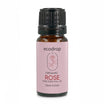
| Rose | Sweet and floral | Calms and reassures, grounding and uplifting at once |
Patchouli
Patchouli essential oil is loved for its deep, earthy scent. It has been used for centuries to help calm the mind and spirit, and that grounding earthiness is perfect for settling restless Vata energy.
Clove
The warm, spicy scent of clove is wonderfully comforting when Vata is out of balance. It brings to mind a warm cup of spiced chai and offers the cosiness and sense of safety an unsettled Vata may be missing.
Rose
The sweet scent of rose essential oil is traditionally used to bring calm and reassurance. It is grounding and uplifting at the same time, helping to restore Vata to balance.
How to use essential oils to balance Vata
- Diffuser or oil burner: add a few drops to create a grounding, soothing atmosphere.
- Bath: mix a few drops into a spoon of carrier oil first, then add to a warm bath. This is especially grounding.
- Meditation: apply a drop, well diluted in carrier oil, to your wrists, the soles of your feet or your temples.
- Moisturiser: add a drop or two to your usual cream to enjoy the scent and the skin-loving benefits.
Pro tip
Vata loves warmth and routine. Diffuse the same grounding oil at the same time each evening, with a warm drink and a few slow breaths, to help your body learn to unwind.
How to balance Vata naturally
When Vata energy feels overwhelming, the key word is grounding. Small, steady habits help the most, and oils work best alongside them.
- Spend time in nature, and dig your hands into the earth if you can.
- Make space to rest and meditate.
- Ease back on caffeine and other stimulants.
- Choose warm food and soothing, caffeine-free tea.
- Avoid the wind where you can, as it can feel especially unsettling to Vata.
- Try gentle yoga and slow, deep breathing.
Want to know more about the other doshas? Read our guides to balancing Pitta and balancing Kapha, or our overview of the Ayurvedic doshas and essential oils.
Is it safe to use these oils?
Safety first
Always dilute oils before they touch your skin, at around 1 to 2 percent, and patch test on your inner arm first. Clove is strong and can irritate skin, so keep it to the diffuser or use only a tiny amount, well diluted.
- Keep oils out of reach of children and away from your eyes.
- Cats are very sensitive to diffused oils. Diffuse away from them and leave pets a way out of the room.
- If you are pregnant or breastfeeding, check with your GP or midwife first.
- Clove is best avoided on the skin if you take blood thinners. Ask your doctor if you are unsure.
FAQs
What does it mean if my Vata is out of balance?
In Ayurveda, an unsettled Vata often feels ungrounded: anxious, restless and forgetful, with dry skin or poor sleep. Grounding routines and warm, soothing scents are the traditional answer.
Which essential oils are best for Vata dosha?
Earthy, sweet and warming scents suit Vata best. Patchouli, clove and rose are lovely choices, while very stimulating oils like peppermint are usually avoided until you feel more settled.
How do I use these oils to ground Vata?
Add a few drops to a diffuser or oil burner, or dilute them in a carrier oil and apply to your pulse points or mix into your moisturiser. A warm bath with a few diluted drops is especially grounding.
Can I use Vata oils every day?
Yes. Gentle daily use in a diffuser, or well diluted on the skin, is fine for most people. Always patch test new oils and cut back if you notice any sensitivity.
What is ether in Ayurveda?
Ether, or space, is one of the five elements in Ayurveda. Together with air, it makes up Vata, which is why Vata is linked with movement, lightness and change.
How do I know my dominant dosha?
Most people get a sense of their dominant dosha from their physical and emotional traits, and many enjoy an online dosha quiz. For a tailored assessment, an Ayurvedic practitioner can help.
The bottom line
When Vata feels scattered, grounding is the answer. Warm, earthy and sweet oils like patchouli, clove and rose, paired with rest, warm food and time in nature, can help you feel calm and settled again. Find all three in our essential oils collection.
This information is not meant to treat or diagnose any medical condition, and it does not replace professional medical advice. Always consult a healthcare practitioner for treatment. Take care if you are diabetic, epileptic, pregnant, breastfeeding or have a serious health condition.
Shop the oils in this guide
See all essential oils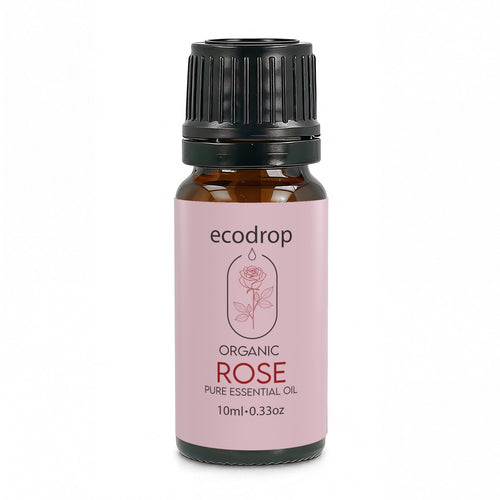
Keep reading


