


Bakuchiol Serum: What It Does, How to Use It and Bakuchiol vs Retinol
What bakuchiol is, how a bakuchiol serum compares with retinol, what one 12-week study found, how to use it and who it suits. A plain UK guide.
In this guide
Bakuchiol is a plant-derived skincare ingredient, taken from the seeds of the babchi plant (Psoralea corylifolia), that is used as a gentler alternative to retinol. It is not a retinoid and not a form of vitamin A. A bakuchiol serum is used for the same goals as retinol, a smoother look to fine lines and a more even-looking tone, and many people find it less drying.
Key takeaways
- Bakuchiol is a plant-derived retinol alternative. It is not vitamin A.
- A 12-week study of 44 people found bakuchiol and retinol gave comparable results for lines and pigmentation, with less scaling and stinging for bakuchiol. It was small, so treat it as encouraging rather than final.
- Bakuchiol is not known to make skin more sensitive to sunlight, but you should still wear SPF every day.
- Give any serum 8 to 12 weeks of daily use before judging it.
- Babchi oil is not the same thing as bakuchiol. Check the ingredient list for the word Bakuchiol.
What is bakuchiol?
Bakuchiol (pronounced ba-KOO-chee-ol) is a compound found in the seeds of the babchi plant, Psoralea corylifolia, a herb long used in traditional medicine in India. In skincare it is used as a plant-based alternative to retinol. It is not a retinoid, so it works differently, but it is used for similar goals: softening the look of fine lines, supporting a more even-looking tone and improving texture.
Bakuchiol vs retinol: the differences
| Retinol | Bakuchiol | |
|---|---|---|
| Source | A derivative of vitamin A | A plant compound from babchi seeds |
| Type | A retinoid | Not a retinoid |
| Common side effects | Dryness, flaking, redness and stinging while skin adjusts | Generally gentler on skin |
| Sun sensitivity | Can make skin more sensitive to sunlight, so usually used at night | Not known to increase sun sensitivity |
| Pregnancy | Retinoids are usually avoided | Not clinically tested in pregnancy, so ask your GP or midwife |
| Evidence | Decades of research | A newer and smaller body of research |
What does the research say?
The best-known study is a 12-week, randomised, double-blind trial of 44 people, published by Dhaliwal and colleagues in the British Journal of Dermatology in 2019. It compared bakuchiol 0.5% cream used twice a day with retinol 0.5% cream used once a day. Both reduced wrinkle surface area and pigmentation, with no statistically significant difference between them, and the retinol group reported more scaling and stinging.
The study was small and the research team was linked to the company that formulated the products, so larger independent studies are needed. That is why we describe bakuchiol as a promising gentler option rather than a like-for-like replacement.
Who might like a bakuchiol serum?
- People whose skin finds retinol too drying, flaky or red.
- Dry, mature or sensitive skin that wants a smoother, more supple look.
- Anyone who wants a step that fits into a morning routine as well as an evening one.
- If your skin already handles a strong retinol well, think of bakuchiol as the softer option rather than an upgrade.
How to use a bakuchiol serum
- Cleanse and pat skin dry. Slightly damp skin helps an oil serum spread.
- Warm 2 to 4 drops between your fingertips and press into face and neck, avoiding the eye area.
- Start once a day, then move to morning and night once your skin is comfortable.
- Layer water-based serums such as vitamin C, niacinamide or hyaluronic acid first. Oils go on last, before moisturiser.
- In the morning, finish with moisturiser and a broad-spectrum SPF. If you also use retinol, keep that for night.
- Skip it on nights you use strong exfoliating acids or a peel.
How long until you see results?
Skin often feels softer and more comfortable within the first week or two. Changes in the look of fine lines and texture build gradually, so give a bakuchiol serum 8 to 12 weeks of daily use. At about 3 drops twice a day, a 30ml bottle lasts around 3 months.
Bakuchiol vs babchi oil
Babchi oil, also sold as bakuchi oil, is a pressed seed oil that can carry only small amounts of bakuchiol. It is not the same as a serum built around bakuchiol itself. On the label, look for Bakuchiol in the ingredients list rather than only babchi seed oil.
What to look for in a bakuchiol serum
- Bakuchiol named in the ingredient list.
- Supporting oils that suit your skin, such as rosehip, squalane and jojoba.
- A clear ingredient list. If it contains essential oils, patch test for 24 hours first.
- A format you will use: oil-based serums sit on top of water-based steps, while gels can go underneath.
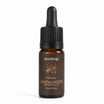
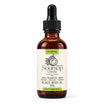
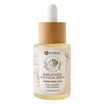
Our Anti-Ageing Bakuchiol Serum is an oil-based serum made in the UK with bakuchiol, rosehip seed oil, squalane and vitamin E. It is vegan and cruelty-free. It contains essential oils including bergamot, so patch test first and always wear SPF in the morning.
FAQs
Is bakuchiol as good as retinol?
Bakuchiol is not a retinoid, but it is used for the same goals. In one small 12-week study it gave comparable results to retinol with less scaling and stinging. If your skin copes well with retinol, bakuchiol is the gentler alternative rather than a stronger one.
Can I use bakuchiol during pregnancy or breastfeeding?
Bakuchiol is not a form of vitamin A, which is why many people choose it when retinoids are off the table. It has not been clinically tested in pregnancy, so please check with your GP or midwife first.
Should I use bakuchiol in the morning or at night?
Either, or both. Unlike retinol, it is not known to make skin more sensitive to sunlight. Whichever time you use it, wear a broad-spectrum SPF by day.
Can I use bakuchiol with vitamin C, niacinamide or retinol?
Yes. Apply water-based serums first and the bakuchiol serum after them. You do not need retinol as well, but if you use both, keep retinol for night and bakuchiol for morning.
Is bakuchiol suitable for sensitive skin?
It is generally gentler than retinol, which is why people with sensitive skin often try it. Any new skincare product can still irritate, so patch test for 24 hours first.
Is bakuchiol vegan?
Bakuchiol is plant-derived, so it is vegan. Check the rest of the formula. Our Anti-Ageing Bakuchiol Serum is vegan and cruelty-free.
The bottom line
Bakuchiol is a plant-derived option for people who want the benefits associated with retinol without the dryness. The research is promising but small, so give it 8 to 12 weeks, patch test, and wear SPF every morning.
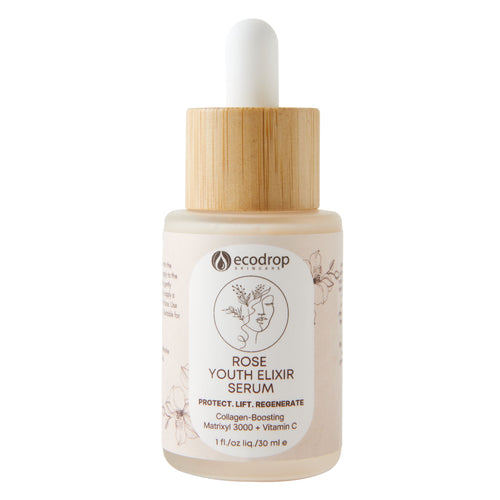
Shop the serums from this guide: Anti-Ageing Bakuchiol Serum and, if you also want a peptide serum, our Rose Youth Elixir Serum. Or browse our natural skincare.