






Æteriske olier mod muskelsmerter og kramper
Ease muscle soreness and spasms after exercise with essential oil massage blends, baths and simple recovery tips.
In this guide
Sore, tight muscles after a workout are normal, and a little gentle care can make recovery feel much more comfortable. Essential oils such as lavender, clary sage, ginger, rosemary and peppermint are popular for muscle soreness and spasms, used in a massage rub or a warm bath. Below we explain the difference between a cramp and soreness, then share two easy post-exercise recipes.
Key takeaways
- A cramp is a sudden, involuntary tightening of a muscle. Soreness builds up after you have worked a muscle.
- Delayed onset muscle soreness (DOMS) usually shows up a day or two after a hard session and settles within a few days.
- An aromatic muscle rub with lavender, clary sage, bergamot and ginger is lovely to massage into tired muscles.
- A rosemary and peppermint bath salt soak is a relaxing way to round off your day.
- See a doctor if cramps are frequent or severe, or if soreness lasts well beyond a few days.
What is the difference between a cramp and muscle soreness?
Few things disrupt a good exercise routine like cramps and post-workout soreness. Whether you are new to exercise or a seasoned athlete, that tight, achy feeling can take the shine off your progress. Both involve the muscles, but they are not the same thing.
Soreness builds up after you have worked a muscle. A cramp, or muscle spasm, can arrive out of the blue, even while you are resting or asleep. Knowing which is which makes it easier to choose the right kind of care.
| Muscle cramp or spasm | Muscle soreness | |
|---|---|---|
| What it feels like | A sudden, tight, involuntary squeeze | A dull ache and stiffness |
| When it happens | Any time, even at rest or asleep | During a workout, or a day or two after |
| How long it lasts | A few seconds to several minutes | A few hours to a few days |
| What helps | Water, a balanced diet and gentle stretching | Rest, gentle movement, massage and a warm bath |
What causes muscle cramps and spasms?

A cramp is a sudden, involuntary tightening of a muscle. It can come on quickly and last anywhere from a few seconds to several minutes. Sometimes it returns a few times before it eases.
Cramps can follow overuse of a muscle. Staying well hydrated and eating a varied diet, with plenty of leafy greens, nuts, seeds, beans and whole grains, is widely recommended as part of general muscle care.
Cramps are very common and most people get them at some point. If you cramp often or badly, speak to a healthcare professional, who can advise on the right approach for you.
What is delayed onset muscle soreness (DOMS)?

Soreness comes in two kinds. The first is felt during or just after a workout and eases fairly quickly. The second, called delayed onset muscle soreness or DOMS, usually appears a day or two after a hard or unfamiliar session and settles within a few days.
DOMS is a normal part of getting used to new or harder exercise. Gentle movement, rest, plenty of water and relaxing self-care such as a warm bath or massage are all popular ways to feel more comfortable while your body adjusts.
Which essential oils help with sore muscles?
These are the oils used in the two recipes below, and why people reach for them after exercise.
- Lavender: soft and calming, ideal for winding down after a tough session.
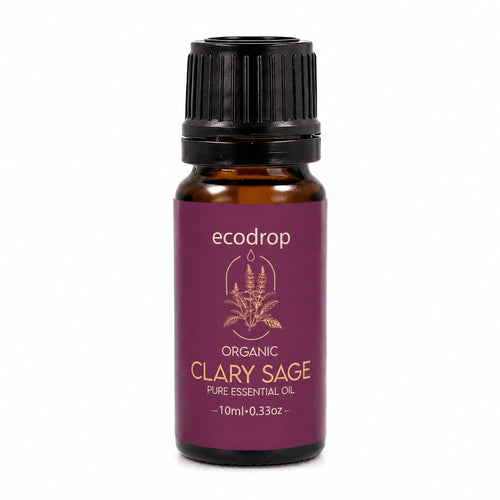
- Clary sage: a warm, herbal oil many people use to help tense muscles relax.
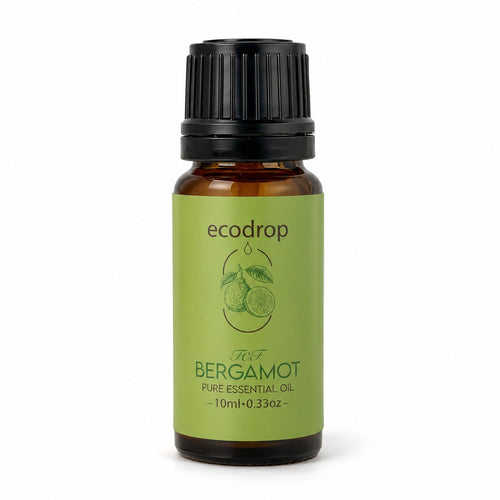
- Bergamot: a bright citrus that lifts the mood when you feel tired and achy.
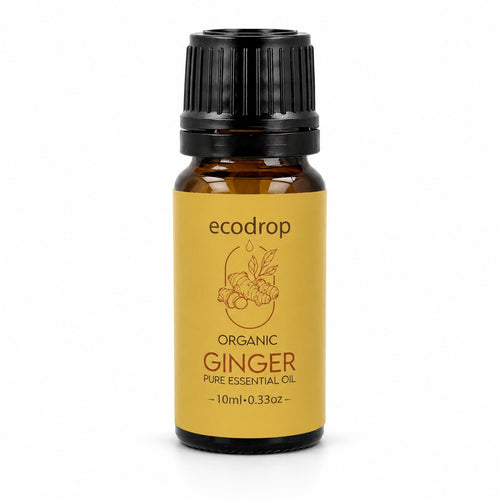
- Ginger: a warming spice, well known in massage blends for tired muscles.
- Rosemary: herbal and refreshing, a classic in post-sport baths and rubs.
- Peppermint: menthol brings a cool, fresh feeling to warm, achy legs.
For more choices, see our guide to 5 essential oils for sore muscles and muscle pain.
2 natural recipes for after exercise
1. Aromatic Muscle Rub
Best for: massaging tired, tight muscles after a workout
- ½ cup Arnica oil (about 120ml)
- ½ oz Beeswax (about 14g)
- 30 drops Clary sage oil
- 30 drops Lavender oil
- 20 drops Bergamot oil
- 15 drops Ginger oil
Warm the arnica oil and beeswax in a saucepan on a low heat until the wax melts, then stir well. Pour into a container and let it cool for about 10 minutes. Stir in the essential oils, let it set fully, then cover. Massage a little into the muscles you want to soothe.
2. Soothing Bath Salt Blend
Best for: a relaxing soak at the end of an active day
- 1 cup Epsom salt
- 5 drops Rosemary oil
- 5 drops Peppermint oil
Add the oils to the Epsom salt in a jar and shake well so they spread evenly. Add the cup to a warm bath and soak for as long as you feel comfortable. The fresh, herbal scent makes it a relaxing way to round off your day.
Pro tip
Oils do not dissolve in water, so stir a tablespoon of carrier oil or unscented bath wash into the salts first. It helps the oils spread through the bath instead of floating on top. If your skin is sensitive, make the muscle rub with half the essential oils.
How to massage sore muscles after a workout
Massage is a simple way to help tight muscles feel looser and more relaxed. You only need a small amount of rub.
- Warm a pea-sized amount of rub between your palms until it softens.
- Use long, slow strokes along the muscle, moving towards the heart.
- Use small circles with your thumbs on any tight spots.
- Keep the pressure comfortable. It should feel good, never painful.
To mix your own lighter massage oil, read how to make your own massage oil with essential oils. If your feet took the strain, try our foot soak for sore feet.
Is it safe to use essential oils on sore muscles?
Safety first
Essential oils are highly concentrated, so always keep them well diluted. Patch test a new blend on a small area of skin before wider use.
- Avoid broken or irritated skin and the eye area.
- Oils and bath blends can make the bath slippery, so take care getting in and out.
- Bergamot FCF has the sun-sensitising compound removed, but still patch test before going into strong sun.
- If you are pregnant or breastfeeding, ask your GP or midwife first. Clary sage is best avoided in pregnancy.
- Keep oils and finished blends out of reach of children and pets.
- These recipes are for relaxation and self-care, not a substitute for medical advice.
FAQs
What is the difference between a cramp and soreness?
A cramp is a sudden, involuntary tightening of a muscle that can happen even at rest. Soreness is the achy feeling that builds up after you have used a muscle, especially after a hard or unfamiliar workout.
What is DOMS?
DOMS stands for delayed onset muscle soreness. It is the stiffness many people feel a day or two after intense exercise. It is a normal part of the body adjusting to harder activity and usually settles within a few days.
What essential oil is good for muscle spasms?
Lavender and clary sage are popular for helping tense muscles relax, and ginger brings a warming feel. Use them diluted in a massage rub such as the Aromatic Muscle Rub above. See a doctor if spasms are frequent or severe.
Can I use the bath salt blend after every workout?
A warm soak is a lovely way to wind down, and many people enjoy one regularly. Listen to your body, keep the essential oils at a low amount and take care that the bath is not slippery.
How long does the muscle rub keep?
Stored in a clean, sealed container in a cool, dark place, a beeswax rub like this keeps for a few months. Make small batches and throw it away if the scent or texture changes.
When should I see a doctor?
See a healthcare professional if cramps are frequent or severe, if soreness lasts well beyond a few days, or if you have any pain that worries you. Do not rely on self-care alone.
The bottom line
Cramps and soreness are a normal part of an active life, and a little care helps you bounce back more comfortably. Massage the Aromatic Muscle Rub into tired muscles, or sink into the rosemary and peppermint bath salts after a long day. Find every oil in these recipes in our essential oils collection.