



5 Essential Oils for Sore Muscles and Muscle Pain
The best essential oils for sore muscles and muscle pain, with a bath recipe and a body massage oil using peppermint, ginger and marjoram.
In this guide
The best essential oils for sore muscles and muscle pain are peppermint, eucalyptus, cypress, chamomile and marjoram. Massaged in with a carrier oil or added to a warm bath, they help ease aches, stiffness and cramps after a workout. Below you will find what each oil does, plus a bath soak and a body massage oil you can make at home.
Key takeaways
- Peppermint and eucalyptus cool hot, achy muscles and help ease pain.
- Marjoram and chamomile are the go-to oils for cramps, spasms and tight muscles.
- Cypress helps with tension, swelling and stiffness.
- Use them in a diluted massage oil or an Epsom salt bath. Never use them neat on the skin.
- Gentle, slow massage strokes help the oils and your muscles work together.
Can essential oils help with muscle pain?
Sore muscles after exercise are almost unavoidable. Whether you are a yogi, runner, gymnast, dancer or hiker, achy muscles can slow down your recovery.
The good news is that nature offers gentle help. Essential oils for sore muscles can ease pain, reduce stiffness and support a faster recovery. They bring natural relief from muscle pain, tension and inflammation, and they help your mind relax too.

What are the best essential oils for sore muscles?
These five oils are the most popular for aches and pains. Each one helps in a slightly different way, so they work well together.
| Oil | Key compound | Best for |
|---|---|---|
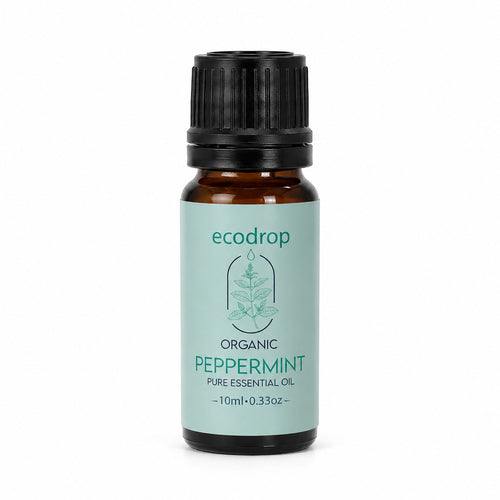
| Peppermint | Menthol | Cooling relief for achy muscles after hard exercise |
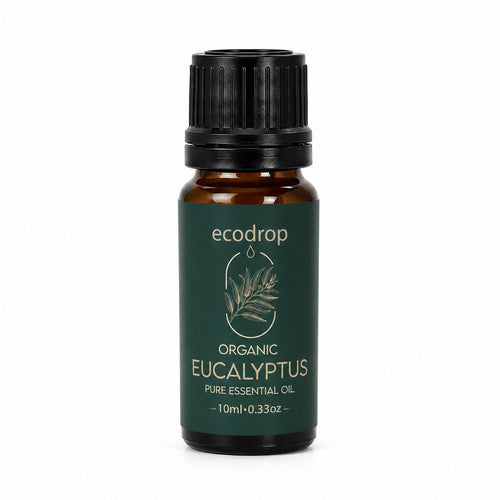
| Eucalyptus | Eucalyptol | Cooling, pain and inflammation |
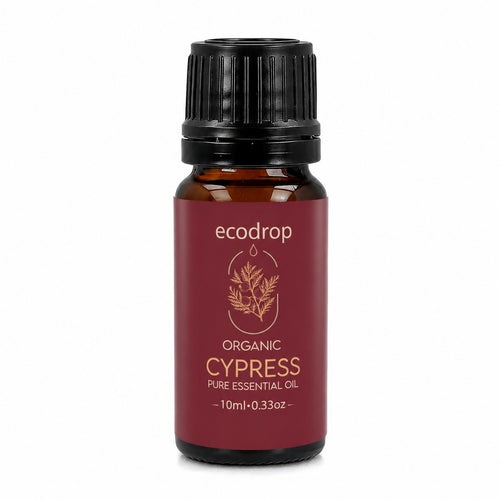
| Cypress | Fresh, woody notes | Tension, swelling and stiffness |
| Roman or German chamomile | Soft, calming notes | Muscle spasms, tension and rheumatic pain |
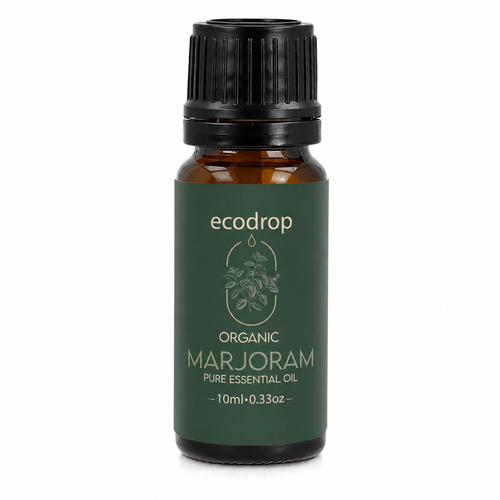
| Marjoram | Warm, herbal notes | Cramps, joint pain and stiffness |
1. Peppermint oil for sore muscles
Peppermint oil has a cooling effect on sore muscles, thanks to its menthol. It is known for being pain-relieving, antispasmodic, stimulating and anti-inflammatory. That makes it one of the best essential oils for achy muscles after an intense workout.
2. Eucalyptus oil for muscle pain
Eucalyptus oil contains eucalyptol, which cools sore muscles and may help reduce pain and inflammation. In one study, a blend of eucalyptus, rosemary, peppermint, lavender and marjoram helped relieve arthritis pain. This is why eucalyptus is a trusted oil for muscle pain and recovery.
3. Cypress oil for tension and swelling
Cypress oil is traditionally used for the tension and swelling that come with sore muscles. Its grounding scent makes it popular in body massages and bath soaks. Cypress helps relieve muscle pain and stiffness, and it is also used for varicose veins.
4. Roman or German chamomile oil for spasms
Chamomile is sometimes called the herb "capable of anything", because it soothes both body and mind. Roman and German chamomile are calming and relaxing, especially on tense, sore muscles.
Chamomile is commonly used for stress, poor sleep, muscle spasms, inflammation and rheumatic pain. It is a gentle choice for an evening massage.
5. Marjoram oil for muscle cramps and joint pain
Marjoram oil is excellent for calming joint and muscle pain. Its anti-inflammatory action helps reduce swelling and stiffness.
Use it in massages, bath soaks or lotions, blended with peppermint, lavender, eucalyptus and cypress. Together they make an effective muscle pain recipe.
Which essential oils help with muscle cramps and spasms?
For cramps and spasms, reach for the relaxing, antispasmodic oils. Marjoram, chamomile and peppermint are the top three. Many people also like lavender for tight, knotted muscles.
For cramps in the legs or calves, massage a diluted blend into the muscle with long, slow strokes towards the heart. A warm bath before bed can also help tight legs relax.
Other essential oils for muscle aches and pains
These oils are also great for sore muscles. Many people use rosemary, black pepper and ginger to warm the muscles and support circulation.
- Lavender oil
- Cedarwood oil
- Sandalwood oil
- Camphor oil
- Rosemary oil
- Ginger oil
- Black pepper oil
- Lemongrass oil
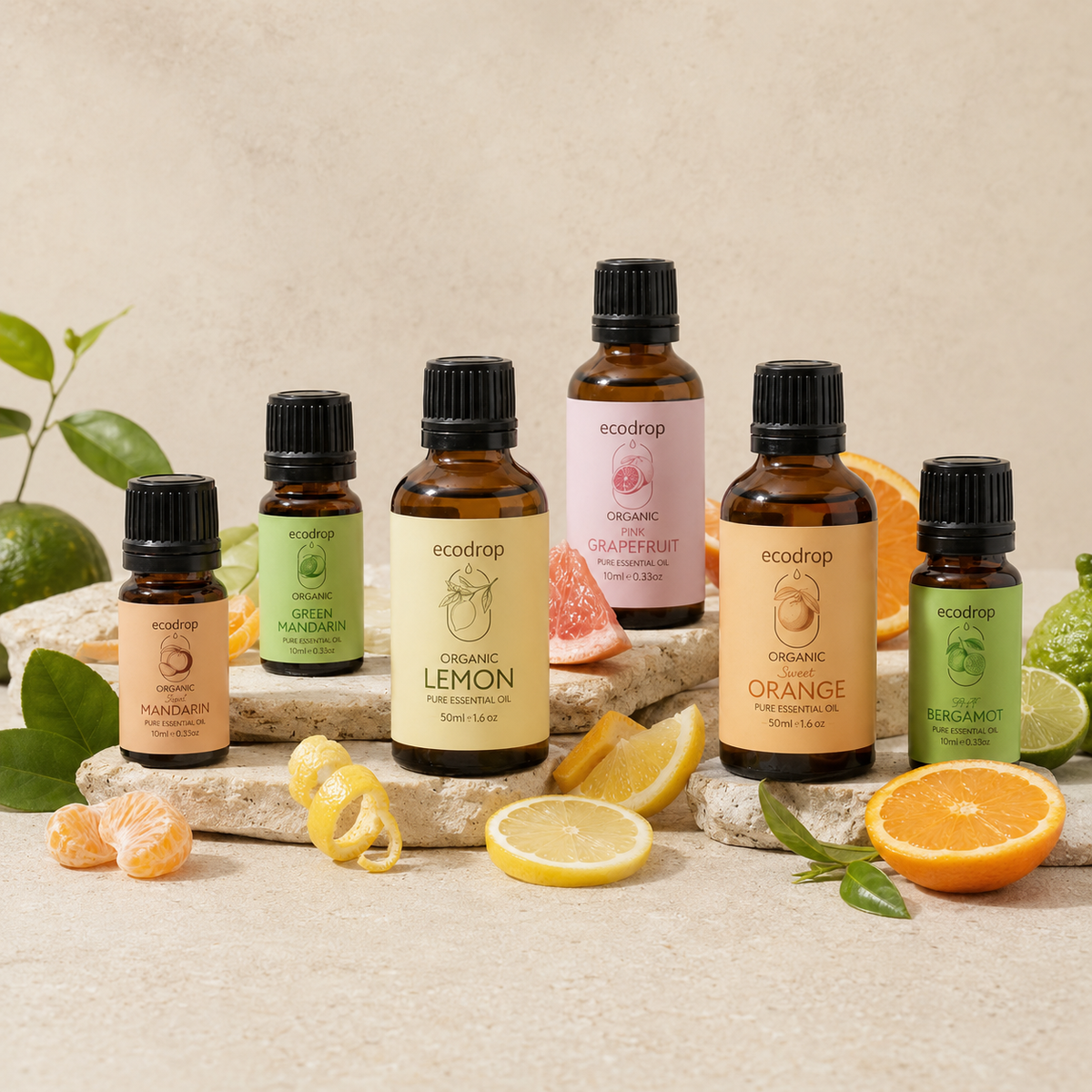
You can find them all in our essential oils collection.
Essential oil recipes for muscle pain relief
Here are two easy recipes: a muscle soak for the bath and a full body massage oil.
1. Ocean Calm Bath Time
Best for: tight, sore muscles after exercise
- 1 cup Epsom salt
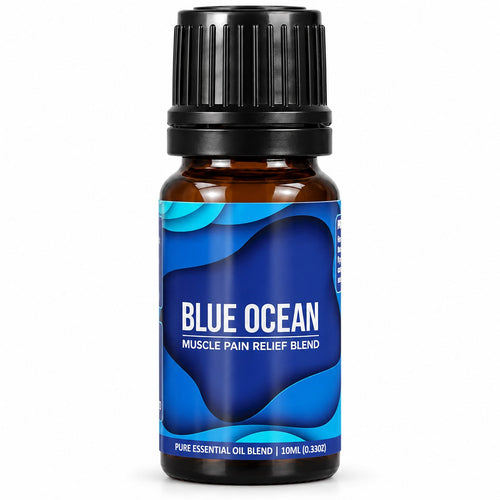
- 8 to 10 drops Blue Ocean essential oil blend
- 1 tsp Carrier oil, such as sweet almond, jojoba or grapeseed
- Optional A handful of peppermint leaves
Our Blue Ocean blend combines five oils for muscle tension and pain: wintergreen, peppermint, eucalyptus, camphor and German chamomile. Mix everything in a bowl, pour it into a warm bath and soak for 10 to 20 minutes.
2. My Sore Body Massage Oil
Best for: tense, sore and swollen muscles
- 60ml Sweet almond oil
- 3 drops Peppermint oil
- 2 drops Eucalyptus oil
- 2 drops Marjoram oil
- 2 drops Lavender oil
- 2 drops Cypress oil
Mix everything in a clean 60ml bottle, label it and store it in a cool, dry cupboard. Massage from head to feet, or feet to head, with gentle, slow strokes along sore and tense muscles.
Pro tip
Add the essential oils to the carrier oil or Epsom salt before they go into the bath. Oil and water do not mix, so neat drops just float on top and can sting your skin.
How to use essential oils for sore muscles
- Massage: mix about 1 drop of essential oil per 5ml of carrier oil, then rub into the sore area with slow, firm strokes.
- Bath soak: mix 8 to 10 drops with Epsom salt and a spoon of carrier oil, then soak for 10 to 20 minutes.
- Warm compress: add 2 to 3 drops to a bowl of warm water, soak a cloth, wring it out and hold it on tight muscles.
- Diffuser: diffuse lavender or chamomile in the evening to help your body and mind unwind.
Sore feet after a long day? Try our foot soak recipe with essential oils. For cramps after exercise, read our guide to muscle soreness and spasm relief.
Is it safe to use essential oils on sore muscles?
Safety first
Always dilute essential oils in a carrier oil before they touch your skin, at around 1 to 2 percent. Do a patch test on your inner arm 24 hours before you use a new blend.
- Do not use peppermint, eucalyptus, camphor or wintergreen blends on babies or young children.
- If you are pregnant or breastfeeding, check with your GP or midwife first.
- Wintergreen-containing blends are best avoided if you take blood thinners or are allergic to aspirin.
- Do not use oils on broken skin, and keep them away from your eyes.
- See a doctor if pain is sharp, follows an injury, or does not improve after a few days.
FAQs
What essential oils are best for sore muscles?
Peppermint, eucalyptus, cypress, chamomile, marjoram and lavender are the best essential oils for sore muscles. They help reduce tension, ease stiffness and improve blood flow. Blended into a massage oil, they bring quick comfort and help the body recover faster.
What essential oil is good for muscle cramps?
Marjoram is the classic oil for muscle cramps, with chamomile and peppermint close behind. Massage a diluted blend into the cramping muscle with slow strokes, or add a few drops to a warm Epsom salt bath.
What essential oils are good for a sore muscle bath?
Try the Ocean Calm Bath Time recipe above, with our Blue Ocean blend and Epsom salt. Peppermint, eucalyptus, lavender and marjoram are also lovely in a bath, as long as you mix them with a carrier oil first.
How does aromatherapy help with muscle pain?
Aromatherapy for muscle pain works by relaxing both the body and the mind. Oils like rosemary, black pepper and ginger improve circulation and reduce inflammation. Massaging them in or adding them to a warm bath gives natural relief and supports healing.
Which essential oils relax tight muscles and knots?
Lavender, chamomile and marjoram are the most relaxing oils for tight muscles and knots. Massage them in with firm, circular pressure on the knot, then follow with long strokes across the muscle.
Is tea tree oil good for muscle pain?
Tea tree is best known for skin care rather than muscles. For aches and pains, peppermint, eucalyptus, marjoram and chamomile are better choices.
Can I use essential oils daily for sore muscles?
Yes, you can use essential oils for sore muscles every day, as long as you always dilute them in a carrier oil. A gentle massage or warm compress can soothe aches safely without harming your skin.
Are there any risks with aromatherapy for muscle pain?
Aromatherapy for muscle pain is generally safe, but some oils can irritate sensitive skin. Always do a patch test, never use oils undiluted, and talk to your doctor if you are pregnant or have a medical condition.
The bottom line
Essential oils are a natural, gentle way to relieve muscle pain, tension and inflammation. Whether you use them in a massage oil or a bath soak, they offer real support for muscle recovery. Find peppermint, eucalyptus, marjoram and the rest of these oils in our essential oils collection.