





Sådan bruger du æteriske olier til yoga og meditation
How to use essential oils for meditation and yoga, which oils to choose, and diffuser blends to calm and focus the mind.
In this guide
To use essential oils for meditation, add 5 or 6 drops to a diffuser before you sit down, or dab a diluted oil on your wrists and breathe it in slowly. Frankincense, lavender, sandalwood and cedarwood are the best essential oils for meditation and yoga, as they calm the mind and help you settle into stillness. Below are 4 meditation diffuser blends and a simple way to build them into your practice.
Key takeaways
- Frankincense is the classic meditation oil, used for centuries in spiritual practice.
- Lavender and chamomile help you relax, while cedarwood and sandalwood help you feel grounded.
- Use oils in a diffuser, or dilute them in a carrier oil for your wrists, temples or feet.
- Using the same scent every time helps your body learn that it is time to be still.
- Even 5 minutes of mindful breathing a day can shift how you feel.
Why use essential oils for yoga and meditation?
Meditation is a gift you can give yourself every day. Even 5 minutes of mindful breathing can shift your mental, emotional and physical state. When you pair it with aromatherapy, the experience can feel even more powerful.
Meditation has been practised for thousands of years, and people from all walks of life now enjoy its benefits. Whether you practise Vipassana, Transcendental Meditation or mindfulness, good essential oils for meditation can help ground and relax your mind.
Aromatherapy has long been part of spiritual practice. Scent works on the limbic system, the part of the brain linked with emotion and memory, which is why the right oil can help you settle more deeply.
What are the benefits of essential oils for meditation?
Meditation brings many benefits on its own. The right oils can support each one a little further.
| Benefit | How meditation helps | Oils that support it |
|---|---|---|
| Reduces stress | Can help lower cortisol and move the body into "rest and digest" | Lavender, frankincense |
| Improves concentration | A few weeks of steady practice builds focus | Rosemary, sandalwood |
| Eases anxiety | Regular practice reduces anxious feelings | Frankincense, chamomile, bergamot |
| Better sleep | May lead to deeper, more restful sleep | Lavender, ylang ylang |
| More kindness | Loving-kindness (metta) meditation builds compassion | Rose, sandalwood |
Many concentration techniques use Dharana, the practice of resting your attention on one point. A familiar scent can become that point, which is one reason oils pair so well with meditation.
How to use essential oils while meditating
There are two main ways to use essential oils for meditation: in a diffuser or on your skin. Both are simple, and you can use them together.
- Diffuser: add 5 or 6 drops to the water and switch it on 10 minutes before you start. This fills your space with a calming scent.
- Pulse points: mix 1 to 2 drops of oil into 5ml of carrier oil, then dab a little on your wrists, temples, behind your ears or on the soles of your feet.
- Straight from the bottle: hold an open bottle a little way under your nose and take three slow, deep breaths.
- On your mat: for yoga, add a few drops to a damp cloth and wipe your mat for a fresh, grounding scent.
Pro tip
Pick one blend and use it every time you meditate. Over time your body links the scent with stillness, so you settle into a peaceful state much faster.
4 essential oil blends for meditation
These meditation diffuser blends support grounding, clarity and emotional balance. Add the drops to your diffuser and breathe slowly.
1. Balance
Best for: everyday meditation and grounding
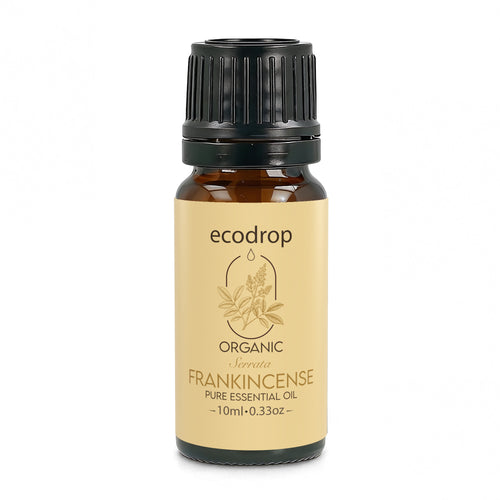
- 3 drops Frankincense oil
- 2 drops Lavender oil
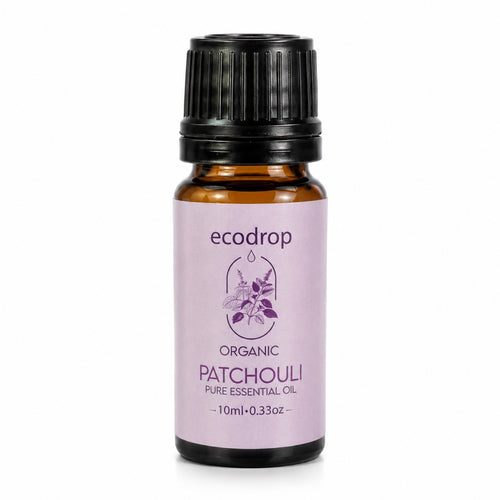
- 1 drop Patchouli oil
Warm frankincense and soft lavender calm the mind, while a drop of earthy patchouli roots you to the ground. A lovely blend to start your daily practice.
2. Peaceful
Best for: easing anxious feelings and evening calm
- 3 drops German chamomile oil
- 2 drops Sandalwood oil
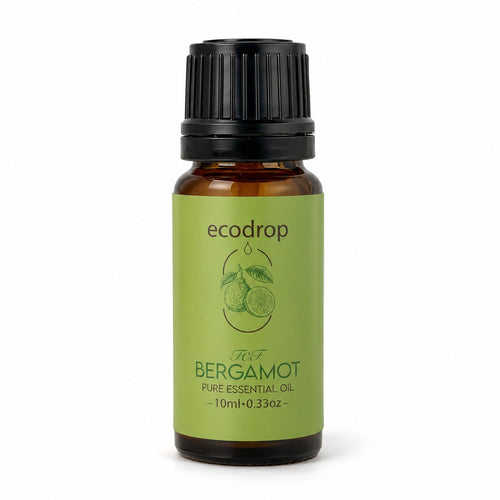
- 1 drop Bergamot oil
Chamomile soothes, sandalwood deepens focus and bergamot adds a gentle lift. Use it when your thoughts feel busy and you want to slow down.
3. Inner Temple
Best for: deep, grounded meditation
- 3 drops Cedarwood oil
- 2 drops Frankincense oil
- 1 drop Ylang ylang oil
Dry, woody cedarwood and resinous frankincense create a quiet, temple-like feel. Ylang ylang adds a soft floral note for emotional balance.
4. Surrender
Best for: letting go at the end of the day
- 2 drops Clary sage oil
- 2 drops Lavender oil
- 2 drops Frankincense oil
Clary sage and lavender help the body release tension, and frankincense slows the breath. Try it before bed or after a long yoga session.
What are the best essential oils for meditation?
Most meditation oils fall into three groups. Earthy, grounding oils suit deep meditation, while floral and resin oils help with heart-centred and spiritual practice.
- Resins: frankincense and myrrh have been burned in temples for centuries and are prized for their spiritual use.
- Woods and earth: sandalwood, cedarwood and patchouli help you feel steady and grounded.
- Florals: lavender, chamomile, ylang ylang and rose bring calm, softness and an open heart.
For more on grounding scents, read our top 3 essential oils for grounding.
A simple aromatherapy meditation routine
You do not need much time or special kit. Try this easy routine each morning or evening.
- Choose a quiet spot and switch on your diffuser with one of the blends above.
- Sit comfortably with a straight back and rest your hands in your lap.
- Close your eyes and breathe in slowly through your nose for a count of four.
- Breathe out for a count of six, letting the scent help your shoulders soften.
- Stay for 5 to 10 minutes, gently bringing your attention back to the breath when it wanders.
Looking for a short daily practice? Try our simple mindfulness routine with essential oils.
Essential oils for yoga
The same oils work beautifully on the mat. Grounding blends like Inner Temple suit slow, restorative yoga, while a fresher oil such as rosemary helps you stay alert in a morning flow.
Diffuse your blend in the room, or dab a diluted oil on your wrists before you start. For focus during the day, see our diffuser blends for focus.
Is it safe to use essential oils for meditation?
Safety first
Always dilute oils before they touch your skin, at around 1 to 2 percent. That is about 1 to 2 drops in 5ml of carrier oil. Do a patch test on your inner arm first.
- Keep oils out of reach of children, and keep diffuser sessions short around them.
- Cats are very sensitive to diffused oils. Diffuse away from them and leave pets a way out of the room.
- If you are pregnant or breastfeeding, check with your GP or midwife first. Clary sage is best avoided in pregnancy.
- Bergamot can make skin sensitive to sunlight unless it is bergapten-free (FCF). This only matters on skin, not in a diffuser.
- If you have asthma or epilepsy, speak to a doctor before using oils.
FAQs
How do you use essential oils for meditation?
Breathe them in from a diffuser, apply diluted oils to your pulse points, or hold the bottle under your nose and breathe deeply. Using the same scent each time builds a scent memory, so your body enters a peaceful state faster.
What are the best essential oils for meditation?
Frankincense, lavender, sandalwood, patchouli, ylang ylang and cedarwood are among the best. They promote emotional balance, lift your mood and help quiet busy thoughts.
Where do you apply essential oils for meditation?
Apply diluted oils to your wrists, temples, behind your ears or the soles of your feet. Always mix them with a carrier oil first, at about 1 to 2 percent.
What are good aromatherapy blends for meditation rituals?
Try Balance (3 frankincense, 2 lavender, 1 patchouli) for daily practice, or Inner Temple (3 cedarwood, 2 frankincense, 1 ylang ylang) for deeper sessions. Diffuse them before you begin.
Which essential oils are used for spiritual practice and meditation?
Frankincense and myrrh are the classic spiritual oils, used in temples for centuries. Sandalwood and rose are also popular for heart-centred and loving-kindness meditation.
What is the best aromatherapy for relaxation and stress?
Lavender, chamomile, frankincense and bergamot are the top picks for relaxation and stress. The Peaceful and Surrender blends above are a good place to start.
Can I use essential oils for yoga?
Yes. Diffuse a grounding blend during practice, dab a diluted oil on your wrists, or wipe your mat with a damp cloth and a few drops of oil for a fresh scent.
The bottom line
Meditation brings deep peace and clarity, and essential oils can make your practice even richer. Whether you love grounding cedarwood, calming lavender or sacred frankincense, start with a simple diffuser blend, build a routine and let the scent guide you into stillness. Find every oil in these blends in our essential oils collection.