


How to Choose the Best Organic Eczema Cream
How to choose the best eczema cream in the UK: which ingredients help, which to avoid, and what to look for in an organic eczema cream.
In this guide
The best eczema cream is one that keeps skin deeply moisturised, calms itching and leaves out harsh chemicals that can trigger a flare. For many people in the UK, an organic or natural eczema cream made with soothing plant ingredients such as aloe vera, calendula, chamomile and shea butter is a gentle place to start. Here is how to choose the best cream for eczema, which ingredients help, which to avoid, and how to use it.
Key takeaways
- Eczema is a common skin condition that causes dry, itchy and inflamed skin.
- Look for soothing natural ingredients such as aloe vera, calendula, chamomile, oat extract and rich plant butters.
- Avoid synthetic fragrances, parabens and sulfates, which can irritate sensitive skin further.
- Match the cream to your type of eczema and to the area, as face creams should be lighter than body creams.
- Always patch test a new cream, and see your GP or pharmacist if your eczema is severe, weeping or infected.
What is eczema?
Eczema is a common skin condition that causes dry, itchy and inflamed skin. It often comes and goes in flare-ups, and it can affect the face, hands, elbows, knees and other areas.
There are many eczema relief creams on the market, and choosing the right one can feel overwhelming. Knowing your skin, and knowing what to look for on the label, makes the choice much easier.
Identify your type of eczema
There are different types of eczema, each with its own symptoms and triggers. Choose a cream that suits the type you have.
| Type | What it looks like | What helps |
|---|---|---|
| Atopic eczema | Dry, itchy skin, often in skin folds | A rich, daily moisturising cream |
| Contact eczema | A reaction to a specific substance | Finding and avoiding the trigger, plus a gentle cream |
| Hand eczema | Dry, cracked skin from washing or chemicals | A thick cream after every wash, and gloves for chores |
| Facial eczema | Red, dry or flaky patches on the face | A lighter cream made for sensitive faces |
If you are not sure which type you have, a GP or pharmacist can help you find out.
How to choose the best eczema cream in the UK
Here are the key points to consider when you choose an eczema face cream or body cream.
1. Read the ingredients
The first step in choosing the best eczema cream or ointment is understanding what is inside it. Some ingredients to avoid include fragrances, parabens and sulfates, as these can irritate the skin further.
Instead, look for creams that contain natural ingredients such as aloe vera, calendula and chamomile, which are known to soothe and calm irritated skin.
2. Choose free from harsh chemicals
The cream should be free from harsh chemicals like parabens, sulfates and other synthetic preservatives. This makes an organic eczema cream an excellent choice for people with eczema, as it leaves out ingredients that can aggravate the condition.
Natural herbal creams are made from ingredients grown without synthetic pesticides, herbicides or fertilisers. These ingredients are gentle on the skin, which makes them a great alternative for people with sensitive skin.
3. Look for rich, moisturising textures
Eczema-prone skin struggles to hold on to moisture. A thick cream with plant butters and oils, such as shea butter, jojoba and sweet almond oil, helps cushion dry patches and lock moisture in. Ointments are thicker still and are often used on very dry areas.
4. Check it is vegan and cruelty-free
Many natural eczema creams are cruelty-free and contain no animal-derived ingredients. This makes them a great choice if you follow a vegan or cruelty-free lifestyle.
5. Buy from a brand you trust
When you buy an organic eczema cream in the UK, choose one that is made in the UK by a brand that tells you exactly what is inside. Fresh, high-quality ingredients matter for sensitive skin.
Best natural ingredients for eczema-prone skin
| Look for | Why |
|---|---|
| Aloe vera | Cools and hydrates irritated skin |
| Calendula | Known to soothe and calm |
| Chamomile | Gentle and calming for redness |
| Oat extract | Popular for easing itchy skin |
| Shea butter | Softens rough skin and helps hold in moisture |
| Jojoba oil | Similar to skin's own oils, so it sinks in easily |
| Try to avoid | Why |
|---|---|
| Synthetic fragrance | A common trigger for sensitive skin |
| Parabens | Synthetic preservatives that can irritate |
| Sulfates | Strip natural oils and dry the skin |
Pro tip
Apply your cream within a few minutes of a bath or shower, while your skin is still slightly damp. It helps trap water in the skin, so the cream works harder for longer.
What is the best cream for eczema on the face?
The skin on your face is thinner and more sensitive than on your body. Choose a natural eczema cream made for facial use, so it does not clog pores or cause more irritation.
Use a small, pea-sized amount and gently smooth it over the affected areas. Do not rub too hard. Keep creams away from your eyes, and patch test on your jawline before using a new cream on your whole face.
Our cream for dry, sensitive skin
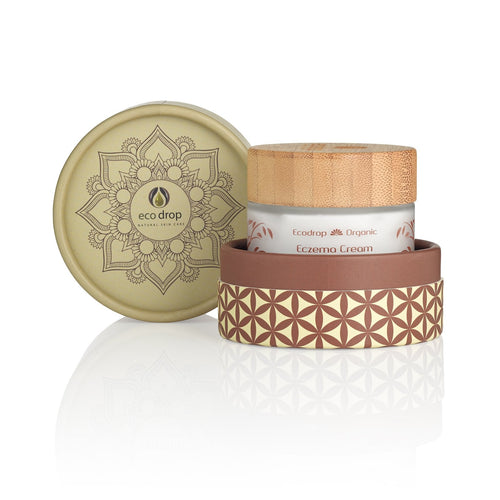
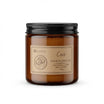
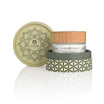
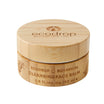
Our Comfort Cream for dry and sensitive skin is a rich, softening cream made in the UK for skin that feels tight, rough or itchy. Shea butter, jojoba and sweet almond oil cushion dry patches, while aloe vera and rose water add a cooling layer of hydration.
It is vegan and cruelty-free, and it suits dry, sensitive faces as well as rough hands and elbows. It is lightly scented with tea tree, lavender and geranium essential oils, and it contains sweet almond oil. If your skin reacts to essential oils or you have a nut allergy, choose an unscented, nut-free cream instead.
For everyday face care, our Organic Face Cream is a lighter option. See our full range of natural skincare.
Caring for eczema beyond creams
Eczema is a long-term condition, and it needs a holistic approach. A healthy diet, managing stress and avoiding your triggers all play a part alongside a good cream.
- Use a gentle, soap-free wash and lukewarm water.
- Pat skin dry rather than rubbing.
- Wear soft, breathable fabrics such as cotton.
- Keep a note of what makes your skin flare, such as certain soaps, foods or stress.
For more natural skin care ideas, read our guides to dry winter skin and treating seborrheic dermatitis naturally.
When to see a doctor
Safety first
Always patch test a new cream on a small area for 24 hours before using it more widely. Speak to your GP or pharmacist before using a new cream on a baby or young child.
- See your GP if your eczema is severe, is spreading or stops you sleeping.
- Get help quickly if skin is weeping, crusting, hot or painful, as it may be infected.
- Keep using any treatment your doctor has prescribed. A natural cream can sit alongside it, but ask first.
- Stop using a cream if it stings, burns or makes your skin redder.
FAQs
What is the best cream for eczema?
The best cream for eczema gives long-lasting hydration, relieves itching and avoids harsh chemicals. Look for a natural eczema cream made with soothing botanicals like aloe vera and calendula. An organic cream is ideal for sensitive skin, with gentle care and no synthetic additives.
What is the best eczema cream in the UK?
There are several UK brands offering high-quality eczema relief creams, especially organic and cruelty-free ones. Choose a cream made in the UK by a brand that lists every ingredient clearly and avoids harmful chemicals.
Which cream is good for eczema itching?
A good cream for eczema itching calms irritation and reduces redness with natural anti-inflammatory ingredients. Options with chamomile, calendula, oat extract or lavender oil are popular for managing flare-ups. Avoid synthetic fragrances.
How much eczema cream should I use on my face?
Use a small, pea-sized amount and gently smooth it over the affected areas. Avoid rubbing it in too hard, and choose a cream made for facial use.
Which cream is best for atopic eczema?
Atopic eczema needs a rich, moisturising cream used every day, even when skin looks clear. Plant butters and oils such as shea, jojoba and sweet almond help hold moisture in. Your GP can advise if you also need a prescribed treatment.
Are there vegan eczema creams?
Yes. Many natural eczema creams are vegan and cruelty-free, with no animal-derived ingredients such as beeswax or lanolin. Check the label to be sure.
Is a cream or an ointment better for eczema?
Creams are lighter and easier to spread, so they suit the face and daytime use. Ointments are thicker and greasier, so they are often used on very dry areas or at night.
The bottom line
Choosing the right eczema cream gets easier once you know your skin type and what to look for on the label. A natural, organic cream with soothing plant ingredients, made without harsh chemicals, is a gentle choice for dry, itchy skin. Explore our natural skincare collection to find the right cream for you.