




The Healing Properties of Pure Organic Frankincense Essential Oil
The 6 types of frankincense, Carterii, Sacra, Serrata, Neglecta, Papyrifera and Frereana, how they differ and how each one is used.
In this guide
There are 6 main types of frankincense essential oil: Carterii, Sacra, Serrata, Neglecta, Papyrifera and Frereana. All come from the resin of different Boswellia trees, and each has its own scent and healing properties. Carterii and Sacra are best for calm and skin, Serrata for joints and inflammation, and Neglecta and Frereana for easier breathing.
Key takeaways
- Frankincense oil is steam distilled from the resin of the Boswellia tree, and has a long history in traditional medicine.
- Carterii and Sacra are sweet, warm and calming, and loved in meditation and skincare.
- Serrata is fresher and woodier, and valued for its anti-inflammatory, pain-relieving benefits.
- To use frankincense for eyesight and eye strain, massage it diluted around the temples and cheekbones, never in the eyes.
- Always dilute frankincense in a carrier oil before it goes on your skin.
What is frankincense essential oil?
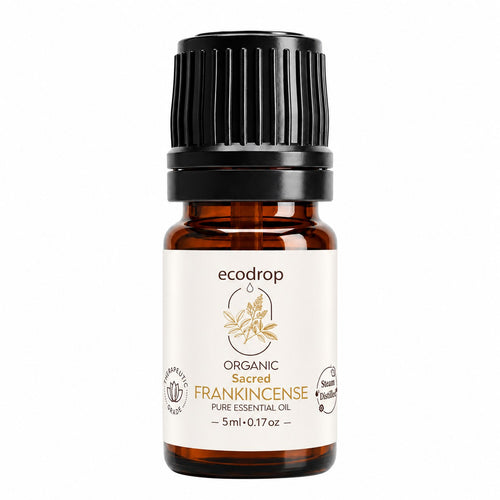
Frankincense essential oil is a powerful natural remedy with a long history in traditional medicine. It is extracted from the resin of the Boswellia tree, which oozes from the bark and hardens into golden "tears".
Pure organic frankincense oil offers a wide range of therapeutic properties for both body and mind. It is best known for calming stress and anxiety, supporting easier breathing and keeping skin healthy. But there are several types, and each one has its own scent and strengths.

The 6 types of frankincense at a glance
| Type | Native to | Scent | Best known for |
|---|---|---|---|
| Carterii (Boswellia carterii) | Somalia, Oman and Yemen | Sweet, warm and spicy | Calm, meditation and skin |
| Sacra (Boswellia sacra) | Oman and Yemen | Sweet, warm and spicy | Meditation, sleep and glowing skin |
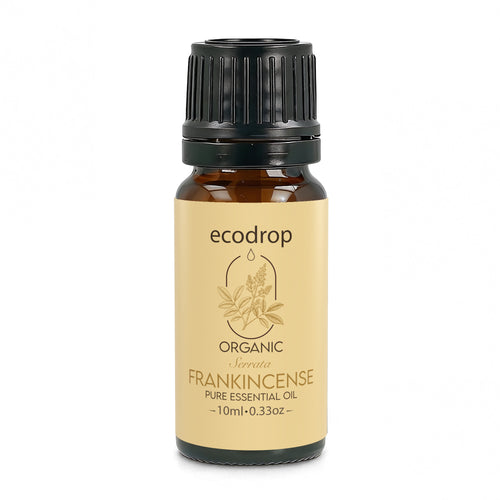
| Serrata (Boswellia serrata) | India | Fresh, woody and slightly spicy | Inflammation, joints and pain |
| Neglecta (Black frankincense) | Somalia | Strong, spicy and woody | Grounding, colds and breathing |
| Papyrifera (Paper frankincense) | Ethiopia, Eritrea and Sudan | Fresh, light and resinous | Mood and balance |
| Frereana | Somalia | Fresh, woody and slightly spicy | Easier breathing, colds and flu |
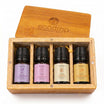
Want to try more than one? Our frankincense essential oil collection brings four types together, so you can compare them side by side.
Boswellia carterii: benefits and uses
Boswellia carterii, or Frankincense Carterii, has a sweet, warm and spicy scent. It is known for its calming, grounding properties, and is often used in meditation, yoga and aromatherapy to bring a sense of peace and tranquillity.
It is also a favourite in skincare, thanks to its anti-inflammatory and rejuvenating properties. Add a drop or two to a face oil or cream for a smoother, more radiant look. See our frankincense and myrrh face cream recipe.
Boswellia sacra: is it the same as Carterii?
Very nearly. Sacra and Carterii are close cousins, and some botanists treat them as the same species. In practice, Sacra usually comes from Oman and Carterii from Somalia.
Frankincense Sacra has a sweet, warm, spicy scent. Its calming, grounding qualities make it perfect for meditation and yoga, and it supports healthy, glowing skin with its anti-inflammatory properties.
Boswellia serrata: benefits and uses
Boswellia serrata grows in India and gives organic Frankincense Serrata essential oil. It has a fresh, woody and slightly spicy scent.
Serrata is valued for its anti-inflammatory and pain-relieving benefits. It is traditionally used to help with arthritis and other inflammatory conditions, often in a diluted massage oil rubbed into stiff, achy joints.
Boswellia carterii vs serrata: which is better?
Neither is better. They are simply good at different things. Choose by what you want to use it for.
- Choose Carterii or Sacra for calm, sleep, meditation and skincare. The scent is sweeter and softer.
- Choose Serrata for massage on sore joints and muscles. The scent is fresher and more woody.
- For skin: Carterii and Sacra are the classic choice for face oils and creams, though Serrata works well too.
- For a diffuser: all of them work. Carterii and Sacra feel the most calming.
Black frankincense (Boswellia neglecta) benefits
Boswellia neglecta, also called Black Frankincense, is native to Somalia. It has a strong, spicy and woody scent, deeper and darker than the other types.
It is known for its grounding properties and is often used in meditation and yoga. It is also used to help with respiratory issues, and as a natural remedy for colds and flu.
Neglecta vs serrata: Neglecta is darker and spicier, and best for grounding and breathing. Serrata is fresher, and best for joints and inflammation.
Boswellia papyrifera (paper frankincense)
Boswellia papyrifera grows in Ethiopia, Eritrea and Sudan. Its name comes from its thin, papery bark. It has a fresh, light and resinous scent, and has been burned as incense for centuries in the region.
In aromatherapy, Papyrifera is used to lift the mood and bring a sense of balance. It is a gentle choice for daytime diffusing and meditation.
Boswellia frereana benefits
Boswellia frereana grows in the north of Somalia. It has a fresh, woody and slightly spicy scent.
Frereana is known for its ability to help with respiratory issues, and it can be used as a natural remedy for colds and flu. Diffuse it, or add a few drops to a bowl of hot water for a soothing steam.
How to use frankincense oil for eyesight
Frankincense is never put directly into or on the eyes. Instead, it is diluted in a carrier oil and massaged around the temples and cheekbones to support eye health. Its anti-inflammatory properties, especially in Frankincense Serrata, may help ease eye strain and tension.
- Mix 1 to 2 drops of frankincense into 10ml of a carrier oil such as jojoba.
- Rub a little onto your fingertips and massage gently in small circles on your temples and along your cheekbones.
- Stay well away from the eyelids and the eye itself. Wash your hands after.
- Close your eyes and breathe slowly for a minute. It is a lovely break after screen time.
Safety first
If oil gets into your eye, rinse it with plenty of clean water and get medical help if it stays sore. For any change in your vision, see an optician or doctor.
Frankincense on the bottom of your feet
Applying diluted frankincense oil to the soles of your feet allows its calming, grounding benefits to absorb quickly into the body. This can help reduce stress, support relaxation and promote emotional balance.
Many people also use frankincense on their feet to support immune function, especially before sleep, as the scent helps encourage deep rest. Mix 3 to 4 drops into a teaspoon of carrier oil and massage it in at bedtime.
Frankincense oil benefits and uses
With its grounding, calming properties, frankincense is one of the most useful oils you can own. Here are its main benefits:
- Helps reduce stress and anxiety
- Supports calm meditation, yoga and better sleep
- Helps with respiratory issues, colds and flu
- Supports healthy, glowing skin with anti-inflammatory properties
- Helps ease joint pain and inflammation (Serrata)
- Promotes mental clarity and focus
For easy ways to use it at home, try our 9 frankincense diffuser blends or read how to use frankincense for skin care.
Frankincense oil precautions
- Always dilute frankincense in a carrier oil to prevent skin irritation.
- Avoid the eyes, inner ears and other sensitive areas.
- Patch test on your inner forearm and wait 24 hours before wider use.
- If you are pregnant or breastfeeding, ask your GP or midwife first.
- Keep oils out of reach of children and pets, and do not take them by mouth.
- Choose a pure, organic, ethically sourced oil with no synthetic additives.
FAQs
How do you use frankincense oil for eyesight?
Dilute 1 to 2 drops in 10ml of a carrier oil and massage it gently around your temples and cheekbones. Its anti-inflammatory properties may help ease eye strain and tension. Never put it in or on the eyes themselves.
What is the difference between Boswellia carterii and serrata?
Carterii grows in Somalia and nearby, and has a sweeter, warmer scent that suits calm, meditation and skincare. Serrata grows in India, smells fresher and woodier, and is valued for joints and inflammation.
Is Boswellia carterii the same as Boswellia sacra?
They are very close, and some botanists treat them as one species. Sacra usually comes from Oman and Carterii from Somalia. Both are sweet, warm and calming, and both are lovely for skin.
What are the benefits of black frankincense?
Black frankincense (Boswellia neglecta) has a strong, spicy, woody scent. It is grounding for meditation and yoga, and is used to help with respiratory issues, colds and flu.
What happens when you put frankincense on the bottom of your feet?
The calming, grounding benefits absorb quickly through the soles of your feet. This can help reduce stress and support relaxation, and many people use it before sleep to support immune function and deep rest.
What does frankincense oil do to the brain?
Frankincense promotes relaxation and mental clarity. Its scent works through the limbic system, the part of the brain linked to emotion, which may help reduce anxiety, ease stress and improve focus. Many people use Sacra during meditation.
Which frankincense is best for the face?
Carterii and Sacra are the classic choices for face oils and creams, thanks to their anti-inflammatory and rejuvenating properties. Always dilute them first and patch test.
The bottom line
Every type of frankincense has its own strengths. Choose Carterii or Sacra for calm and skin, Serrata for joints and inflammation, and Neglecta or Frereana for easier breathing. Use it safely, always diluted, and find every type in our essential oils collection.
New to myrrh? Read our myrrh essential oil guide for uses, blends and safety tips.