



Essential Oils for Gardening: Give Bugs and Fungus No Chance
Which essential oils are good against bugs in the garden? Easy plant sprays with peppermint, tea tree and more to deter pests and fungus naturally.
In this guide
The best essential oils for garden pests are rosemary, peppermint and lavender, and tea tree is the go-to oil against fungus. Mixed with water in a spray bottle, they help keep bugs off your plants without harsh chemicals. Below are two easy plant sprays, the pests each oil repels and how to use them safely on your plants.
Key takeaways
- Rosemary, peppermint and lavender repel common garden pests such as aphids, flies, beetles and mosquitoes.
- Tea tree is the oil to reach for when you spot signs of fungus.
- A simple bug spray is 15 drops each of rosemary, peppermint and lavender in a spray bottle of water.
- Always dilute, shake well, and spray in the evening, never in hot sun.
- Rosemary and lavender also attract butterflies, a lovely bonus for any garden.
Why use essential oils in the garden?
If you already use essential oils at home, you might not be surprised that they work in the garden too. They help stop pests and bugs from chewing your plants, and they do it without harming the environment.
There are no pesticides, they are easy to apply, and they are safe to use on your veggies too, even if you garden with your kids or have pets around. Enjoy a bug-free and fungus-free harvest, and flowering beauty on your shelf, balcony or garden.
This all-natural approach even has positive side effects. Rosemary and lavender essential oils, for example, attract butterflies.
What oil is good against bugs in the garden?
Each oil works on a different set of pests. Here is a quick guide to the best essential oils for garden pest control.
| Oil | Pests it helps repel | Bonus |
|---|---|---|
| Rosemary | Flies, fleas, mosquitoes and their larvae | Attracts butterflies |
| Peppermint | Aphids, flies, beetles and spiders | Works indoors too |
| Lavender | Aphids, squash bugs, whitefly, ants, beetles and fleas | Attracts butterflies |
| Tea tree | Fungus on leaves and stems | Emergency fungal treatment |
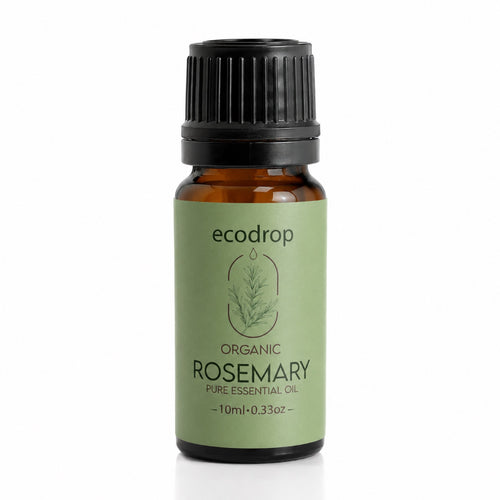
Rosemary essential oil
Rosemary has a wonderful, woody scent and works brilliantly to help repel many garden pests, including flies, fleas and mosquitoes. It is known to repel even the larvae themselves. Place a few drops right on a pot to stop bugs chewing the leaves, or mix it into a spray.
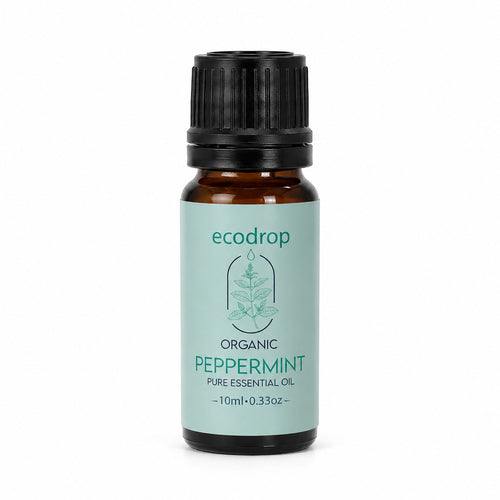
Peppermint essential oil
Peppermint has a sweeter scent and repels garden pests like aphids, flies and beetles. Even spiders cannot stand it! Indoors, you can use peppermint oil and water around skirting boards or in cupboards to keep spiders away.
Lavender essential oil
Lavender is a great natural insecticide. It works on aphids, squash bugs, whitefly, ants, beetles and fleas, to name just a few, and it attracts butterflies. Use it alongside peppermint and rosemary for the best results.
Essential oil sprays for plants
These two simple sprays cover the main garden problems: bugs and fungus. Shake the bottle well before every use, as oil and water separate.
1. Essential Oil Bug Spray
Best for: aphids, flies, beetles and other garden pests
- 15 drops Rosemary oil
- 15 drops Peppermint oil
- 15 drops Lavender oil
- 1 bottle Spray bottle filled with water
Mix the oils into the water and shake before each use. Spray around and on the leaves. If you are dealing with an invasion, reapply after watering or rain, as it washes off the leaves easily.
2. Fungal Emergency Treatment
Best for: plants showing early signs of fungus
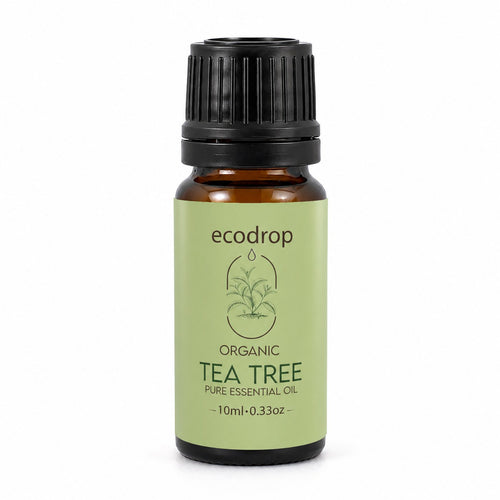
- 1 tbsp Tea tree oil
- 1 bottle Spray bottle filled with water
Mix well and apply twice a week, or after heavy rain, on the plant you think is infected. Do not spray the leaves on hot days. Apply at night so the leaves do not get burned. Nature provides!
How to stop fungus on plants naturally
Most plant death and weakness is caused by fungus. Many plant diseases come from parasitic fungi, which damage the plant's cells and steal its nutrients.
The secret is to start treatment early. Watch for signs such as spots, powdery patches or wilting leaves, and if in doubt, start using the tea tree spray straight away.
Pro tip
Test any new spray on one or two leaves first and wait a day. If the leaves look healthy, spray the rest of the plant.
Can you spray peppermint oil on plants?
Yes. When diluted properly, peppermint, lavender, rosemary and tea tree oils are safe for most plants. They protect against pests and fungus while letting your plants grow naturally.
Problems only happen when oil is used neat or too strong, or sprayed in strong sunlight. That can burn the leaves. Always mix your oils with water, shake well and spray in the evening.
Safety tips for garden sprays
Safety first
Never pour essential oils neat onto plants or soil. Keep your oils and sprays out of reach of children and pets, and label your spray bottle clearly.
- Spray in the evening or on a cloudy day, never in hot midday sun.
- Avoid spraying open flowers where bees are feeding.
- Let the spray dry before pets or children play near the plants.
- Wash your veggies before eating them.
- Avoid getting the spray in your eyes, and wash your hands after use.
FAQs
What essential oils keep bugs away from plants?
Peppermint, rosemary and lavender naturally repel insects. They help deter aphids, flies, beetles and mosquitoes, and peppermint also keeps spiders away.
What oil is good against bugs?
Peppermint oil mixed with water works well. It keeps spiders, flies and beetles away and adds a fresh scent to your garden. For the widest protection, combine it with rosemary and lavender.
Is lavender oil safe for plants?
Yes. Lavender is one of the best essential oils for gardening. It acts as a natural insect repellent and attracts butterflies, making it safe and useful for most plants when diluted in water.
Will peppermint oil kill or hurt plants?
Not when it is diluted. Neat or very strong peppermint oil can burn leaves, especially in sunshine, so always mix it with water and spray in the evening.
Which essential oil is best for aphids?
Peppermint and lavender both repel aphids. The bug spray above combines them with rosemary for extra protection.
Can I use tea tree oil on plants?
Yes. Tea tree is the oil to use against fungus. Mix it with water and spray twice a week or after heavy rain, at night and never on hot days.
Are essential oils bad for plants?
No. When diluted properly, essential oils are safe and helpful for plants. They protect against pests and fungus while promoting natural growth.
The bottom line
Essential oils are a natural, eco-friendly way to protect your plants from pests and fungus. Rosemary, lavender and peppermint keep bugs away, while tea tree helps control fungus. For more ideas, read our natural insect repellents and our guide to bee and wasp sting remedies, and find every oil in our essential oils collection.