






Parfum maison aux huiles essentielles : créez votre fragrance signature
How to make your own perfume with essential oils, what to keep in mind, a simple recipe, and which scents go well with lavender and frankincense.
In this guide
To make your own perfume with essential oils, you blend top, middle and base notes, then mix them with alcohol, a little distilled water and glycerine. It is easy, fun and lets you create a scent that is truly yours. Here is how to create a scent at home, a simple essential oil perfume recipe and the oils that go best together.
Key takeaways
- A good perfume has top, middle and base notes. A simple balance is 3 parts top, 5 parts middle and 2 parts base.
- You only need vodka or pure alcohol, distilled water, glycerine and your favourite essential oils.
- Let your blend rest for 24 hours, then another 24 hours after adding the alcohol, so the scents can meld.
- Homemade perfume fades faster than shop-bought, so make small batches and keep notes.
- Always patch test, and keep citrus perfume off skin that will be in strong sun.
Why make your own perfume?
Making your own cosmetics, especially perfume, has many benefits. It is better for the environment because it avoids industrial production. It is also better for your health, because you control every ingredient.
Most of all, a homemade perfume lets you express your personality. The essential oils you choose reflect your energy and mood, so you are not just blending oils, you are crafting your own personal scent.
Make a perfume for yourself, or as a thoughtful gift for someone else. Combine the scents you love, set an intention, and let your blend tell a story.
How to create a scent: top, middle and base notes
Professional perfumers build every fragrance from three layers, called notes. Each one evaporates at a different speed, so your perfume changes gently as you wear it.
| Note | What it does | Essential oils to try |
|---|---|---|
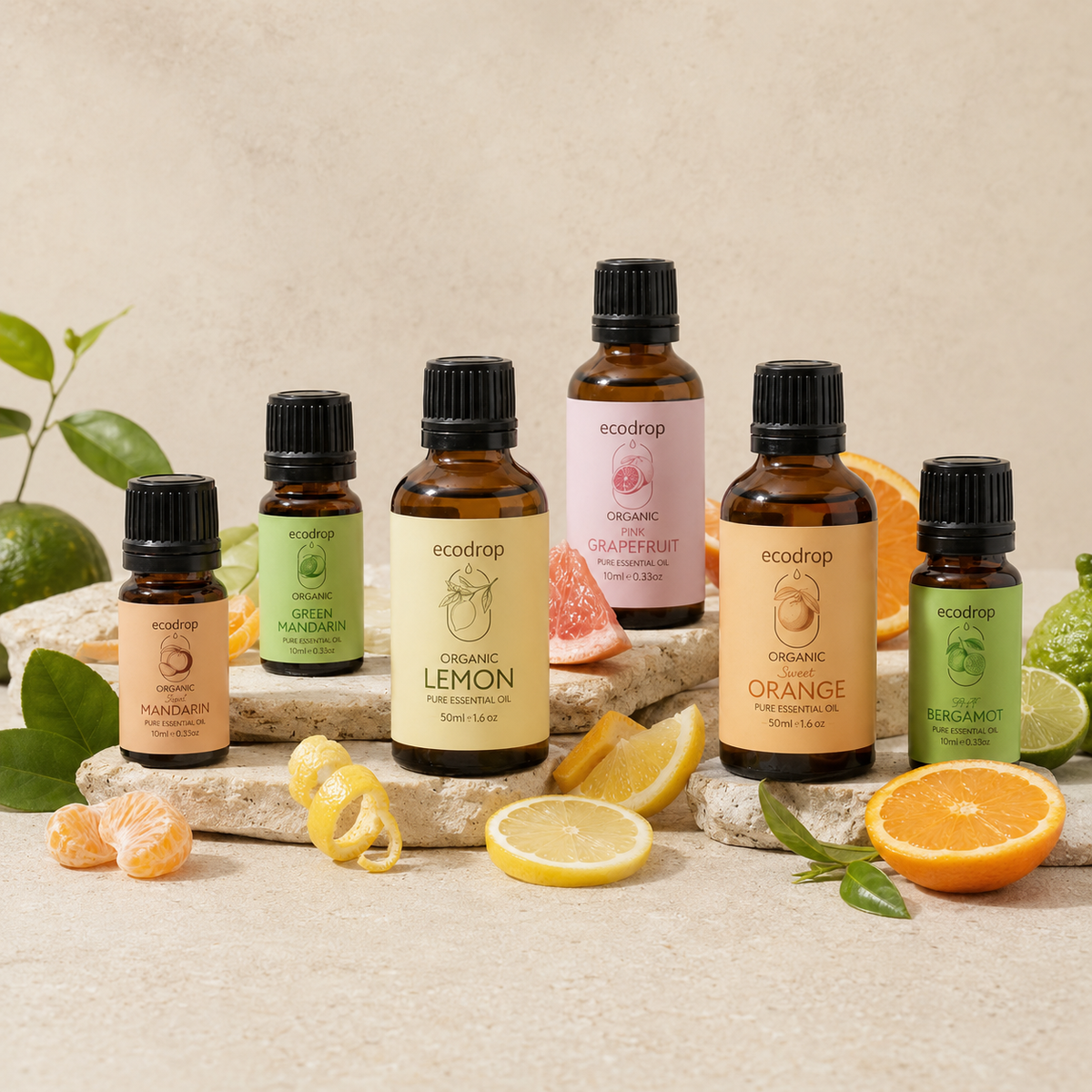
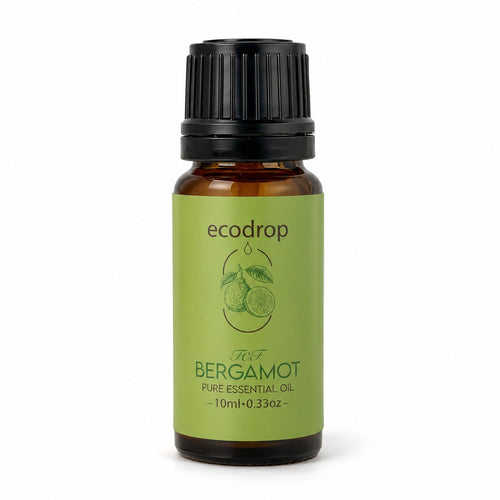
| Top (3 parts) | The first scent you smell. Bright and light, but fades fastest | Bergamot, sweet orange, grapefruit, lemon, peppermint |
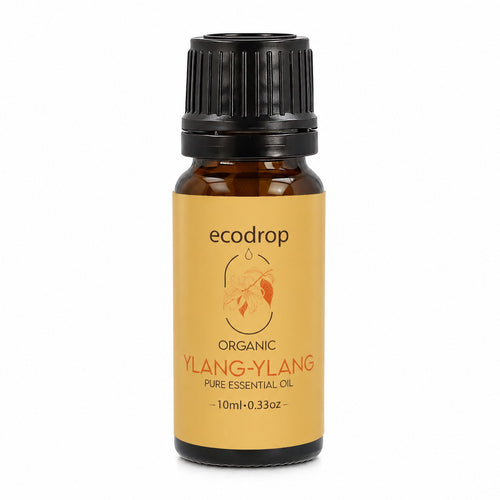
| Middle (5 parts) | The heart of the perfume, and usually the strongest | Lavender, geranium, rose, ylang ylang |
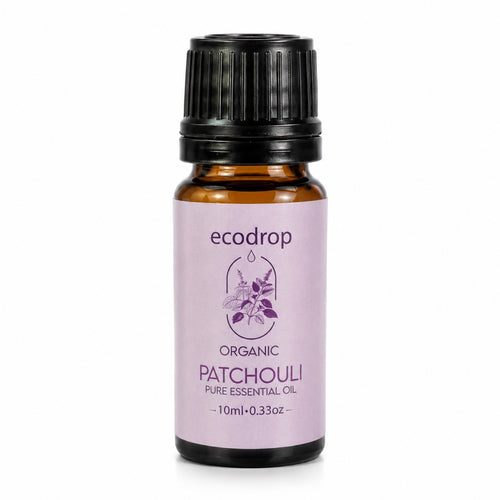
| Base (2 parts) | Deep and warm. It lasts longest and holds the blend together | Frankincense, sandalwood, cedarwood, patchouli, vetiver, myrrh |
A standard balance is 3:5:2, and many people start by choosing their base note first. You can find every oil above in our essential oils collection.
Pro tip
Don't get too technical. Sit down with your oils, breathe each one in and imagine how they might work together. Perfume making should be playful, so trust your nose and your intuition.
Starter scent combinations
Not sure where to begin? These easy trios follow the top, middle and base pattern. Use them as a starting point, then adjust to suit your nose.
- Fresh and floral: bergamot, lavender and cedarwood
- Warm and sweet: sweet orange, ylang ylang and sandalwood
- Soft and romantic: grapefruit, rose and frankincense
- Earthy and grounding: lemon, geranium and patchouli
For more ideas, read our guide to creating signature scents with essential oil blends.
How to make perfume at home with essential oils
This simple DIY perfume uses an alcohol base, which helps the scent spread and lift off your skin. Use a clean 30ml glass bottle with a spray or roller top.
1. DIY Essential Oil Perfume
Best for: your own signature scent or a homemade gift
- 10 to 20 drops Essential oils of your choice
- 1/4 part Distilled water
- A few drops Glycerine
- To top up Vodka or other pure alcohol
- Optional Dried flower petals
Glycerine and distilled water help the scent last longer on your skin. The petals are just for looks, so add them if you would like a pretty bottle.
Here is how to make it:
- Add 10 to 20 drops of essential oils in total to your bottle.
- Gently swirl the bottle to sense how the scents blend.
- Leave it to sit for 24 hours so the fragrances can meld.
- Add 1/4 part distilled water and a few drops of glycerine.
- Top up the bottle with vodka. Shake well and leave it to rest for another 24 hours.
- Add dried petals for a beautiful finishing touch.
We suggest a 30ml bottle for this recipe. With 10 to 20 drops, that keeps the essential oils at a skin-friendly 2 to 3 percent.
Things to keep in mind when making your own perfume
Homemade perfumes fade faster than shop-bought ones, because they are natural and free from synthetic fixatives. They also have a shorter shelf life, so it is best to make small batches.
- Make it last longer: add glycerine and distilled water to your alcohol base, and apply it to clean skin over a scent-free lotion or oil.
- Where to wear it: dab or spray on your neck, wrists and clothing, or lightly mist the ends of your hair.
- Use roller bottles: they are reusable, easy to carry and ideal for testing new blends for different moods.
- Label everything: keep a notebook of each blend, so you can recreate your favourites later.
- Store it well: keep your perfume in a cool, dark place, away from direct sunlight.
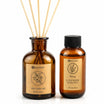
You can carry your signature scent through your home too, with diffuser blends, candles or a matching room spray. Try our DIY essential oil room sprays.
Is homemade essential oil perfume safe?
Safety first
Essential oils are strong, so keep the total to 10 to 20 drops in a 30ml bottle. Patch test on your inner arm and wait 24 hours before wearing a new blend.
- Lemon, grapefruit and regular bergamot can make skin sensitive to sunlight. Choose bergamot FCF, or spray citrus perfumes on clothes on sunny days.
- Keep perfume away from your eyes, and out of reach of children and pets.
- If you are pregnant or breastfeeding, check with your GP or midwife before using essential oils on your skin.
- Stop using any blend that causes redness or itching.
FAQs
Can I make my own perfume with essential oils?
Yes. Mix 10 to 20 drops of essential oils with alcohol, a little distilled water and a few drops of glycerine. Let it rest for a couple of days, and you have your own natural perfume.
Can you make perfume at home from flowers?
The scent in our recipe comes from essential oils, which are distilled from plants such as lavender, rose and geranium. Dried flower petals are a lovely extra, but they are mainly there to make the bottle look beautiful.
What scents go well with frankincense?
Frankincense pairs well with warm, earthy and citrus scents. It blends beautifully with myrrh, sandalwood, bergamot, orange, lavender and patchouli. These combinations bring out its grounding, spiritual feel in perfumes, candles and meditation blends.
What scent goes well with lavender?
Lavender blends well with citrus and floral scents such as bergamot, lemon, orange, rose and geranium. It also pairs nicely with deeper notes like cedarwood or frankincense, for relaxing and soothing perfumes.
How do I make my perfume last longer?
Add glycerine and distilled water to your alcohol base, and use plenty of base notes such as sandalwood or patchouli. Apply it over an unscented lotion and dab a little on your clothes as well.
What scent do spiders hate?
Spiders are repelled by strong-smelling essential oils such as peppermint, tea tree, eucalyptus and lemon, as these scents disturb their sensory organs. Use them in a spray or diffuser around windows and doors to keep spiders away without chemicals.
How do you use essential oils to scent a room?
Add 5 to 10 drops of your favourite oils to the water in a diffuser, or to a humidifier made for oils. You can also use reed diffusers, room sprays or cotton balls tucked into corners for a gentle, natural fragrance.
The bottom line
Making your own perfume is simple: pick a top, middle and base note, blend them in a 3:5:2 balance and let the alcohol base do the rest. Keep notes, start small and let your nose guide you. Find all the oils you need in our essential oils collection.

Continuez à lire


