







Huile essentielle de romarin : utilisations, bienfaits et recettes
Rosemary oil benefits and uses for focus, hair and skin, with easy aromatherapy recipes and how to use rosemary oil safely on skin.
In this guide
Rosemary oil benefits the mind, skin, hair and circulation. Its fresh, herbal scent is known to sharpen focus and memory, while diluted on the skin and scalp it supports clearer skin and healthy hair growth. Below are the main rosemary essential oil uses and benefits, the oils it blends well with, and 3 simple recipes to try at home.
Key takeaways
- Rosemary essential oil is good for focus, memory, skin clarity, hair growth and circulation.
- It is rich in antioxidants and has antimicrobial and stimulating properties.
- Rosemary blends well with citrus, mint and woody oils, such as sweet orange, peppermint, lavender and cedarwood.
- Diffuse it for focus, or dilute it in a carrier oil for skin, scalp and massage.
- Never use it undiluted on the skin, and avoid it in pregnancy and if you have epilepsy or high blood pressure.
What is rosemary oil good for?
Rosemary has long been used for cooking and for medicinal purposes. Rosemary essential oil has an invigorating aroma that energises both the mind and the body. It is one of the most versatile oils in aromatherapy.
Its antioxidant, antimicrobial and stimulating properties make rosemary a multipurpose herb. People use it to improve brain function, promote skin clarity, support hair growth and energise circulation. Its fresh, camphor-like scent comes from natural compounds such as 1,8-cineole (eucalyptol) and camphor.

| Benefit | How to use it |
|---|---|
| Focus and memory | Diffuse in your workspace, or use the roller blend |
| Skin clarity, acne and scars | A few drops in a facial serum |
| Hair growth and dry scalp | Diluted in a hair oil and massaged into the scalp |
| Circulation and tired muscles | Diluted in a massage oil, or diffused for a lift |
4 benefits of rosemary essential oil
1. Brain function, focus and memory
Rosemary is one of the best-known oils for the brain. In one study, inhaling rosemary led to a significant increase in memory recall of images and numbers. The volunteers felt refreshed, and the results showed a stimulating effect on brain wave activity.
To enjoy these rosemary oil aromatherapy benefits, diffuse it in your workspace. Many people find it helps focus, concentration and mental clarity.
2. Skin care: acne, scars and inflammation
Rosemary might be one of the most undervalued oils for skincare, but it could be your skin's best friend. It is an excellent source of antioxidants and has antimicrobial properties (Nieto, Gema et al., 2018).
It also stimulates local blood flow, skin-cell regeneration and lymphatic drainage. These properties make rosemary essential oil a strong choice for relieving acne, scars and inflammation. For the face, always use it well diluted in a serum, like the recipe below.
3. Hair growth and a healthy scalp
Rosemary's stimulating action makes it a staple in hair care and growth routines. It has been used in Mediterranean traditions to treat a dry scalp, itchiness and dandruff.
In one study, rosemary essential oil promoted hair growth in mice. More research is needed, but it is a promising natural option for hair vitality and strength. Read more in our guide to rosemary oil for hair growth.
4. Circulation and energy
Rosemary is stimulating and revitalising, which makes it a top choice for circulation. One study showed that inhaling rosemary increased heart rate, blood pressure and breathing rate, while lifting mood and alertness.
Healthy circulation helps relieve muscle tension and fatigue. A diluted rosemary massage oil or a lemon and rosemary bath are easy ways to enjoy it.
What does rosemary essential oil blend well with?
Rosemary blends beautifully with citrus, mint and woody scents. Its sharp, herbal note works best when you soften it with something sweet or round it out with something warm.

| Oil | What it adds | Try it for |
|---|---|---|
| Sweet orange | Sweet, juicy citrus | Mood and focus |
| Peppermint | Cool, minty lift | Energy and clear thinking |
| Lemon | Clean, sharp citrus | A fresh home and alertness |
| Grapefruit | Tangy, uplifting citrus | Motivation |
| Lavender | Soft, herbal floral | Scalp care and calm |
| Cedarwood | Dry, warm wood | Hair oils and grounding |
| Frankincense | Soft, resinous warmth | Skin serums |
| Bergamot | Bright, floral citrus | Skin and mood |
| Eucalyptus | Fresh, clearing air | Easier breathing |
| Tea tree | Fresh, medicinal note | Blemish-prone skin and scalp |
| Pine | Crisp forest scent | Tired muscles |
Pro tip
For an easy energising diffuser blend, try 3 drops of rosemary with 2 drops of sweet orange and 1 drop of peppermint. Rosemary gives focus, orange lifts the mood and peppermint adds a fresh kick.
Rosemary essential oil recipes
These three recipes cover skin, hair and focus. Mix them in a clean, dark glass bottle and label it.
1. DIY Facial Serum: Anti-Scarring and Acne Treatment
Best for: acne-prone or scarred skin
- 10ml Grapeseed oil
- 20ml Jojoba oil
- 2ml Vitamin E
- 3 drops Rosemary oil
- 2 drops Frankincense oil
- 1 drop Bergamot oil
This serum combines the stimulating power of rosemary with soothing frankincense and refreshing bergamot. Use 2 to 3 drops on clean skin daily to support acne-prone or scarred skin.
2. DIY Rosemary Hair Oil
Best for: hair growth, dry scalp and dandruff
- 15ml Avocado oil
- 15ml Argan oil
- 3 drops Rosemary oil
- 2 drops Lavender oil
- 2 drops Atlas cedarwood oil
This blend combines some of the best oils for hair health. It promotes growth, soothes a dry scalp and helps prevent dandruff. Massage it into the scalp and work it from roots to ends.
3. Boost Memory and Focus Roller Bottle
Best for: focus, mood and concentration
- 10ml Carrier oil (sweet almond, jojoba or evening primrose)
- 2 drops Rosemary oil
- 2 drops Sweet orange oil
- 2 drops Peppermint oil
Rosemary, sweet orange and peppermint are stimulating and refreshing, and known for their memory and mood-boosting properties. Roll onto your palms and pulse points, then breathe in to get into the working zone.
How to use rosemary essential oil
- Diffuser: add 3 to 5 drops to the water in your diffuser and run it for 30 to 60 minutes.
- Skin and face: dilute in a carrier oil at around 1 percent for the face and up to 2 percent for the body.
- Hair and scalp: mix into a hair oil, massage into the scalp, leave for at least 30 minutes, then wash out.
- Massage: blend with a carrier oil and massage into tired muscles to boost circulation.
- Bath: mix a few drops with a carrier oil or bath salts first, as oil does not mix with water.
Need help picking a base? See our guide on how to choose your carrier oil.
Is rosemary oil safe on skin?
Safety first
Never apply rosemary essential oil directly to the skin or scalp. Always mix it with a carrier oil such as jojoba or sweet almond, and do a patch test on your inner arm 24 hours before first use.
- Avoid rosemary if you are pregnant or breastfeeding, have epilepsy or have high blood pressure.
- Do not use it on or near the face of babies and young children.
- Keep it away from your eyes. If you get oil in your eye, rinse with a carrier oil, then water.
- Keep oils out of reach of children and pets, and diffuse away from cats.
- Stop using it if you notice redness, itching or irritation.
FAQs
What is rosemary essential oil used for?
Rosemary essential oil is used to improve memory and focus, promote hair growth, stimulate circulation and rejuvenate the skin. Its aromatherapy benefits also include reducing fatigue and lifting the mood with its refreshing herbal scent.
What are the benefits of rosemary oil for skin?
Rosemary is rich in antioxidants and has antimicrobial properties. It stimulates local blood flow, skin-cell regeneration and lymphatic drainage, which makes it popular for acne, scars and inflammation. Always use it diluted.
How do you use rosemary essential oil on your face?
Mix it into a facial serum at a low dilution, such as 3 drops in 30ml of carrier oil, like the serum recipe above. Patch test first and keep it away from your eyes.
What essential oil goes well with rosemary?
Rosemary goes well with sweet orange, lemon, grapefruit, peppermint, lavender, cedarwood, frankincense and eucalyptus. Citrus softens it, mint makes it brighter and woods make it warmer.
Can I use rosemary essential oil directly on skin?
No. Pure rosemary essential oil should not be used directly on the skin or scalp, as it may cause irritation. Mix a few drops with a carrier oil like jojoba or almond first.
What are the benefits of diffusing rosemary oil?
Diffusing rosemary is a simple way to enjoy its aromatherapy benefits. Many people use it to boost focus, concentration and memory, reduce tiredness and freshen the air while they work.
What is the proper way to use rosemary oil?
Diffuse it for focus, mix it into carrier oils for massage, or add it to DIY skincare and haircare blends. Always dilute it properly before putting it on the skin.
The bottom line
From sharpening the mind to rejuvenating skin and hair, rosemary oil benefits are wide-ranging. It blends beautifully with citrus, mint and woody oils, so it is easy to make your own recipes. Find rosemary and its best partners in our essential oils collection.
This information is not meant to treat or diagnose any medical condition, and it does not replace professional medical advice. Always consult a healthcare practitioner for treatment. Take care if you are diabetic, epileptic, pregnant, breastfeeding or have a serious health condition.
Shop the oils in this guide
See all essential oils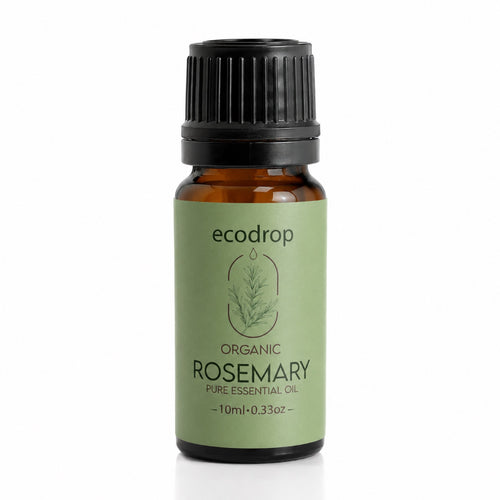 Huile essentielle de romarin bioFrom £7.99
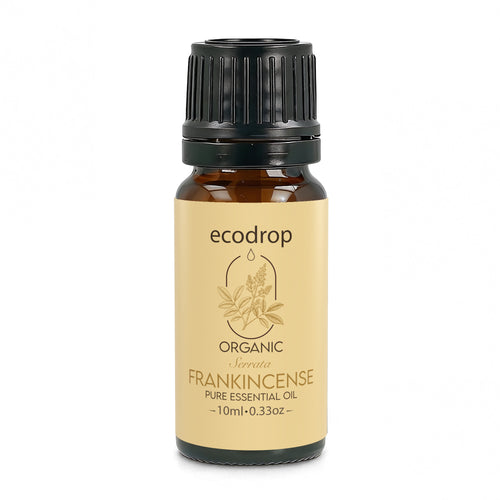 Huile essentielle de Boswellia serrata biologiqueFrom £7.99
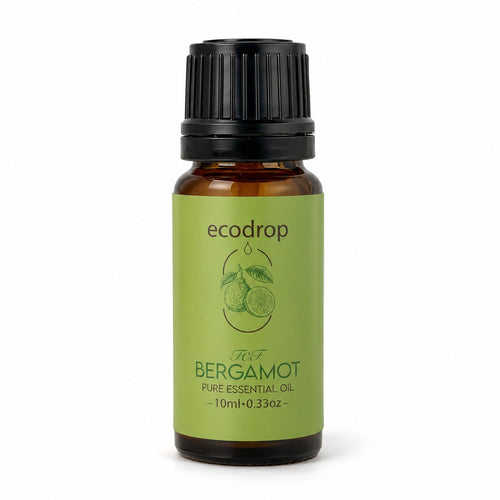 Huile essentielle de bergamote FCFFrom £6.99
 Huile essentielle de lavande française biologiqueFrom £7.99
 Huile Essentielle de Cèdre Atlas BiologiqueFrom £6.99
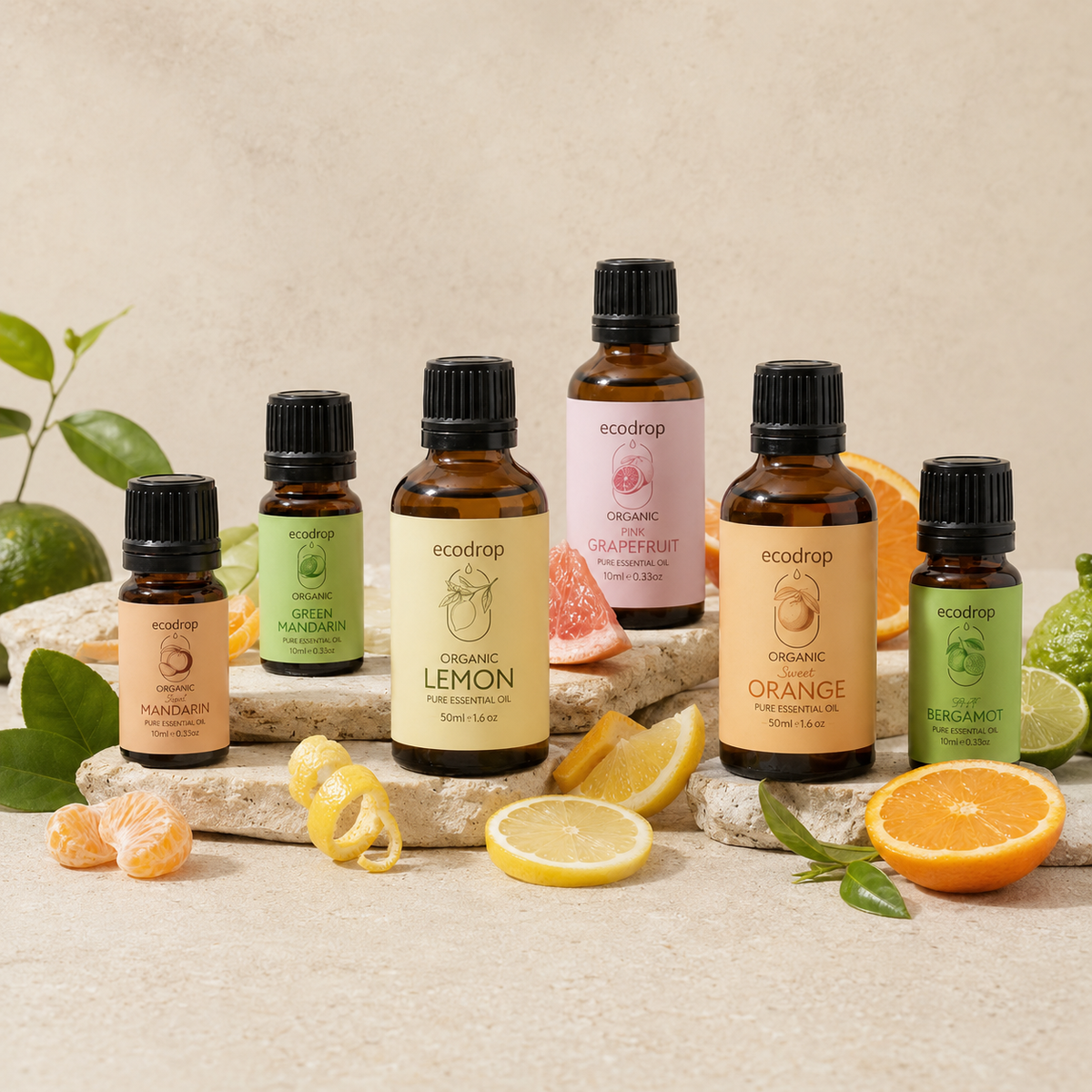
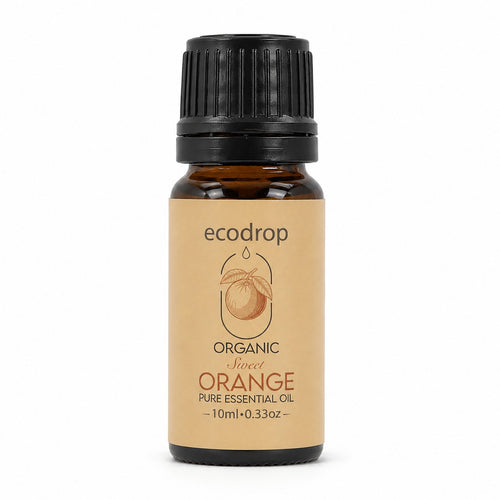 Huile essentielle d’orange bioFrom £6.99
Continuez à lire
D'autres guides qui pourraient vous plaire

Sérum au bakuchiol : ses bienfaits, son utilisation et comparaison entre bakuchiol et rétinol
Read article
Comment utiliser l’huile essentielle d’encens pour prendre soin de la peau et retrouver un éclat naturel
Read article