





5 populære æteriske olier, der støtter immunforsvaret
The best essential oils for immune support, with eucalyptus, tea tree and lemon blends for the diffuser, steam and hand care.
In this guide
The best essential oils for the immune system are ginger, eucalyptus, tea tree, clove bud and lavender. Alongside a good diet, sleep and exercise, aromatherapy is a simple way to support your body's natural defences. Below you will find what each oil does, three easy immunity recipes and how to use them safely.
Key takeaways
- Ginger, eucalyptus, tea tree, clove bud and lavender are five of the most popular essential oils for immune support.
- They can help clear germs from the air, ease breathing and calm the stress that weakens immunity.
- Use them in a diffuser, a facial steam or a bath soak. Recipes are below.
- Never swallow essential oils, and never add eucalyptus oil to tea or drinks.
- Dilute before skin use, and take care around children, pregnancy and pets.
How can aromatherapy support the immune system?
Your immune system is your body's line of defence. It protects you from illness, imbalance and stress. A nourishing diet, regular exercise and healthy habits come first, and aromatherapy can be a helpful extra layer.
Essential oils can protect, balance and support the immune system in two ways: physically and mentally. They can help clear germs from the air, promote healthy breathing, and stimulate or balance immune function. They also ease anxiety and stress, which can have a big effect on how well your immunity works.
What are the best essential oils for immunity?
Here are five of the best immune-boosting essential oils, and what each one is known for.
| Oil | Known for | Best way to use |
|---|---|---|
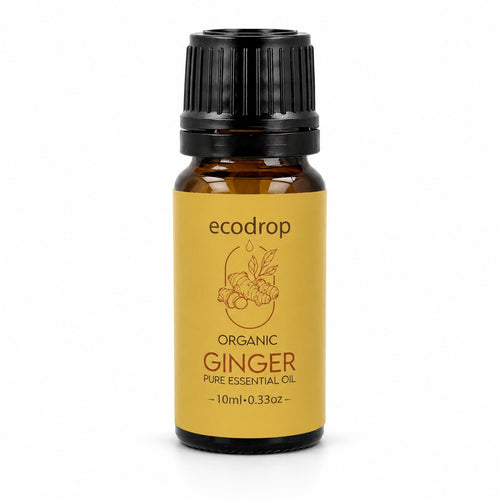
| Ginger | Warming, antimicrobial, antioxidant, supports circulation | Bath soaks, balms, diffuser |
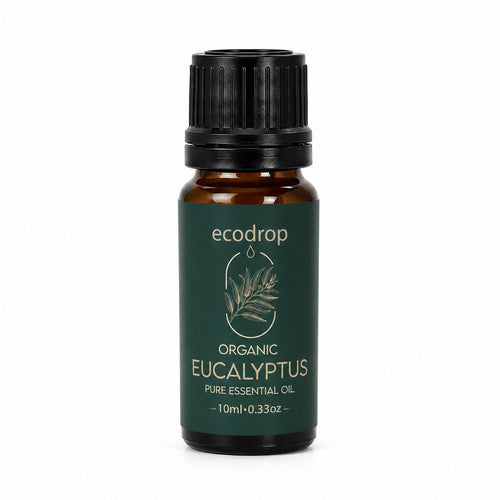
| Eucalyptus | Balances immune function, clears airways | Steam, diffuser |
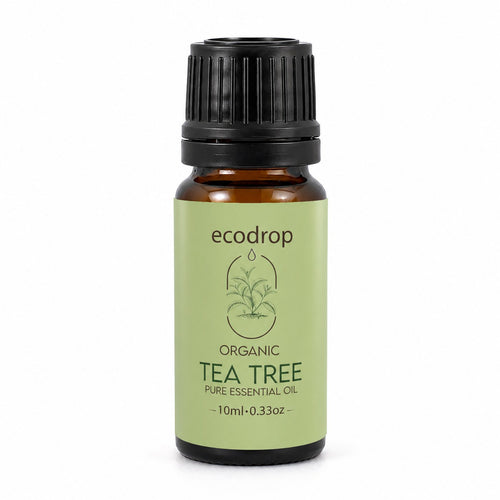
| Tea tree | Strong antimicrobial and antifungal | Diffuser, home cleaning |
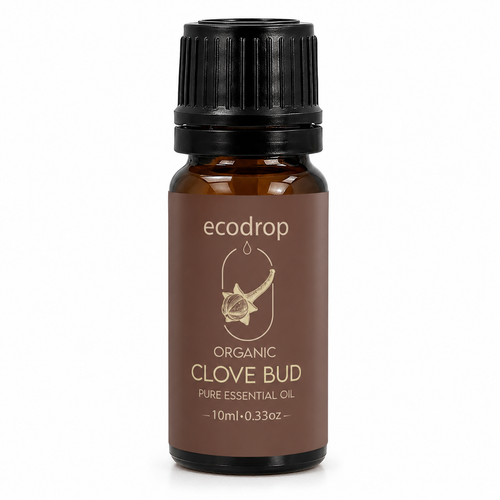
| Clove bud | Rich in eugenol, fights bacteria and oxidative stress | Diffuser blends |
| Lavender | Calming, anti-inflammatory, eases stress-related sickness | Steam, diffuser, bath |
Ginger essential oil
Ginger essential oil is warming and fiery. Its antimicrobial, antioxidant and anti-inflammatory actions make it useful for boosting immune function, especially when your immune system feels low and in need of warmth and stimulation.
Ginger also supports heart and digestive health, which in turn helps strengthen immunity. It is a great companion in the cooler months of autumn and winter. Dilute it in diffuser blends, facial steams, bath soaks, body balms and massage oils.
Eucalyptus essential oil
Eucalyptus essential oil is one of the most popular oils for immune support. It is known for helping with coughs, colds and other breathing problems. It has immunomodulatory effects, which means it helps balance immune function rather than overstimulating it.
Its fresh aroma, rich in eucalyptol, helps clear airways, ease congestion and support healthy breathing. Reach for it for spring allergies, a winter cold or a stuffy nose.
Tea tree essential oil
Tea tree essential oil is prized for its strong antimicrobial, antifungal and anti-inflammatory properties. It helps bring balance to the immune system by calming the inflammatory cytokine response.
Diffuse tea tree to clear germs from the air, or add it to breathing blends, baths and facial steams. You can also use it in DIY home cleaners to tackle germs and bacteria on kitchen surfaces.
Clove bud essential oil
Clove bud essential oil is rich in eugenol, a compound with strong immune-boosting properties. It helps fight inflammation, bacteria and oxidative stress.
Blend clove with eucalyptus, ginger or tea tree for a powerful immunity blend that strengthens your body's defences. Clove is very strong, so one drop is usually enough.
Lavender essential oil
Lavender essential oil has a relaxing, floral aroma. It is known to support breathing and immune function through its anti-inflammatory, antibacterial, antiviral and stress-relieving properties.
It is especially useful for allergies, asthma, chest congestion and illness that comes on with stress. Blend it with eucalyptus, peppermint, lemon, clove or tea tree for best results.
Pro tip
Pair one "clearing" oil (eucalyptus or tea tree) with one "calming" oil (lavender) and one bright or warm accent (lemon, ginger or clove). This simple formula gives you a balanced immunity blend every time.
Immunity essential oil blend recipes
Here are three easy immune booster recipes for your home. Each one uses oils from the list above.
1. DIY Facial Steam
Best for: congestion and a stressed, overactive immune system
- 1 pot Warm water
- 2 drops Eucalyptus oil
- 2 drops Lavender oil
- 1 drop Peppermint oil
Add the oils to a bowl of warm water, not hot enough to burn. Drape a towel over your head and the bowl, close your eyes and breathe the steam for 5 to 10 minutes. Finish with a splash of cool water on your face.
2. Stimulating Bath Soak
Best for: tired, run-down days in autumn and winter
- 1 cup Epsom salt or sea salt
- 1 tbsp Carrier oil (jojoba, sweet almond or grapeseed)
- 3 drops Ginger oil
- 3 drops Lemon oil
- 2 drops Cypress oil
- 2 drops Rosemary oil
Mix the oils into the carrier oil first, then stir into the salt and add to a warm bath. This blend helps stimulate the immune system by boosting circulation and lymphatic flow. Soak for as long as you like and enjoy feeling refreshed and energised.
3. No Germs No More Diffuser Blend
Best for: clearing the air and supporting immune function
- 1 drop Tea tree oil
- 2 drops Lemon oil
- 2 drops Eucalyptus oil
Add the drops to the water in your diffuser and run it for 30 to 60 minutes. Diffuse it around your home to clear germs from the air, lift the mood and support your immune function.
How to use essential oils for immune support
- Diffuser: 4 to 6 drops in total for an average room. Run for 30 to 60 minutes, then take a break.
- Facial steam: 3 to 5 drops in a bowl of warm water, 5 to 10 minutes at a time.
- Bath: always mix the oils into a carrier oil or salt first, so they spread through the water.
- Skin: dilute in a carrier oil at around 1 to 2 percent before massaging into the chest or feet.
- Home cleaning: add tea tree or lemon to a homemade surface spray.
Feeling blocked up? Our 6 DIY essential oil recipes for respiration has more steams, chest rubs and diffuser blends.
Which aromatherapy oils are best for colds?
The best aromatherapy oils for colds are eucalyptus and lavender. They help clear congestion, ease breathing and promote relaxation, so many people diffuse them together in cold and flu season.
Peppermint, tea tree and lemon are also popular. For a full guide, read the benefits of essential oils for colds and coughs.
Is eucalyptus tea good for immunity?
Eucalyptus leaf tea is a traditional herbal drink, often sipped for its fresh flavour when you have a cold. It is made from dried leaves steeped in hot water, not from essential oil.
Never add eucalyptus essential oil to tea or any drink. It is highly concentrated and can be harmful if swallowed. To enjoy eucalyptus for immunity, breathe it in through a diffuser or facial steam instead.
Are immune-boosting essential oils safe?
Safety first
Never swallow essential oils, and never put them on your skin undiluted. Mix them with a carrier oil such as sweet almond or jojoba first, at around 1 to 2 percent.
- Clove is a strong skin irritant. Keep it to diffuser blends, or use no more than a single drop in a large amount of carrier oil.
- Lemon can make skin sensitive to sunlight. Avoid strong sun on skin for 12 hours after using it on skin.
- Avoid using eucalyptus and peppermint on or near babies and young children.
- If you are pregnant or breastfeeding, check with your GP or midwife first.
- Speak to a doctor first if you have asthma, epilepsy or any medical condition.
- Cats and dogs are sensitive to oils. Diffuse in a well-aired room and let pets leave if they want.
FAQs
What essential oil helps you not get sick?
The best essential oils for immunity include eucalyptus, tea tree and ginger. These oils help fight germs, improve breathing and support overall immune strength.
Which essential oil is best for the immune system?
Eucalyptus and clove are among the best essential oils for immune system support. Many people also blend them with lemon and cinnamon.
What is the strongest natural immune booster?
Among essential oils, tea tree and clove are considered some of the strongest natural immune boosters. They are widely used in immune support blends for their ability to protect and balance immunity.
Which essential oil is best for cold and flu?
For colds and flu, eucalyptus and lavender are most effective. They clear congestion, ease breathing and promote relaxation. Many people diffuse them together during flu season.
What is a good immunity essential oil blend recipe?
Try the No Germs No More diffuser blend: 1 drop tea tree, 2 drops lemon and 2 drops eucalyptus. For a warming option, run a bath with ginger, lemon, cypress and rosemary mixed into salt and carrier oil.
Which essential oils can I diffuse for the immune system?
Eucalyptus, tea tree, lemon, lavender, clove and ginger all work well in a diffuser. Use 4 to 6 drops in total and run it for 30 to 60 minutes at a time.
Can I drink eucalyptus oil for immunity?
No. Never swallow eucalyptus essential oil or add it to tea. Traditional eucalyptus tea is made from dried leaves. Use the essential oil in a diffuser or steam instead.
The bottom line
Supporting your body's natural defences does not have to be complicated. Along with a healthy diet and lifestyle, ginger, eucalyptus, tea tree, clove and lavender work together to strengthen your immune system while keeping your mind calm. Start with the No Germs No More diffuser blend, and find every oil in these recipes in our essential oils collection.
For seasonal ideas, see our best spring essential oils for energy, immunity and allergy relief.