



A DIY Natural Mosquito Repellent That Actually Works
The best essential oils for mosquito repellent and an easy DIY natural mosquito repellent balm with lemongrass, eucalyptus and lavender.
In this guide
The best natural mosquito repellent for skin is one that uses strong-smelling essential oils such as citronella, lemongrass, lemon eucalyptus and eucalyptus, in a base that stays on your skin. This DIY mosquito repellent balm does exactly that. It is firm, travel-friendly and lasts longer on the skin than most sprays.
Key takeaways
- The best essential oils for mosquito repellent are citronella, lemongrass, lemon eucalyptus, eucalyptus, peppermint, geranium and lavender.
- A balm gives fuller coverage and stays on the skin longer than a spray, and it will not leak in your bag.
- The recipe makes about two 120ml jars and keeps for around 6 to 12 months.
- Reapply every couple of hours, especially around dawn and dusk when insects are most active.
- Patch test first, keep it away from the eyes, and take extra care with children and in pregnancy.
Why make a natural mosquito repellent?
In many warm and tropical countries, mosquitoes are a real source of frustration, leaving itchy bites that are far from pleasant. Many conventional repellents rely on harsh synthetic ingredients, which is why a lot of people prefer a gentler, natural alternative for their skin.
I have made this balm and used it myself on trips to these countries, and it has become a travel essential. It also helps repel many other types of insect, so it is useful well beyond the tropics.
What are the best essential oils for mosquito repellent?
Mosquitoes find their way by smell, and strong, fresh scents help mask you and put them off. These are the oils used in the balm, and what each one brings.
| Oil | Scent | Why it is used |
|---|---|---|
| Citronella | Fresh, lemony grass | The classic natural insect repellent |
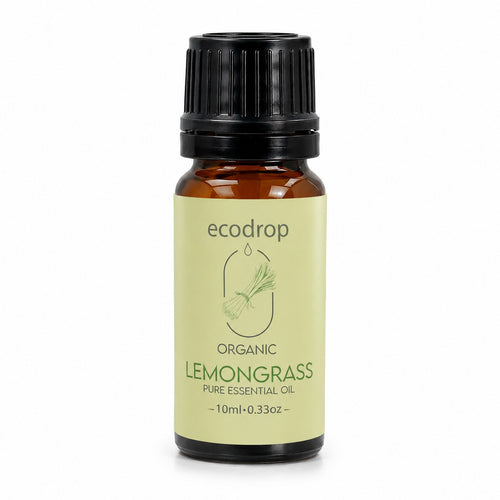
| Lemongrass | Sharp, zesty citrus | A close cousin of citronella, used against biting insects |
| Lemon eucalyptus | Lemony and fresh | One of the most popular plant-based repellents |
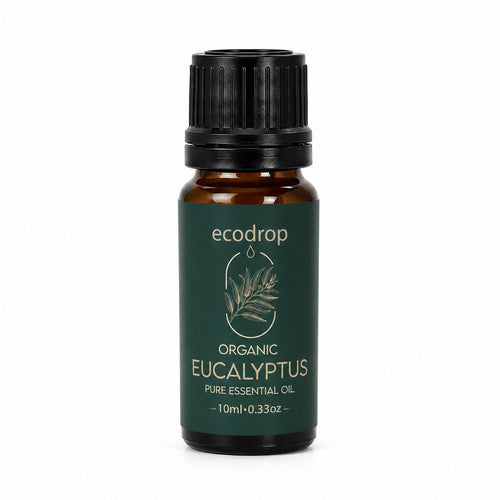
| Eucalyptus | Cool and camphor-like | A strong scent insects tend to avoid |
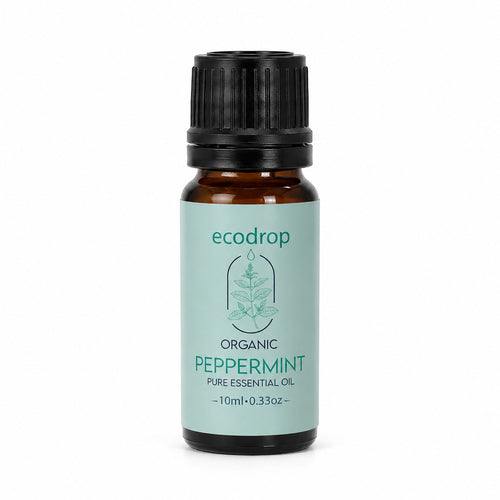
| Peppermint | Cool and minty | Adds a fresh, sharp edge |
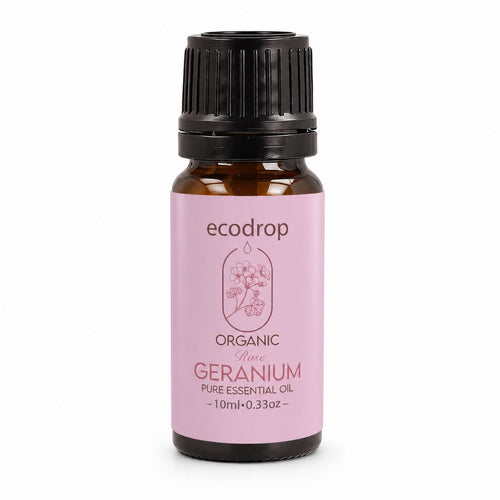
| Rose geranium | Rosy and green | Rich in citronellol and geraniol |
| Lavender | Soft and floral | Rounds out the blend and is gentle on skin |
For more ideas, read our guide to the top 3 essential oils to repel bugs.
Why a balm rather than a spray?
- The oily texture of a balm gives full, even coverage and stays on the skin much longer than a spray.
- It is firm but glides on easily, so you only need a small amount. It stays solid even in hot tropical climates, so it is easy to carry in your bag.
- Sprays often leak in luggage, however carefully they are packed. A balm is far more travel-friendly.
- It helps repel many types of insect, so it is ideal for camping and family trips.
DIY natural mosquito repellent balm recipe
1. Natural Mosquito Repellent Balm
Best for: travel, camping and summer evenings outdoors
- 1/4 cup Beeswax pastilles
- 1/4 cup Cocoa butter
- 1/4 cup Coconut oil
- 2.5 tbsp Castor oil
- 15 drops Lemongrass oil
- 15 drops Citronella oil
- 10 drops Eucalyptus oil
- 10 drops Lemon eucalyptus oil
- 5 drops Peppermint oil
- 5 drops Rose geranium oil
- 5 drops Lavender oil
A firm, long-lasting balm that you smooth onto exposed skin. The essential oils add up to around 1.5 percent of the balm, a sensible strength for adult skin.
How to make it
- Place all the ingredients except the essential oils in a heat-safe bowl. Set the bowl over a saucepan of simmering water and let the butter and beeswax melt to a liquid.
- Once everything has melted, take it off the heat and let it cool slightly before adding the essential oils.
- Add the essential oils, mix well, and pour into glass jars, metal tins or cosmetic-grade plastic containers. You will need two 120ml (4oz) jars.
- After about 30 minutes the balm should be fully set and ready for a lid and a label. Write the name, ingredients and date made on the label.
Pro tip
No citronella to hand? Rose geranium and lemongrass both carry the same fresh, lemony notes, so you can add a few extra drops of either to keep the blend strong.
How to use and store the balm
The finished balm is quite firm, which makes it a great repellent to carry with you. A little goes a long way and gives full coverage that stays on the skin for a long time.
- Apply a thin layer to exposed skin, such as arms, legs, ankles and the back of the neck.
- Reapply every couple of hours, and after swimming or heavy sweating.
- Take extra care around dawn and dusk, when mosquitoes are most active.
- Store it in a cool, dark place, out of direct heat, with the lid on.
If you do get bitten, our guide to natural bite and sting remedies has soothing ideas.
Is a natural mosquito repellent safe?
Safety first
Essential oils are concentrated, so always patch test on a small area 24 hours before first use, and stop if any irritation occurs. This balm is for external use only. Never eat it, and keep it away from your eyes.
- Lemon eucalyptus should not be used on children under 3, and peppermint and eucalyptus should be kept away from the face of young children. For under 6s, ask a pharmacist for a suitable repellent.
- For older children, use a small amount and keep it away from the face and hands.
- If you are pregnant or breastfeeding, ask your GP or midwife before use.
- Do not use it on broken or sunburnt skin.
- In countries where mosquitoes carry malaria, dengue or other diseases, follow NHS travel advice and use the repellent your travel clinic recommends.
FAQs
What is the best natural mosquito repellent for skin?
A balm or oil made with citronella, lemongrass, lemon eucalyptus and eucalyptus is one of the best natural options. A balm base stays on the skin longer than a spray, so you need to reapply less often.
How long does the mosquito repellent balm last on the skin?
Because of its oily, water-resistant base, the balm tends to stay on the skin longer than a spray. Reapply every couple of hours, and after swimming or heavy sweating.
How long will the balm keep?
Stored in a cool, dark place in a sealed container, the balm usually keeps for around 6 to 12 months. Label it with the date made, and throw it away if the scent or texture changes.
Can I use this balm on children?
Use it with caution, as essential oils are potent. It is not suitable for babies and children under 6. For older children, patch test first and keep it away from the face and hands.
What can I use instead of beeswax?
A plant-based wax such as candelilla wax can replace beeswax for a vegan version. You may need a little less, as candelilla sets harder than beeswax.
Will this balm repel insects other than mosquitoes?
Yes. The blend can help deter a range of biting insects, so it is a useful all-round option for camping and travel, not just for mosquitoes in tropical climates.
Does castor oil repel mosquitoes?
In this recipe, castor oil is used for its thick, rich texture, which helps the balm glide on and stay on the skin. The essential oils do the repelling.
The bottom line
A homemade balm with citronella, lemongrass, lemon eucalyptus and eucalyptus is an easy, natural mosquito repellent that stays on the skin and travels well. Make a batch before your next trip, and keep it in your bag for summer evenings. Find the oils for this recipe in our essential oils collection, and for the garden, try our essential oils for gardening guide.