



Boost Circulation with Essential Oils
Which essential oils are good for circulation? Rosemary, black pepper, geranium and ginger, with a warming massage oil and bath soak recipe.
In this guide
What essential oil is good for circulation? Warming, invigorating oils such as rosemary, black pepper, ginger, cypress and geranium are the classic choices. They are traditionally used in massage, baths and warm compresses to wake up cold hands and feet and help you feel warm, energised and looked after through the colder months.
Key takeaways
- The best essential oils for circulation are rosemary, black pepper, ginger, cypress and geranium.
- Massage is the most popular way to use them. Long strokes towards the heart feel warming and invigorating.
- A good massage blend uses about 6 drops of essential oil in 30ml of carrier oil.
- Warm baths and compresses are a cosy way to treat cold legs, hands and feet.
- Always dilute, patch test first, and avoid massaging over varicose veins.
How can essential oils help circulation?
When the weather turns cold and grey, many of us crave warmth and a little extra comfort. Our hands and feet can feel chilly and our skin can turn dry. Warming, invigorating oils and simple self-care like baths, compresses and massage are a lovely way to feel cosy and refreshed through autumn and winter.
Think of how a brisk walk or a warm bath leaves you feeling more awake and at ease. Rubbing and warming the skin gets things moving, and spicy, herbal oils add to that warm, energised feeling. Pairing these comforting routines with aromatic oils makes them feel even more restorative.
A balanced diet, an active lifestyle and regular movement are still the foundation of good circulation. Essential oils work best as a pleasant extra on top of those habits. When you enjoy the routine, it becomes easy to keep going.
What essential oil is good for circulation?
These are the warming, invigorating oils most often used in blends for blood circulation and blood flow. Each one brings something a little different.
| Oil | Scent and feel | Best in |
|---|---|---|
| Rosemary (Rosmarinus officinalis) | Sharp, herbal and energising, like a wake-up call for the senses | Massage, bath, morning routine |
| Black pepper (Piper nigrum) | Warm, spicy and penetrating, invigorating for mind and body | Warming massage blends |
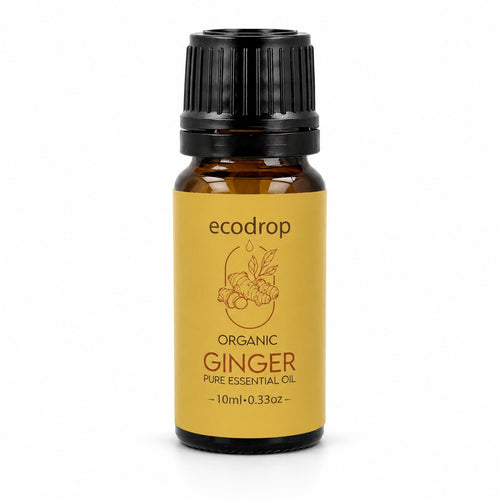
| Ginger (Zingiber officinale) | Warm, spicy and comforting on cold, damp days | Massage, bath, compress |
| Cypress | Fresh, green and woody, a favourite for tired, heavy legs | Leg and foot massage |
| Geranium (Pelargonium graveolens) | Soft, sweet and floral, a calming balance in a warming blend | Massage, bath |
| Lemon | Bright, fresh citrus that lifts the mood | Bath soak |
If you only buy one, rosemary is the most versatile. You can find all of these in our essential oils collection.
Rosemary
Rosemary essential oil is sharp, invigorating and energising. One whiff of its bright, herbal scent feels like a wake-up call, which is why it is so popular in a morning routine and in stimulating soaks.
Black pepper
Warm, spicy and energising, black pepper essential oil has a penetrating aroma that feels invigorating for the mind and body. It is a comforting choice for a warming massage blend.
Ginger
Ginger essential oil has a warm, spicy and energising aroma. It feels especially comforting on cold, damp days and is lovely in a warm bath or compress.
Geranium
With a floral, refreshing scent, geranium essential oil is soft, sweet and calming. It is a lovely balancing note in a warming blend.

Recipes for better circulation at home
Baths, compresses and massage are some of our favourite comforting routines. Warming, aromatic oils add cosiness and a sense of energy to each one. Here are two easy recipes.
1. Warming Massage Oil Blend
Best for: cold legs, hands and feet and tired muscles
- 2 drops Rosemary oil
- 1 drop Ginger oil
- 1 drop Black pepper oil
- 2 drops Cypress oil
- 30ml Carrier oil of your choice (jojoba, sweet almond or olive oil)
Blend everything in a 30ml bottle and store it somewhere cool and dry. Warm a little in your hands and massage gently into tired areas, using long, soothing strokes towards the heart.
2. Warming Bath Soak Recipe
Best for: a stimulating soak after a long, cold day
- 1 cup Epsom salt
- 3 drops Rosemary oil
- 3 drops Lemon oil
- 3 drops Ginger oil
- A handful Fresh rosemary sprigs
Stir the oils through the Epsom salt first, then dissolve it into a warm bath and add the rosemary sprigs. Warm water helps you relax, and the oils make it feel even more indulgent.
Pro tip
Love a bath with rosemary? Try our stimulating lemon and rosemary bath recipe for another energising soak.
How to massage for blood circulation in legs and feet
Massaging your body with nourishing oils is a wonderful way to ease everyday muscle tension, relax the mind and enjoy a soothing moment. It is also the simplest way to warm up cold legs, hands and feet.
- Warm a coin-sized amount of the massage blend between your palms.
- Start at the feet or hands and work upwards with long, gentle strokes.
- Always stroke towards the heart, from ankle to knee and knee to hip.
- Use small circles around the soles of the feet and the palms of the hands.
- Keep the pressure light and comfortable, and never press on varicose veins.
Five to ten minutes in the evening is plenty. Pop on warm socks afterwards to keep the cosy feeling going.
What is the best carrier oil for blood circulation?
The carrier oil carries the essential oils safely onto your skin. Jojoba, sweet almond and olive oil all work well in the massage blend.
Sweet almond oil glides easily, so it is a good pick for longer massages. Jojoba sinks in more and feels less greasy, which suits hands and feet. Olive oil is rich and handy if you already have it in the kitchen. For more help choosing, read how to choose your carrier oil.
How to make a warm compress with essential oils
A warm compress is a simple way to bring comforting warmth to one area. Add up to 5 drops of essential oil to a bowl of warm, not hot, water. Soak a towel, squeeze out the excess, then rest it on the area for as long as feels comfortable.
Take care with the temperature so you do not burn your skin. Ginger and rosemary are both lovely choices for a warming compress.
Is it safe to use essential oils for circulation?
Safety first
Always dilute essential oils in a carrier oil before they touch your skin, and do a patch test first. About 6 drops in 30ml of carrier oil is a gentle 1 percent.
- Use oils with care if you have very sensitive or irritated skin.
- Avoid massaging directly over varicose veins, swollen areas or broken skin.
- Keep oils away from the eyes and out of reach of children.
- Rosemary and ginger are best avoided, or used only on advice, during pregnancy and breastfeeding.
- Speak to a doctor first if you are diabetic, have high or low blood pressure, or have any health condition.
- Lemon can make skin sensitive to sunlight. Avoid the sun on skin where you have used it.
If you have numbness, tingling or swelling that does not go away, see your GP. These can be signs of a problem that needs checking.
FAQs
What essential oil is good for circulation?
Rosemary, black pepper, ginger, cypress and geranium are the most popular essential oils for circulation. They have warming, invigorating aromas and are traditionally used in massage, baths and compresses.
Which essential oils are good for blood circulation in legs?
Cypress, rosemary and black pepper are favourites for tired, heavy legs. Try the Warming Massage Oil Blend above, using long strokes from the ankle up towards the knee.
What is the best massage oil for blood circulation?
A simple blend of rosemary, ginger, black pepper and cypress in 30ml of jojoba or sweet almond oil works well. Massage gently towards the heart for five to ten minutes.
Are there essential oils for circulation in hands and feet?
Yes. Ginger, black pepper and rosemary feel especially warming on cold hands and feet. Massage a little diluted blend into them, or soak your feet in warm water with the bath salt mix.
How much essential oil should I use in a massage blend?
A good general guide is around 6 drops of essential oil per 30ml of carrier oil. Start with less if your skin is sensitive, and always patch test first.
Can I add essential oils straight to my bath?
It is best to stir the oils into Epsom salt or a carrier oil first. Neat oils do not mix with water and can irritate the skin. Then dissolve the mixture into the bath.
Which essential oils feel warming?
Spicy, herbal oils such as ginger, black pepper and rosemary have warming, invigorating aromas. They feel especially welcome in the colder months.
Are these recipes suitable during pregnancy?
Some oils, including rosemary and ginger, are best avoided or used only on advice during pregnancy. Always speak to a qualified practitioner before using essential oils if you are pregnant or breastfeeding.
The bottom line
Rosemary, black pepper, ginger, cypress and geranium are the go-to essential oils for circulation, and they turn a simple massage or bath into a warming treat. Start with the massage blend on cold legs and feet, and keep moving every day. For more ideas, see our guides to detoxing your lymphatic system and aromatherapy for sore muscles, or browse our essential oils collection.