




Aromatherapy Explained: How Effective Are Organic Essential Oils?
How does aromatherapy work? How essential oils are used in aromatherapy, what they can help with, and how to use them safely.
In this guide
Aromatherapy uses essential oils from plants to support how you feel, through scent and through the skin. So does aromatherapy really work? Studies suggest some oils, such as lavender, can help with stress, sleep and mood, though results are mixed and it works best alongside, not instead of, medical care.
Key takeaways
- Aromatherapy uses essential oils in a diffuser, a bath, or on the skin mixed with a base oil.
- Research is mixed, but lavender has been shown to help people feel calmer and sleep better.
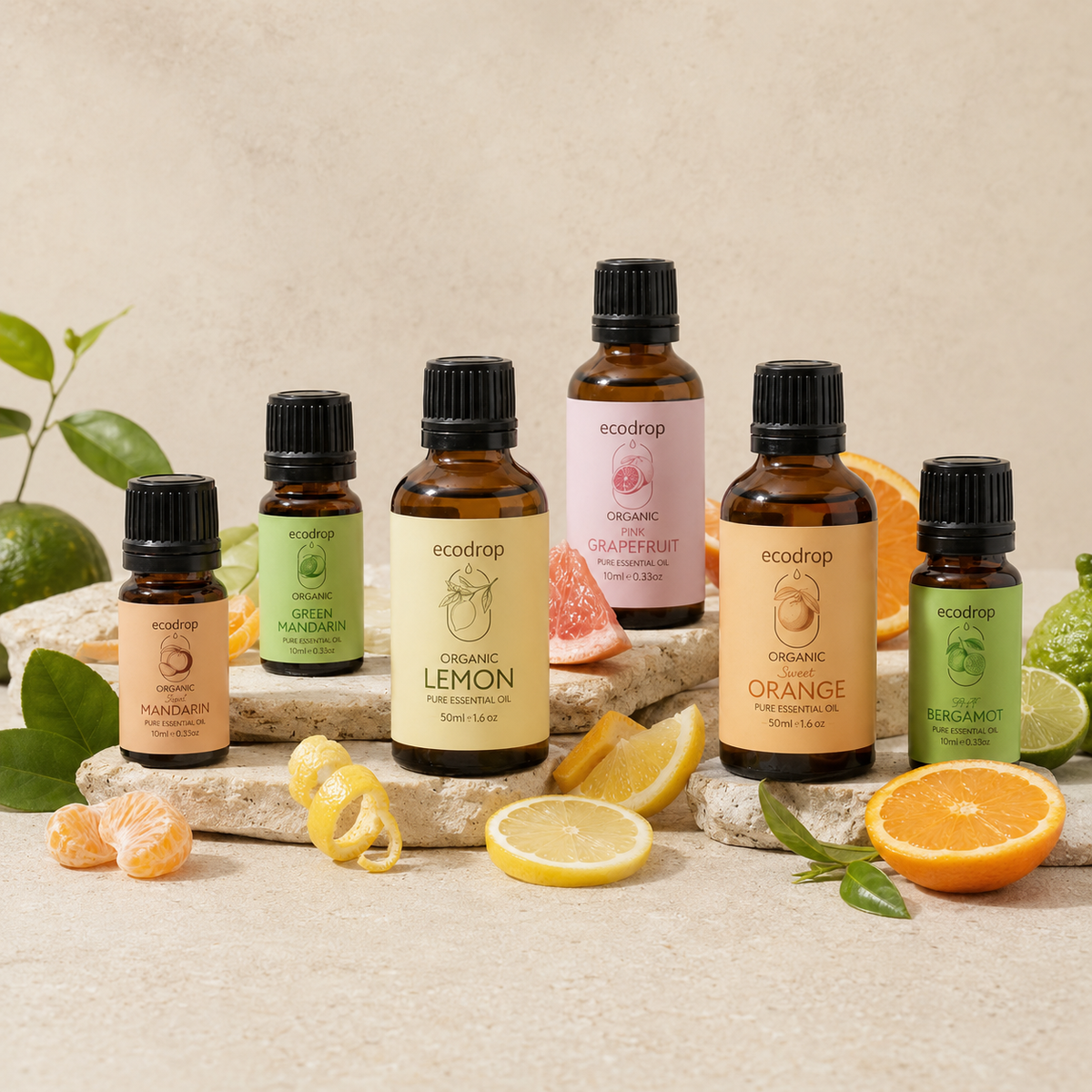
- Calming oils: lavender, ylang ylang, chamomile. Energising oils: peppermint, rosemary, lemon, sweet orange.
- Choose pure, organic essential oils, not "fragrance oils", sold in dark glass bottles.
- Always dilute before skin use, and take care with children, pets, pregnancy and sunlight.
What is aromatherapy?
Aromatherapy is a type of natural therapy that uses essential oils. These are strong plant extracts made from flowers, leaves, bark and other parts of plants.
The oils can be breathed in, rubbed on the skin when mixed with a base oil, or added to a bath or diffuser. Many people use aromatherapy as a natural way to improve their health and mood.
Want the history? Read the ancient power of aromatherapy.
How do aromatherapy oils work?
People believe that the smells from these oils can affect how we feel. Scent can help us relax, reduce pain, or even help with sleep and focus.
Essential oils in aromatherapy reach you in two main ways. You breathe in the scent from a diffuser, a steam or a tissue, or you absorb the oil through your skin when it is diluted in a massage, bath or skincare product.
| Method | How to do it | Good for |
|---|---|---|
| Diffuser | A few drops in water, 30 to 60 minutes | Mood, sleep, focus |
| Massage | Diluted in a base oil such as almond or jojoba | Sore muscles, relaxation |
| Bath | Mixed with a base oil before adding to the water | Unwinding in the evening |
| Pillow spray | Light mist on bedding before sleep | Better sleep |
Does aromatherapy really work?
The results from studies are mixed. Some research shows that aromatherapy oils can help with stress, anxiety, pain or sleep, while other studies say the benefits are small or unclear.
For example, lavender oil has been shown to help people feel calmer or sleep better. Citrus oils like orange or bergamot may lift your mood. Not every study agrees, and more research is still needed.
Even so, many people say they feel better when using organic aromatherapy oils, especially as part of a daily self-care routine. They should not replace medical treatment, but they may be helpful when used in a safe and sensible way.
Pro tip
Pair your oils with a habit. Using the same calming oil every evening, or while practising slow breathing or mindfulness, can make the effects feel even stronger.
Which essential oils are best for aromatherapy?
The best aromatherapy oils for you depend on what you want: to relax, feel more awake, ease pain or calm your nerves. Here is a quick guide.
| Goal | Popular oils | When to use |
|---|---|---|
| Calm and sleep | Lavender, ylang ylang, chamomile | Evening and bedtime |
| Energy and focus | Peppermint, rosemary, lemon, sweet orange | Morning or during work |
| Anxiety and worry | Lavender, bergamot, chamomile, frankincense | Any time you feel tense |
| Muscle pain | Peppermint, wintergreen, eucalyptus, rosemary | After exercise or a long day |
Calming and relaxing aromatherapy oils
If you are feeling stressed or having trouble sleeping, calming oils like lavender, ylang ylang and chamomile are very popular.
Lavender is one of the most well-studied oils and is often used in bedrooms, pillow sprays and massage oils. Ylang ylang and chamomile are also great for helping your mind and body unwind.
Relaxing aromatherapy oils are often used in the evening. Put a few drops in a diffuser, or mix with a base oil and apply during a gentle massage. Try our lavender diffuser blends to de-stress.
Energising aromatherapy oils
For a natural way to feel more alert and focused, energising oils such as peppermint, rosemary, lemon or sweet orange are ideal.
Peppermint oil may help with tiredness and headaches, while citrus oils like lemon and orange are known to boost energy and mood. These are often used in the morning, during work, or when you need a lift.
Essential oils for anxiety
Aromatherapy is often used to help with nervousness or worry. Essential oils for anxiety include lavender, bergamot, chamomile and frankincense.
Studies have shown that breathing in these oils can lower stress levels and help people feel calmer. Aromatherapy oils for anxiety are usually used in diffusers, or applied to the skin when safely diluted.
Aromatherapy oil for muscle pain
Some oils are useful for easing sore muscles and body aches. Aromatherapy oil for muscle pain includes peppermint, wintergreen, eucalyptus and rosemary.
These oils are mixed with a base oil, like almond or coconut, and rubbed into sore areas. They may help reduce swelling and improve blood flow. Lavender is sometimes used too, especially after a workout.
How to choose organic aromatherapy oils
Not all essential oils are made the same. For the best results, choose organic aromatherapy oils made without chemicals or fake ingredients.
- Look for the plant's Latin name, the country it comes from and how it was made.
- Avoid anything labelled "fragrance oil". It is usually synthetic and will not give you the same effects.
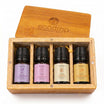
- Good aromatic essential oils come in dark glass bottles to protect the oil.
- If the price of a rare oil such as rose or sandalwood seems too low, it may be watered down or low quality.
Find out more in what to know before buying organic essential oils.
How to use aromatherapy oils safely
Safety first
Even though they are natural, essential oils are very strong. Always dilute them in a base oil such as jojoba or almond before putting them on your skin, at around 1 to 2 percent.
- Do a patch test first to check if your skin reacts.
- Do not overdo the diffuser: 30 to 60 minutes is enough.
- Be careful with children, pets, or if you are pregnant. Some oils are not safe in these cases.
- Do not apply citrus oils such as lemon or lime before going in the sun, as they can cause skin burns.
So, are essential oils worth trying?
If used correctly, essential oils can be a great part of your wellness routine. They might not cure health problems, but many people find they help them relax, sleep better, focus more easily or recover after exercise.
Whether you use calming oils in the evening, energising oils in the morning, or a muscle rub after the gym, these natural plant oils can support your daily life.
FAQs
What is the purpose of aromatherapy oils?
Aromatherapy oils support physical and emotional wellbeing through scent and skin absorption. They can help reduce stress, promote relaxation, ease muscle pain, improve sleep and boost mood or energy. Lavender helps with calm and sleep, while peppermint can refresh and energise.
Does aromatherapy actually work?
Results from studies are mixed. Some research shows benefits for stress, anxiety, pain and sleep, with lavender among the best studied. Many people find it helpful as part of a self-care routine, but it should not replace medical treatment.
Do essential oils really work?
Many people feel calmer, sleep better or feel more alert when using them. Lavender has been shown to help people feel calmer, and citrus oils may lift mood. Quality matters, so choose pure oils rather than fragrance oils.
Which essential oils are good for aromatherapy?
Lavender for relaxation and sleep, peppermint for energy and focus, eucalyptus for muscle pain and breathing, and lemon or orange to lift your mood. Chamomile and frankincense are also great for calming anxiety.
What should I look for in aromatherapy oils for massage?
Choose pure, organic essential oils and always dilute them in a base oil such as almond or jojoba. Lavender, chamomile, eucalyptus and rosemary are popular for relaxation, stress relief and muscle tension.
How do I choose a good essential oil brand?
Look for purity, clear labelling with the plant name and origin, and dark glass bottles. Ecodrop offers a wide range of high-quality, ethically sourced and often organic oils, made for safe and effective aromatherapy.
What are the disadvantages of aromatherapy?
The evidence is mixed, and oils can irritate the skin if they are not diluted. Some oils are not safe for children, pets or pregnancy, and citrus oils can cause burns in the sun. Used sensibly, the risks are low.
The bottom line
Aromatherapy is a simple, natural way to support your mood, sleep, focus and recovery. Choose high-quality organic oils, use them safely and speak to a doctor if you have any health concerns. Explore our full essential oils collection.


